Worldwide Shipping

Why Proper Piston Pin Fitment is Critical for Engine Longevity

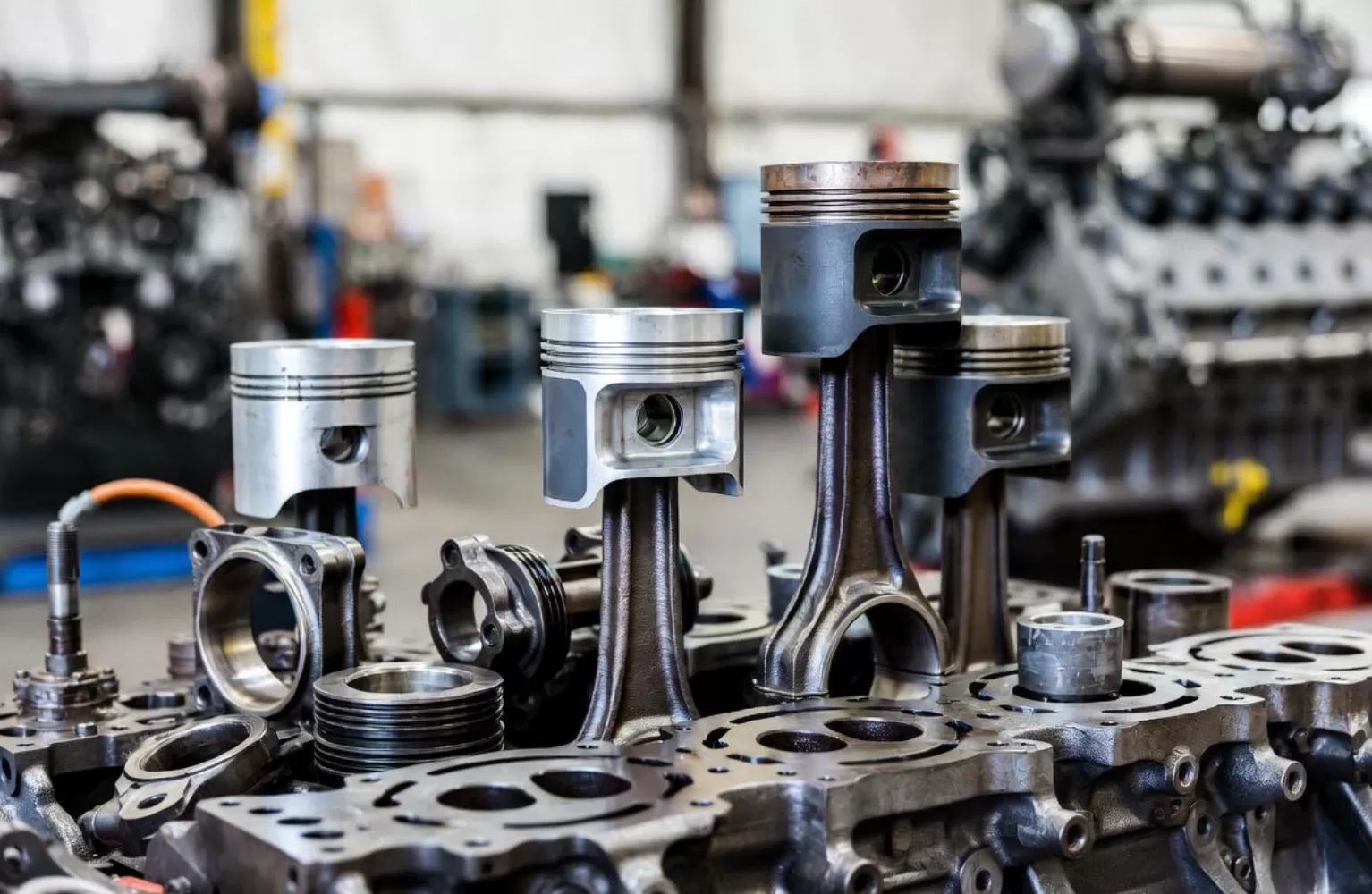
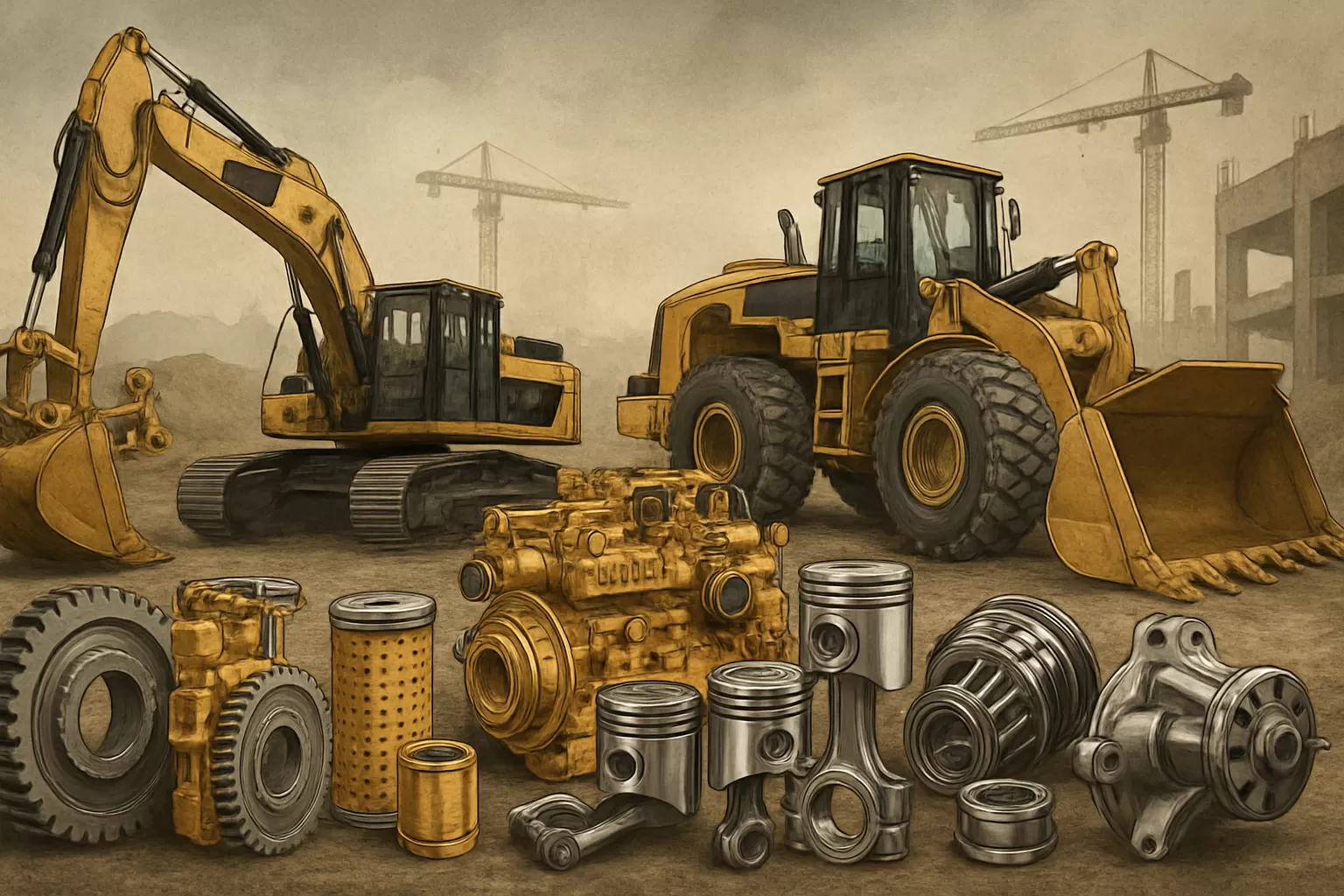
The piston pin may be one of the smallest components in the engine piston assembly, but its role is extremely important. It connects the piston to the connecting rod and ensures smooth transfer of motion inside the combustion chamber. When fitment isn't correct, performance issues, premature piston pin wear, and costly engine damage can occur.
Understanding the Role of the Piston Pin in Engine Performance
In heavy equipment engines, the piston pin is exposed to constant high pressure, heat, and repetitive motion. When properly fitted, it allows the piston to move freely while keeping the assembly aligned.
A well-installed piston pin supports:
- Smooth piston movement
- Stable engine compression
- Reduced friction between moving components
- Longer life of the engine piston assembly
Because the piston pin handles both rotational and linear forces, even small alignment errors or improper clearances can create long-term engine problems.
What Happens When Piston Pin Fitment Is Incorrect?
Improper fitment can lead to mechanical stress and part failures. Some common issues include:
Excessive Piston Pin Wear
Incorrect fitment increases contact pressure, creating friction that leads to surface scoring, flat spots, or looseness.
Noisy Operation
A loose or poorly aligned heavy equipment piston pin can create knocking or tapping sounds during operation.
Reduced Engine Efficiency
If the piston and connecting rod movement becomes unstable, combustion efficiency decreases, affecting power output.
Damaged Cylinder Walls
A misaligned pin may cause the piston to tilt, increasing liner wear and sometimes resulting in costly repairs.
Why Precision Matters During Replacement
Whenever the piston pin is replaced during maintenance or overhaul, proper measurement and alignment are essential. Each part in the engine piston assembly has a specific clearance tolerance, and even minor deviations can affect performance.
For replacement, many operators prefer genuine or high-quality aftermarket parts that meet or exceed OEM specifications. This ensures the piston pin material strength, heat resistance, and dimensional accuracy remain consistent with original equipment standards.
Tips for Reducing Piston Pin Wear
To extend engine life and avoid premature component failure, consider:
- Ensuring correct lubrication during installation
- Regular maintenance checks
- Monitoring engine noise and vibration
- Using compatible, high-quality assembly components
- Ensuring proper alignment during rebuilds or repairs
These steps help maintain performance and prevent unnecessary downtime.
Though small, the piston pin plays a major role in engine function and reliability. With proper fitment, routine inspection, and quality replacement parts, heavy equipment engines can run smoothly for longer periods and avoid costly breakdowns.

About the Author

Related Posts
Importance of Equalizer Bars for Smooth Track Frame Movement
How to Diagnose Alternator Failure in Heavy Equipment
How Turbochargers Improve Heavy Machinery Power and Fuel Economy
How to Maintain Radiator Cores for Maximum Cooling Efficiency
The Complete Excavator Undercarriage Guide for Maximum Performance