Worldwide Shipping

The Complete Excavator Undercarriage Guide for Maximum Performance

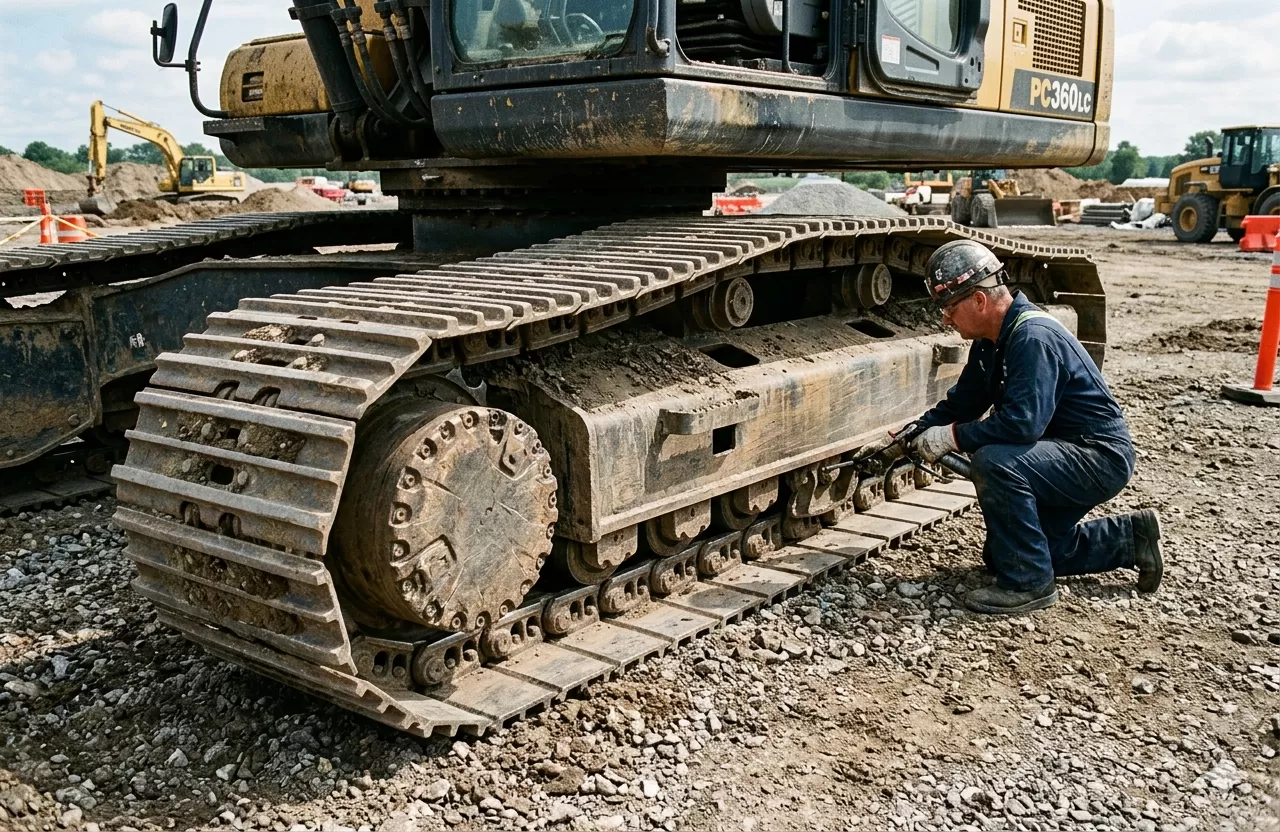
Your machine’s undercarriage is one of the hardest-working systems on any tracked equipment. Every hour of operation contributes to wear from tough terrain to constant movement and heavy loads. Without proper care, even the most durable components can wear out early, leading to costly downtime and replacement.
With the right undercarriage maintenance practices and track care habits, you can significantly extend the life of your entire system. This complete excavator undercarriage guide covers key maintenance steps, inspection tips, and wear prevention strategies to help you get maximum performance and durability from your tracked machines.
Why Undercarriage Maintenance Matters
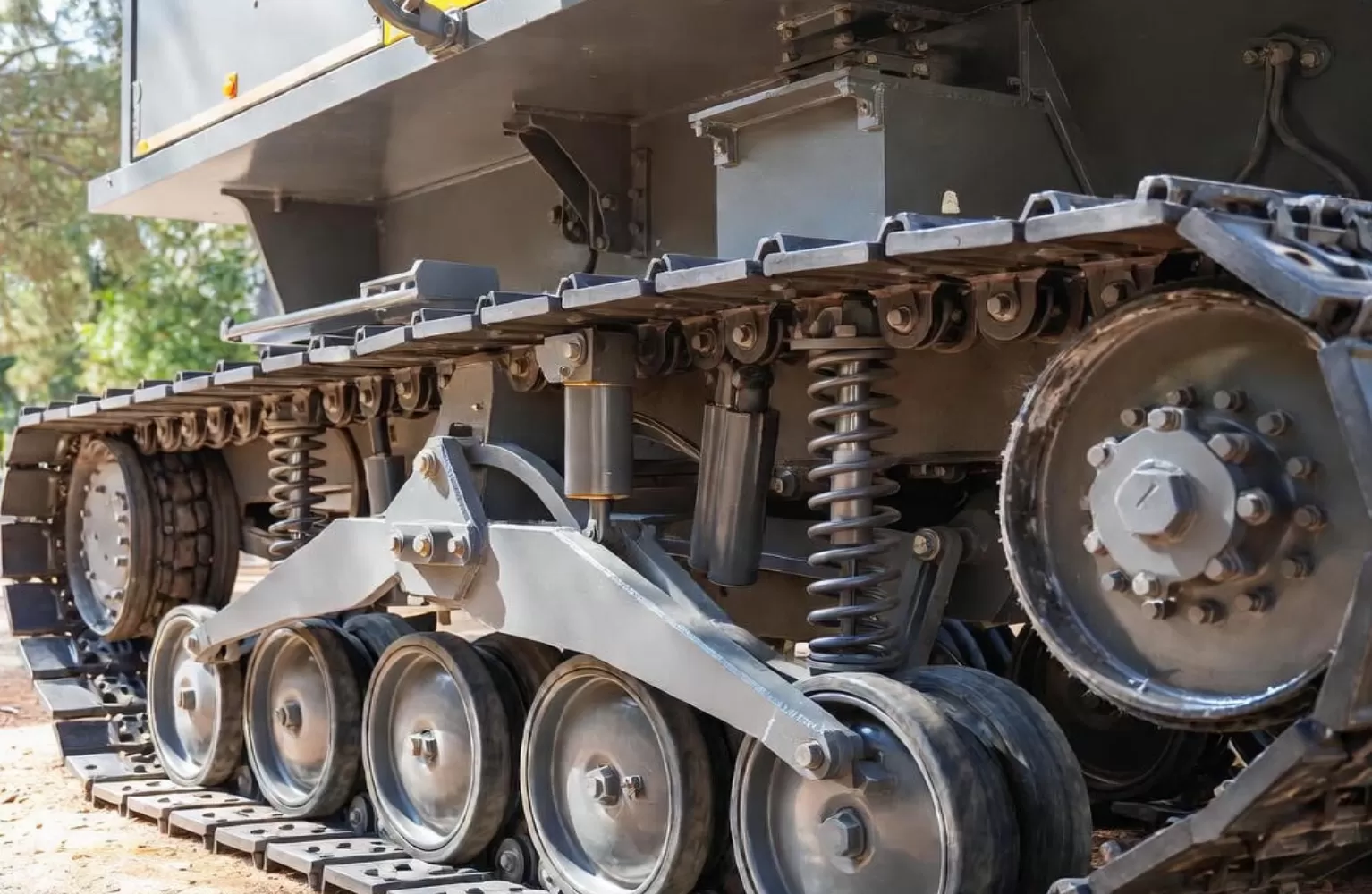
The undercarriage can account for a large percentage of total machine maintenance costs. When neglected, wear accelerates quickly affecting track chains, rollers, idlers, sprockets, and shoes. Routine care not only reduces major repair expenses but also ensures smoother operation, better traction, and improved fuel efficiency.
Essential Undercarriage Maintenance Tips
1. Inspect the Undercarriage Regularly
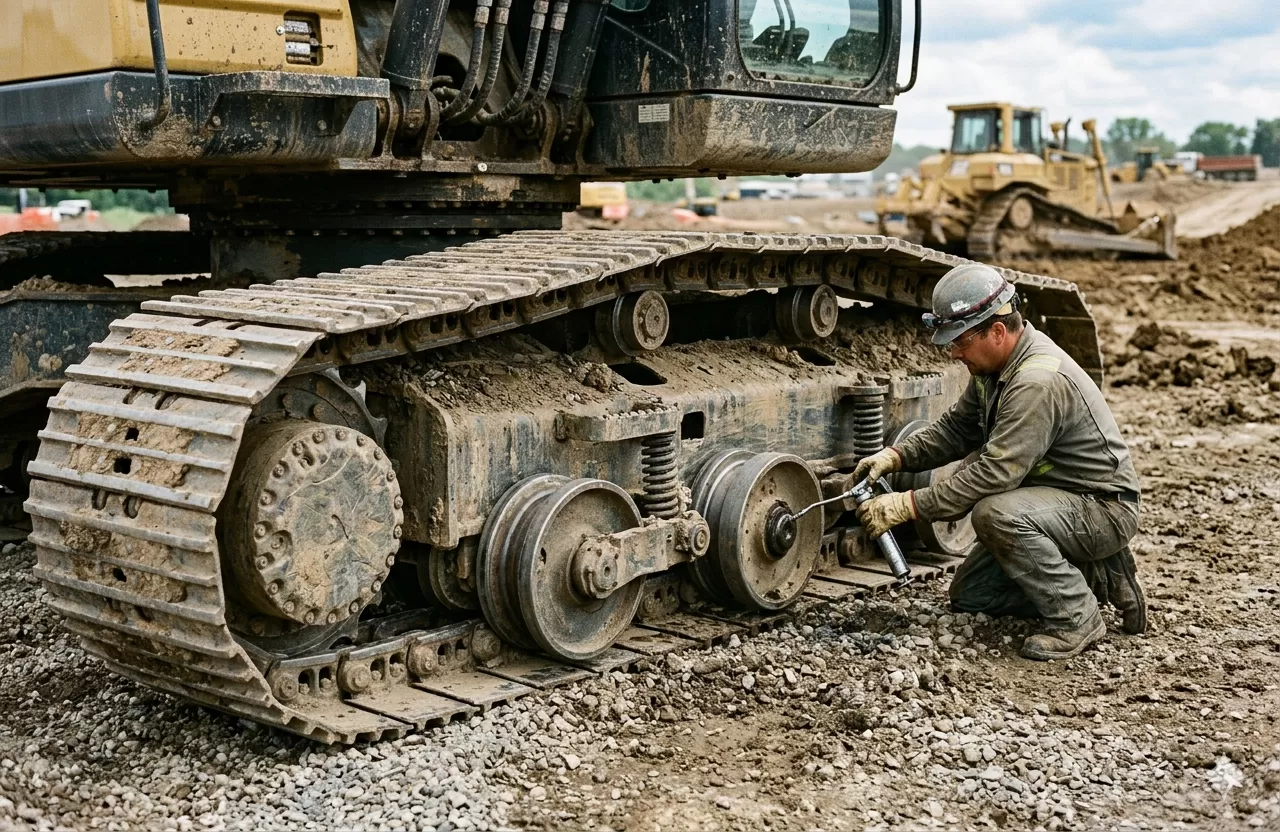
Early detection of loose bolts, worn shoes, misalignment, or damaged rollers helps prevent bigger failures. Make inspection part of your daily walkaround.
2. Keep the Undercarriage Clean
Mud, clay, stones, and debris add unnecessary weight and cause premature wear. Cleaning after each shift helps prevent accelerated deterioration.
3. Maintain Proper Track Tension
Track tension plays a major role in track system wear prevention.
- Over-tightening leads to rapid wear.
- Loose tracks cause derailment and misalignment.
Refer to your equipment guidelines for the correct tension specifications.
4. Operate With Good Technique
Sharp turns, spinning tracks, and operating on uneven surfaces increase wear. Train operators to use smooth movements, minimize counter-rotation, and avoid unnecessary track slipping.
5. Check for Uneven Wear
Inspect rollers, idlers, and sprockets for abnormal patterns. Uneven wear often signals alignment issues or improper track tension.
6. Replace Worn Components Promptly
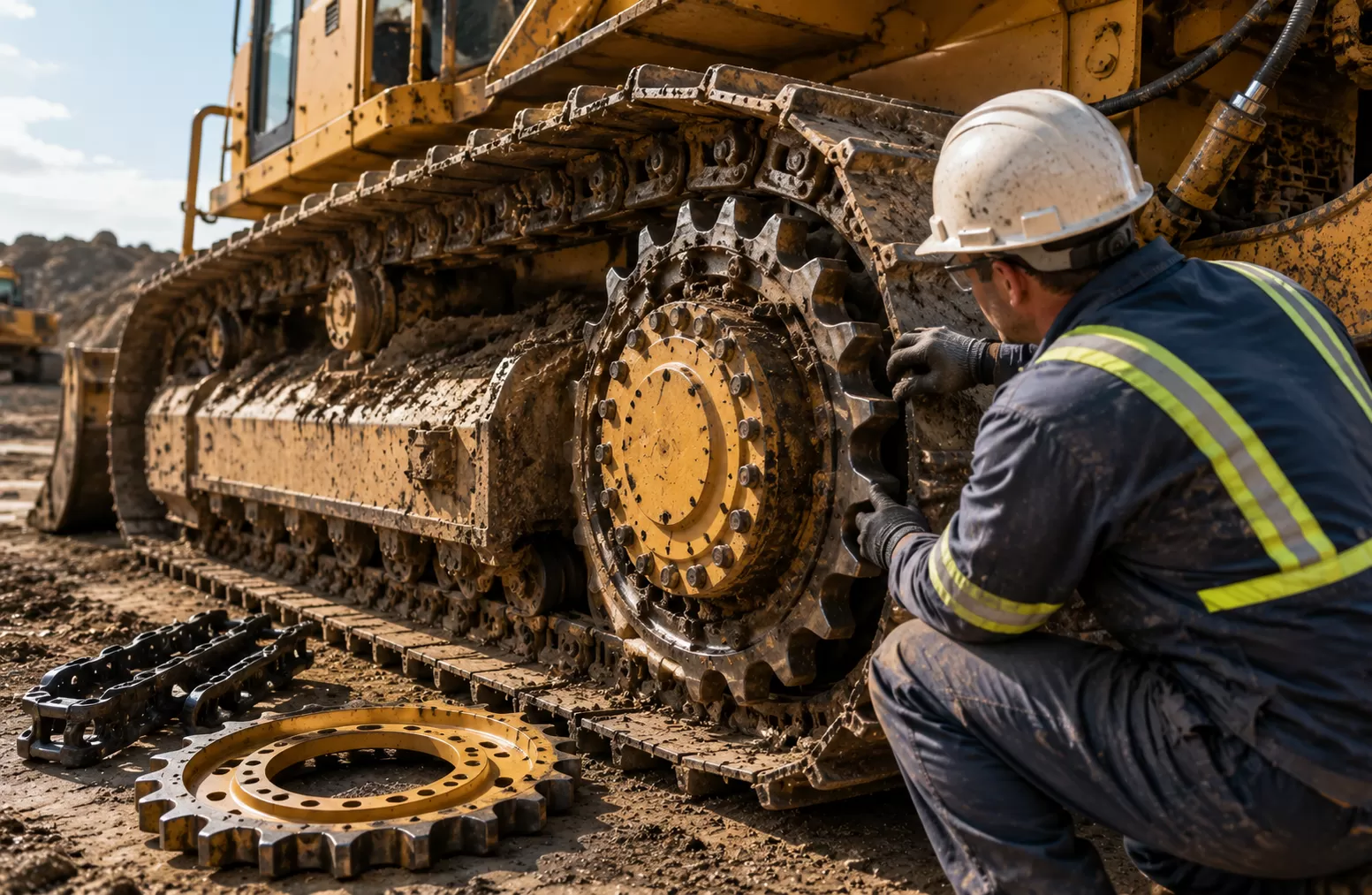
Running the machine with worn sprockets, rollers, or chains can damage related parts. When replacing components, choose genuine or high-quality aftermarket parts that meet or exceed OEM specifications to ensure long-term reliability.
Track System Wear Prevention: Best Practices
Choose the Right Shoe Width
Too-wide shoes can increase stress on components, while narrow shoes can affect stability. Match shoe width to ground conditions for optimal performance.
Avoid Excessive High-Speed Travel
High-speed movements increase friction and heat, accelerating component wear.
Monitor Operating Environment
Rocky, abrasive, or uneven terrain causes faster undercarriage wear. Adjust operating practices and cleaning frequency based on the environment.
Rotate or Replace Track Shoes as Needed
Track shoes can be rotated, flipped, or replaced depending on wear patterns—helping you maximize their lifespan.
Extending the Life of Your Excavator Undercarriage
A well-maintained undercarriage improves traction, stability, and overall machine performance. Following an inspection schedule, keeping components clean, and addressing small problems early can significantly extend service life.
When replacement becomes necessary, selecting genuine or high-quality aftermarket parts that meet or exceed OEM specifications ensures strength, compatibility, and long-term value.

About the Author

Related Posts
Why Proper Piston Pin Fitment is Critical for Engine Longevity
Importance of Equalizer Bars for Smooth Track Frame Movement
How to Diagnose Alternator Failure in Heavy Equipment
How Turbochargers Improve Heavy Machinery Power and Fuel Economy
How to Maintain Radiator Cores for Maximum Cooling Efficiency