Worldwide Shipping

How to Maintain Radiator Cores for Maximum Cooling Efficiency

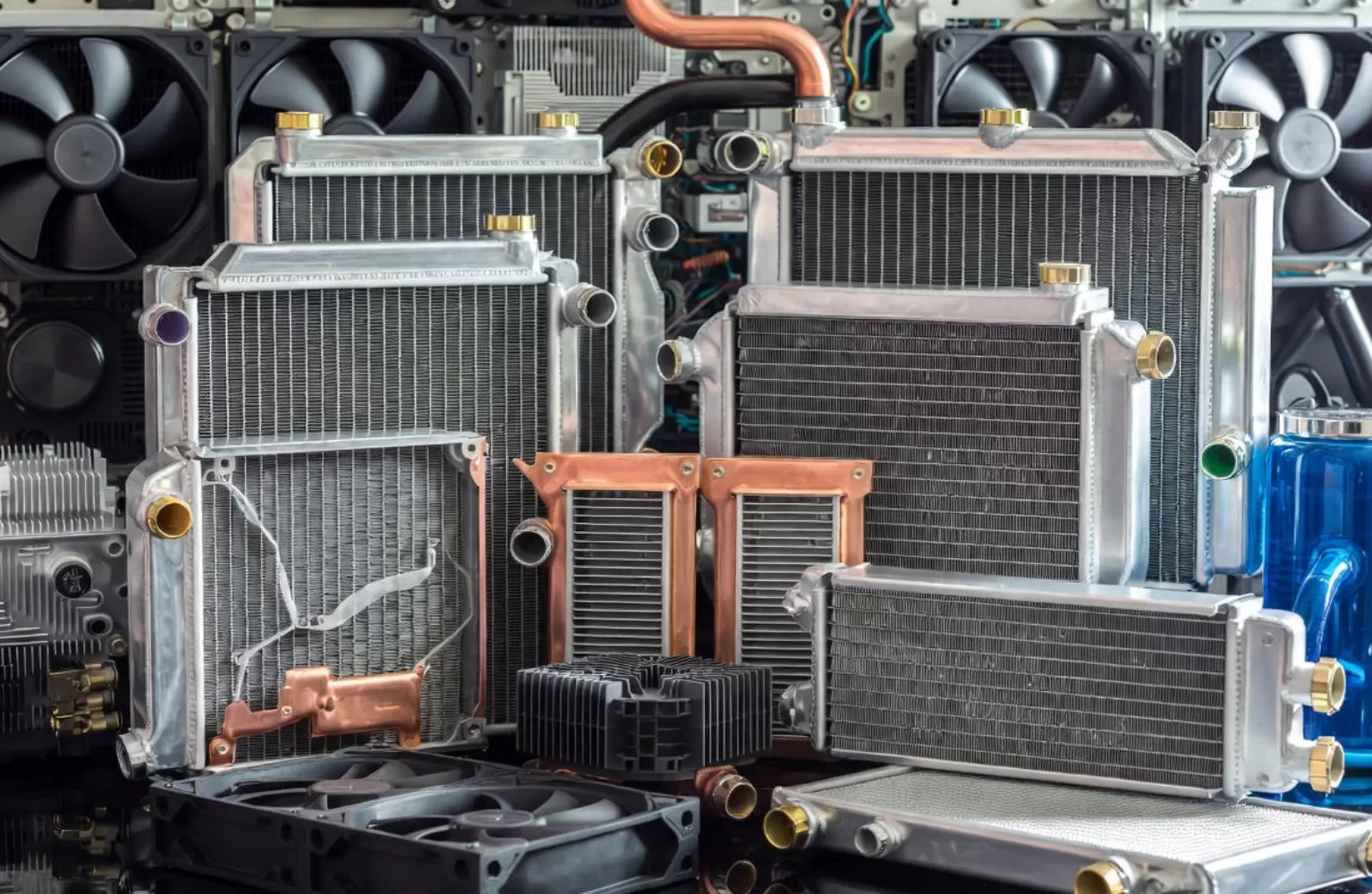
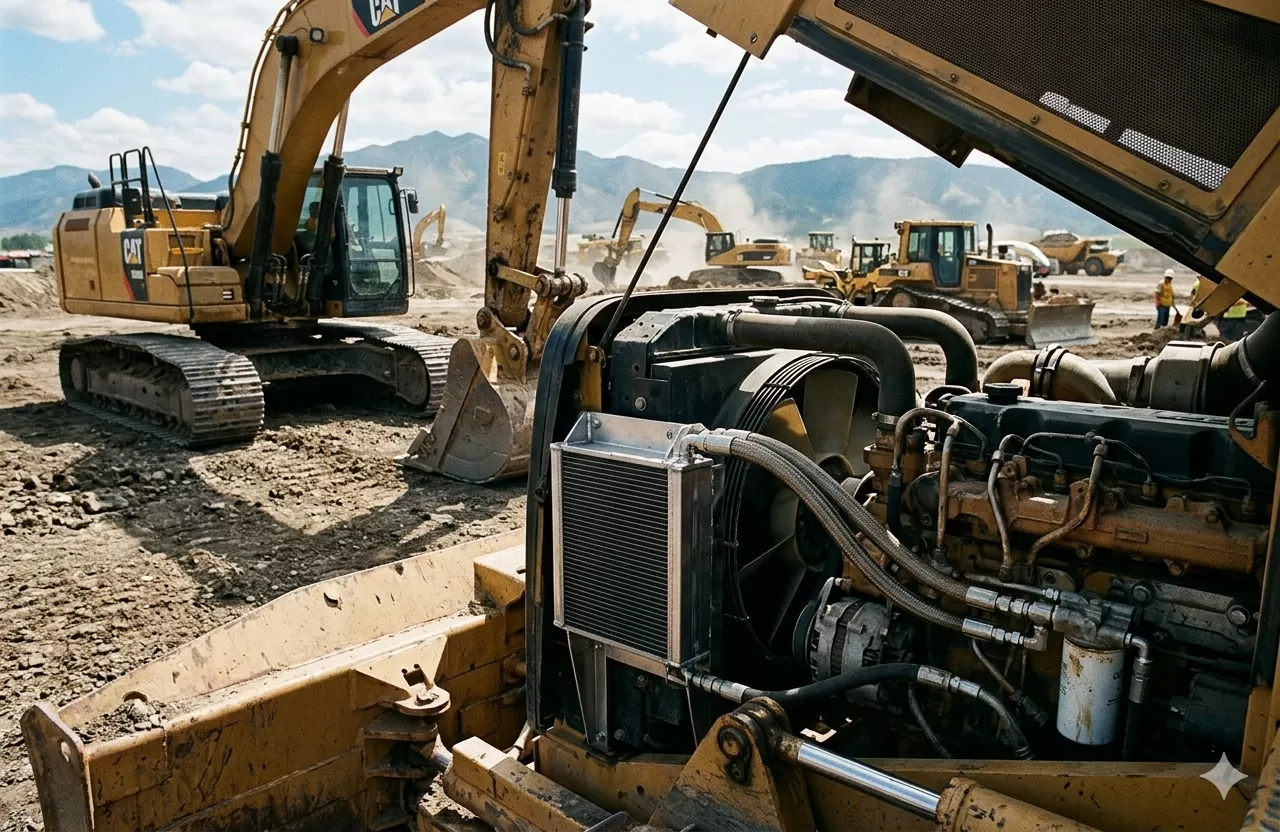
A reliable heavy equipment cooling system is essential for preventing overheating, protecting engine components, and ensuring consistent productivity. At the center of this system are radiator cores responsible for transferring heat away from the engine. Proper maintenance and regular radiator core cleaning help equipment operate efficiently, reduce downtime, and extend the lifespan of the entire cooling system.
This guide covers practical steps, maintenance tips, and replacement best practices to help keep your radiator cores performing at their best.
Why Radiator Core Maintenance Matters
Radiator cores often operate in tough environments filled with dust, debris, mud, and other contaminants. When these build up, airflow becomes restricted, causing engines to overheat. Overheating can lead to performance issues, reduced fuel efficiency, and long-term engine damage.
Routine cleaning and inspection ensure that your heavy equipment cooling system continues to function efficiently in demanding conditions.
Essential Radiator Core Cleaning Tips
1. Inspect the Radiator Regularly
Frequent visual inspections help identify dirt buildup, bent fins, or coolant leaks early before they lead to overheating.
2. Remove Debris With Low-Pressure Air or Water
Use low-pressure air or water to avoid damaging delicate fins. Blow or wash from the opposite side of airflow to push debris outward.
3. Check for Bent or Damaged Fins
Bent fins limit airflow. Use a fin comb or gentle tools to straighten minor bends.
4. Flush the Cooling System
Regular system flushes remove internal scale and sediment that restrict coolant flow. This helps maintain optimal heat dissipation.
5. Monitor Coolant Levels and Condition
Use the recommended coolant mixture and ensure levels remain within range. Poor coolant quality can reduce heat transfer efficiency.
6. Replace Worn Components Promptly
Damaged radiator cores, hoses, or seals negatively impact system performance. When replacing, choose genuine or high-quality aftermarket parts that meet or exceed OEM specifications for reliable cooling efficiency.
How to Extend the Life of Your Heavy Equipment Cooling System
- Keep fan blades clean and balanced
- Inspect belts and tensioners
- Check for coolant leaks around connections
- Ensure the fan clutch operates correctly
- Maintain proper coolant pressure levels
These simple steps help reduce stress on the radiator and extend component lifespan.

About the Author

Related Posts
Why Proper Piston Pin Fitment is Critical for Engine Longevity
Importance of Equalizer Bars for Smooth Track Frame Movement
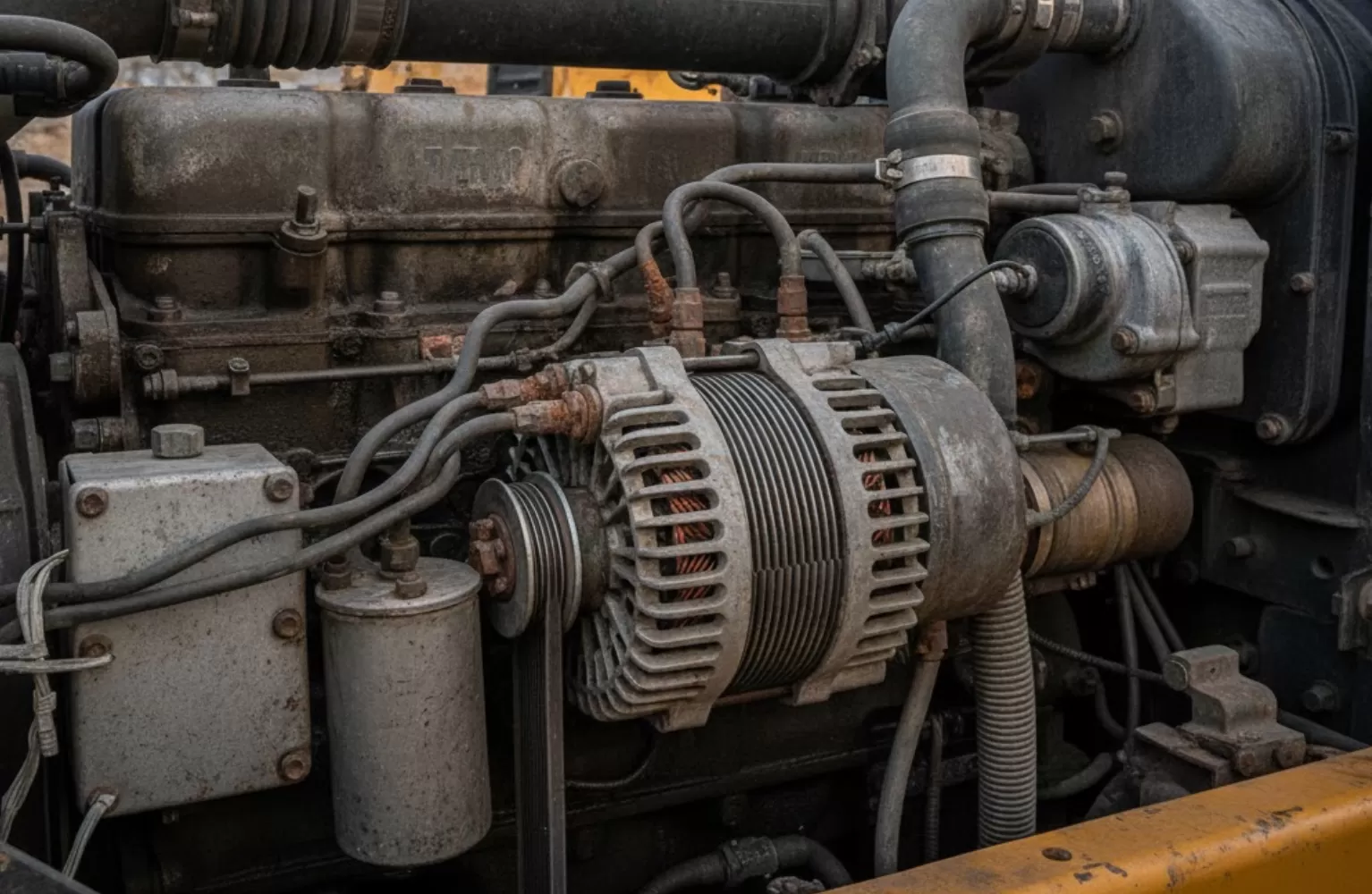
How to Diagnose Alternator Failure in Heavy Equipment
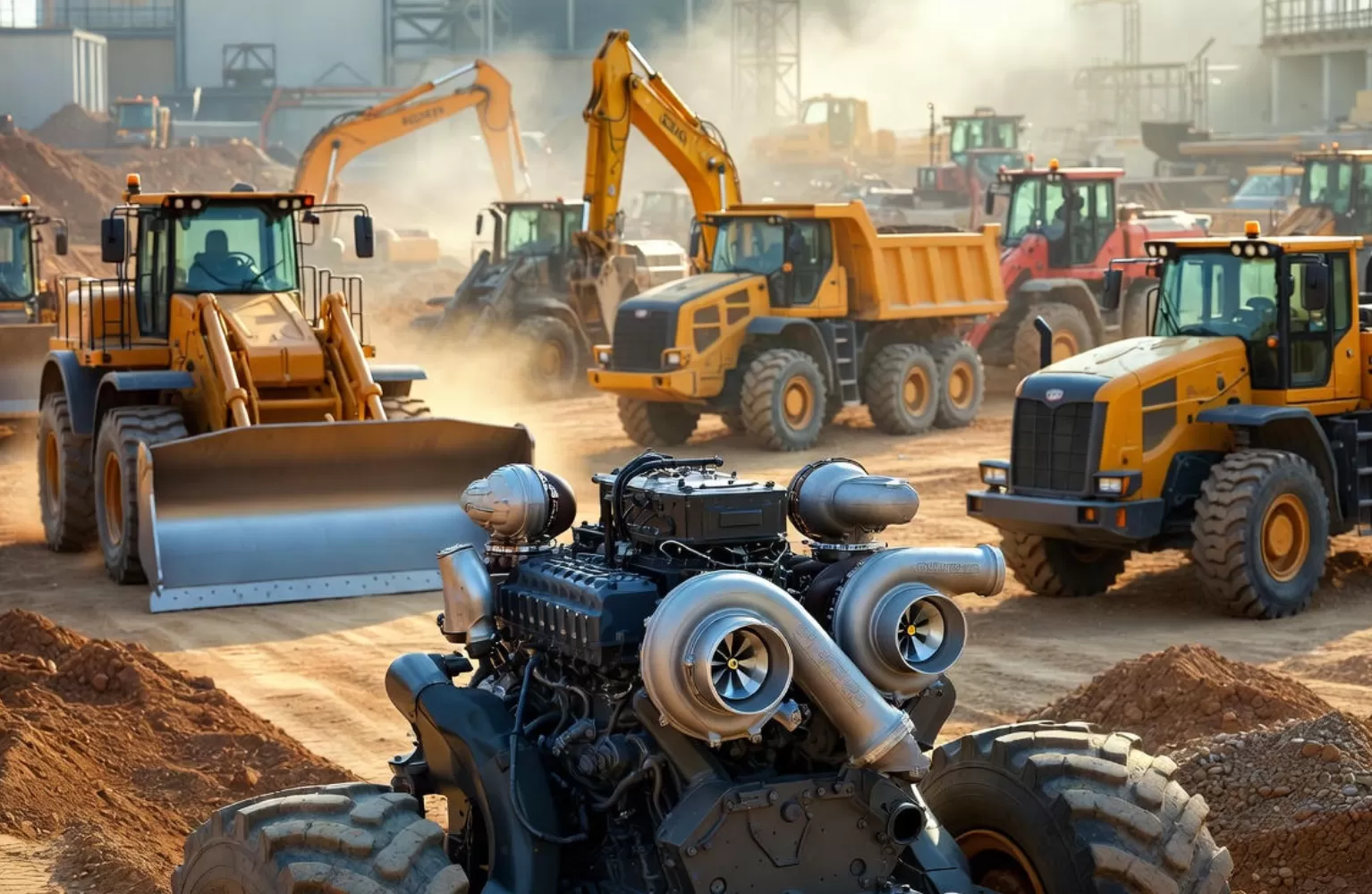
How Turbochargers Improve Heavy Machinery Power and Fuel Economy
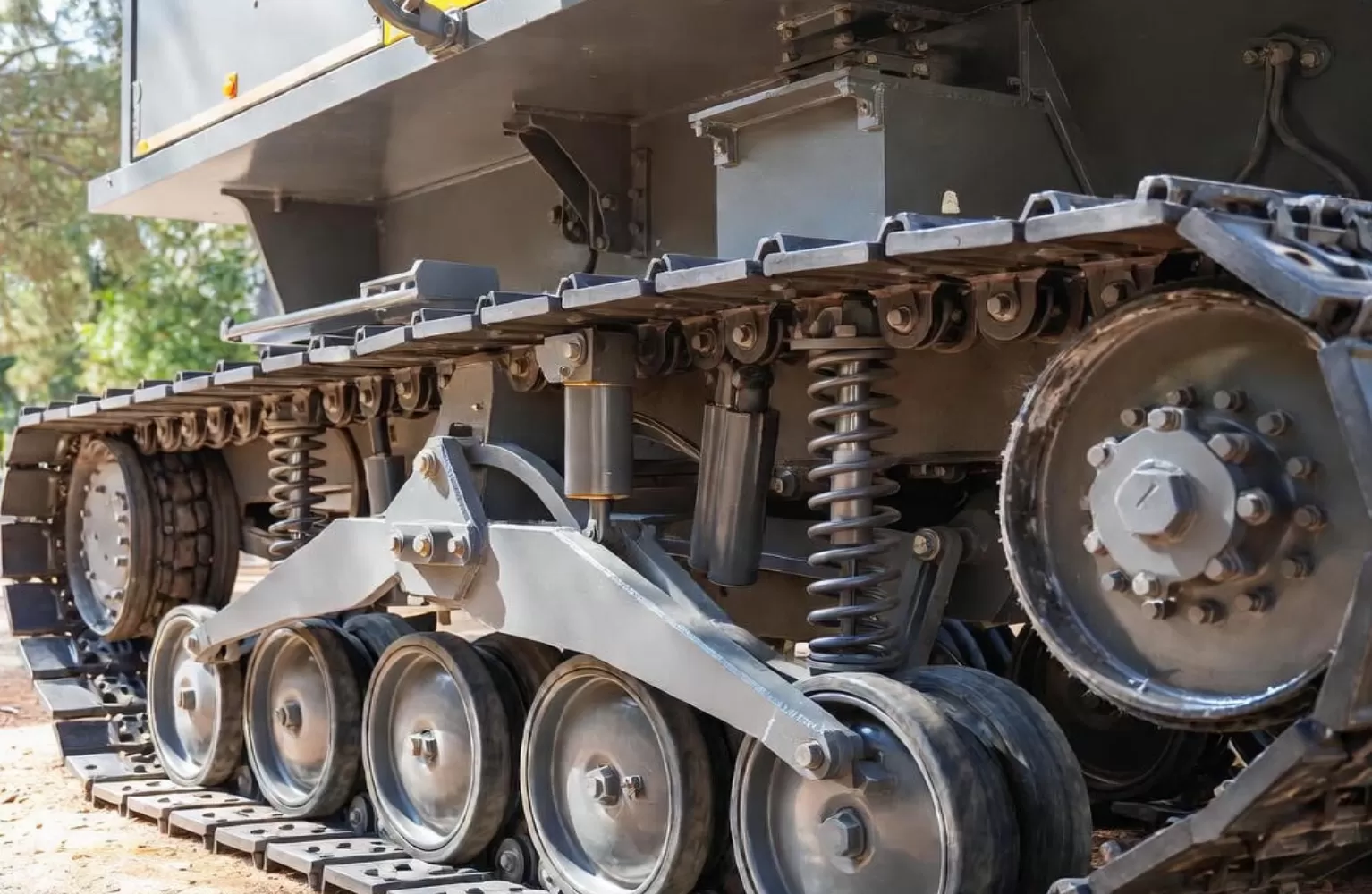
The Complete Excavator Undercarriage Guide for Maximum Performance