Worldwide Shipping

Understanding Crankshaft Seals: Protecting Heavy Equipment Engines

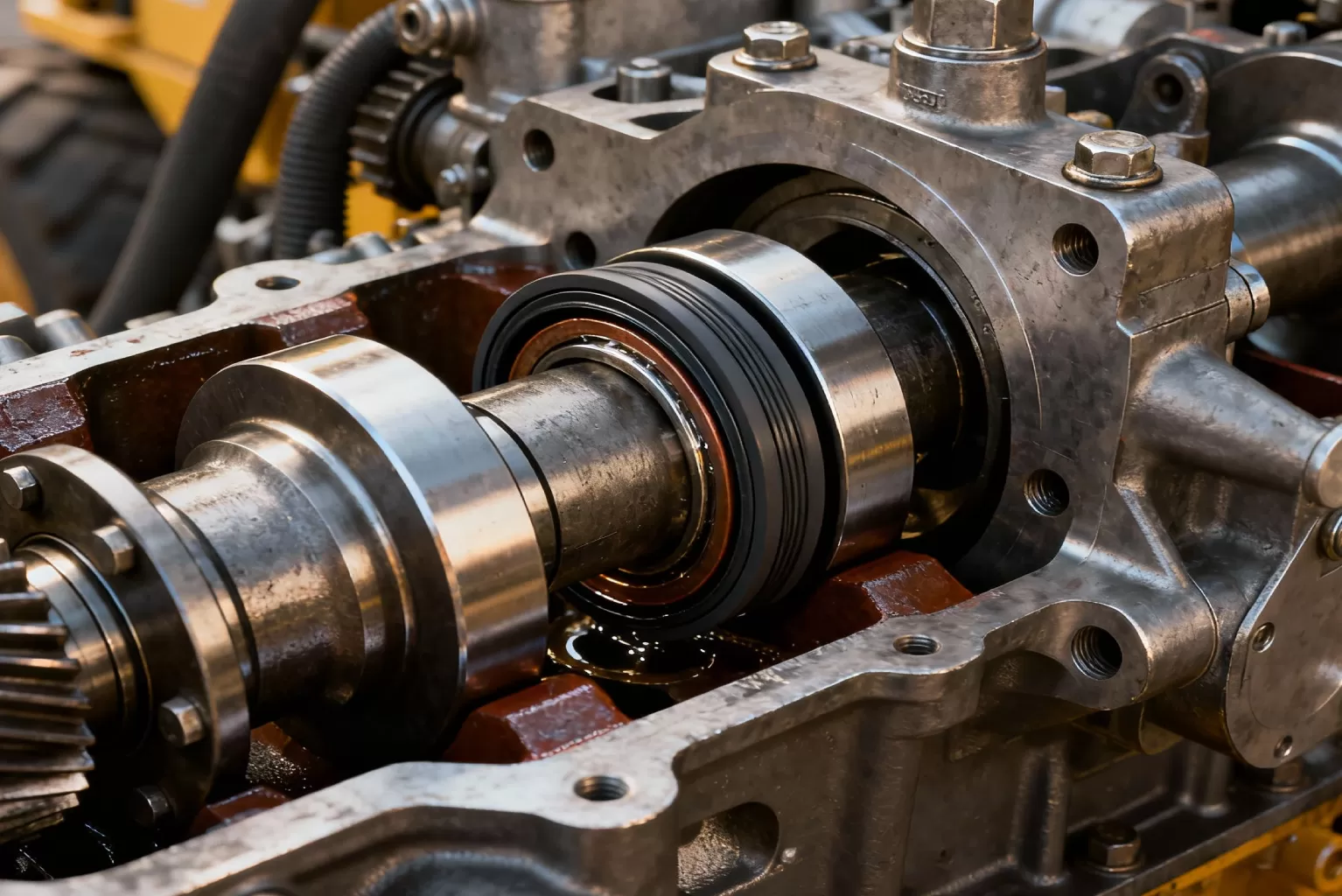
Heavy equipment works under extreme conditions, and even the smallest components play a crucial role in keeping machines running smoothly. One such part is the crankshaft seal a compact but powerful safeguard against oil leaks and engine damage.
Understanding Crankshaft Seals
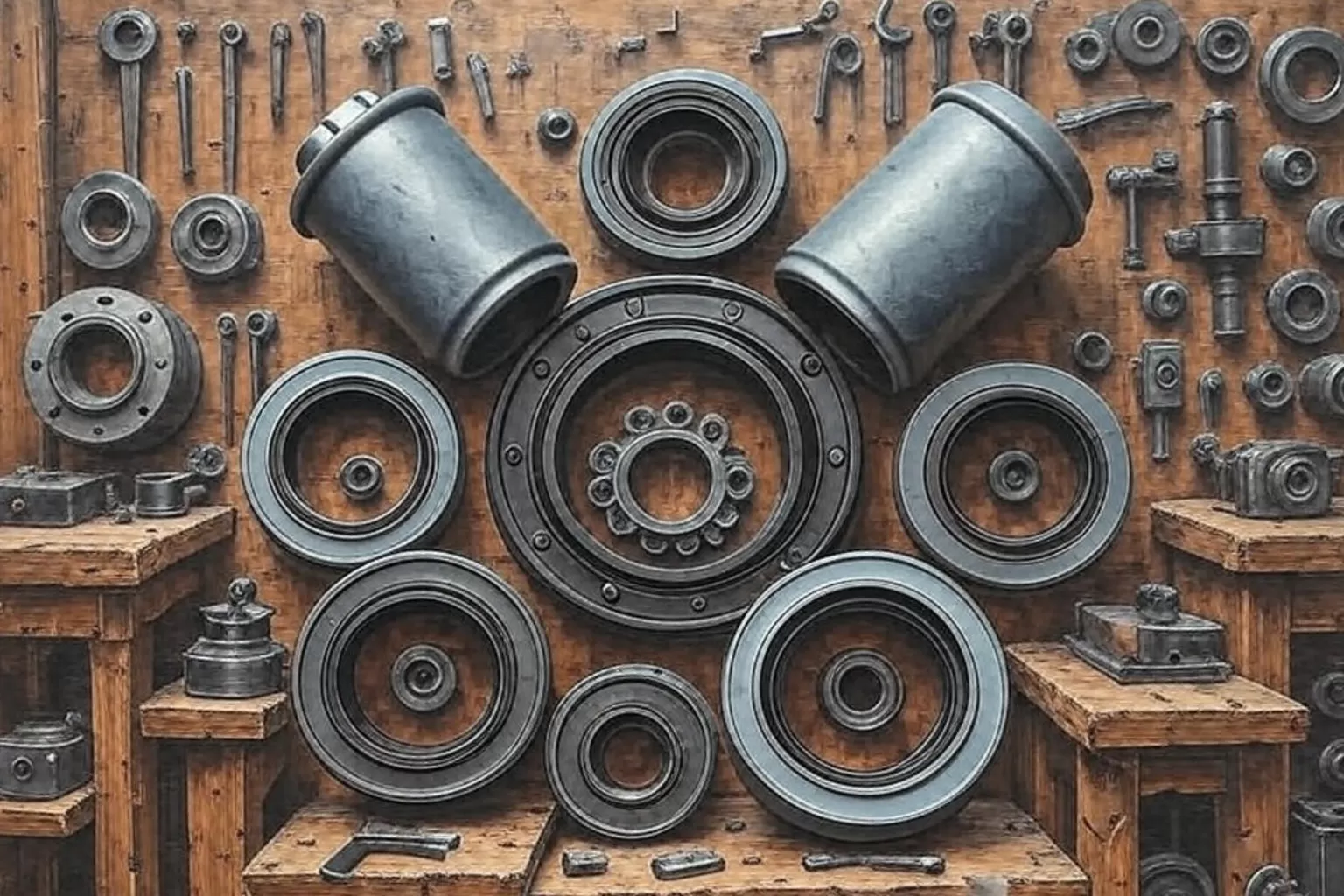
A crankshaft seal is a small but vital component located at the front and rear ends of the crankshaft, where it passes through the engine block. Its main job is to keep engine oil inside the crankcase while preventing dust, dirt, and other contaminants from entering. By creating a tight seal around the rotating crankshaft, it ensures that the engine remains properly lubricated at all times.
Types of Crankshaft Seals
There are generally two types of crankshaft seals:
- Front Crankshaft Seal (Timing Cover Seal): Found at the front of the engine near the timing cover, it prevents oil leaks where the crankshaft connects to pulleys or belts.
- Rear Crankshaft Seal (Rear Main Seal): Located at the back of the engine where the crankshaft meets the transmission. This seal is larger and more challenging to replace because it requires removing the transmission.
Why Are Crankshaft Seals Important?
Crankshaft seals may seem like minor components, but they play a vital role in the overall health of an engine. By keeping oil contained and contaminants out, they help maintain consistent lubrication, prevent damage, and ensure the smooth operation of heavy equipment. Without effective sealing, even the most powerful machines can face costly breakdowns and reduced efficiency. Even though they’re small and often overlooked, crankshaft seals are critical to engine performance. A failed seal can lead to:
- Oil Leaks: One of the most common issues, resulting in oil spots beneath the equipment.
- Loss of Lubrication: Without proper sealing, oil levels drop, leading to overheating and friction damage.
- Contamination Risks: Damaged seals can allow dirt or debris into the crankcase, causing internal wear.
- Increased Maintenance Costs: Neglecting a worn seal can escalate into expensive repairs, such as bearing damage or complete engine failure.
Common Signs of a Worn Crankshaft Seal
Like most engine parts, crankshaft seals don’t last forever. Over time, exposure to heat, pressure, and constant motion can cause them to wear out. Recognizing the early signs of a failing seal is crucial, as it allows operators to take timely action before small leaks turn into major engine problems.
- Oil seeping or pooling near the front or rear of the engine.
- Frequent need to top up engine oil.
- Burning oil smell caused by leaks dripping onto hot engine parts.
- Visible cracks, hardening, or damage to the rubber material during inspection.
Replacement Considerations
Replacing a crankshaft seal requires careful attention since it involves working around the crankshaft itself. Always ensure the replacement seal is designed to meet or exceed OEM specifications for fit, heat resistance, and durability. Proper installation helps avoid premature wear and ensures a secure seal under demanding operating conditions.
Part Number Example: 142-5868
The part number 1425868 falls under the Crankshaft Seals category. This type of seal is built to withstand high pressures, extreme temperatures, and continuous movement of the crankshaft. If your equipment requires this seal or a similar type, always check specifications to ensure compatibility before purchase.
Maintenance Tips for Crankshaft Seals
While crankshaft seals are designed to be durable, proper maintenance practices can significantly extend their lifespan. Regular inspections, good oil management, and careful attention to installation all contribute to keeping seals effective for longer. Simple preventive steps can go a long way in avoiding downtime and expensive repairs.
- Check for Leaks During Routine Inspections – Early detection saves money and prevents downtime.
- Replace Seals with Oil Changes (if needed) – If you notice minor leaks during oil service, consider replacing the seal proactively.
- Keep Engines Clean – A buildup of dirt and oil around the crankshaft can accelerate wear.
- Use High-Quality Replacement Parts – Always choose seals that meet OEM specifications for reliability.
- Avoid Overfilling Oil – Too much oil increases crankcase pressure, which can cause seals to fail prematurely.
Though small in size, crankshaft seals are critical to the health of heavy equipment engines. A worn or damaged seal can quickly lead to oil leaks, loss of lubrication, and expensive repairs. By recognizing the warning signs, performing regular inspections, and choosing high-quality replacements that meet or exceed OEM expectations, you can keep your equipment reliable and efficient.
If you’re looking for replacement crankshaft seals such as part number 142-5868, make sure to choose parts that are built to handle tough working conditions and ensure long-lasting performance.
FAQs About Crankshaft Seals in Heavy Equipment
What does a crankshaft seal do in heavy equipment?
A crankshaft seal prevents engine oil from leaking where the crankshaft exits the engine block, ensuring lubrication and protecting against contamination.
What are the signs of a failing crankshaft seal?
Look for oil leaks near the engine, frequent oil top-ups, a burning oil smell, or visible cracks and hardening on the seal.
How often should crankshaft seals be replaced?
Unlike filters, crankshaft seals don’t have a fixed schedule. They should be replaced when signs of wear appear or during major engine repairs.
Can I replace a crankshaft seal myself?
Yes, but it can be a complex task, especially the rear main seal. It often requires special tools and, in some cases, removing the transmission.
Are aftermarket crankshaft seals reliable?
Yes, as long as they are made to meet or exceed OEM expectations, aftermarket seals can provide strong performance and durability.
What happens if I ignore a leaking crankshaft seal?
Ignoring leaks can lead to significant oil loss, engine overheating, and internal damage that may require costly repairs.
Is there a difference between front and rear crankshaft seals?
Yes. The front seal is smaller and easier to replace, while the rear seal is larger, more complex, and located near the transmission.
How can I extend the life of a crankshaft seal?
Regular maintenance, avoiding overfilled oil levels, and keeping the engine area clean all help extend seal life.
About the Author