Worldwide Shipping

Exhaust Manifold Cracks in Heavy Equipment: Detection & Replacement

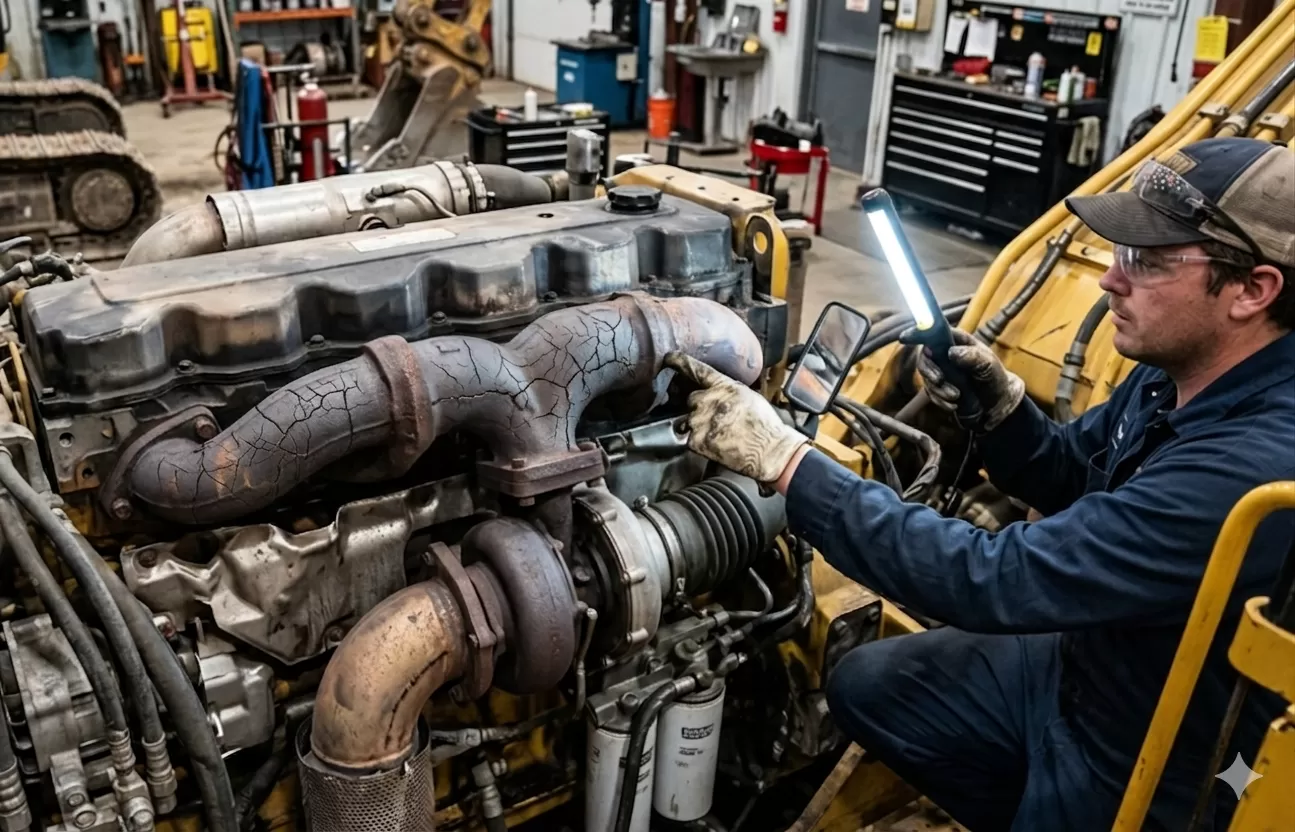
The engines of machines work under a lot of pressure, heat and workload. The exhaust manifold is a part that plays a role in this. It helps to direct gases from the engine, which is important for the engine to work well and for safe emissions.
Over time the exhaust manifold can get cracks, which can cause problems with how the engine works, increase fuel use and even damage the engine. It is important to know the signs of a cracked manifold and when to replace it to prevent downtime.
What Does an Exhaust Manifold Do?
So what does an exhaust manifold do? It collects gases from cylinders and channels them into the exhaust system. In machines like excavators and dozers this part has to withstand heat, continuous shaking and high-pressure exhaust flow. If the manifold fails it can disrupt how well the engine works. Affect how productive the machine is.
Causes of Exhaust Manifold Cracks
There are reasons why exhaust manifolds can crack. These include:
- Expansion and contraction: When the metal gets hot and cools down it can contract, which can cause fatigue and cracking over time.
- Engine load: Heavy workloads can make exhaust temperatures go up and put strain on the material.
- Mounting or loose bolts: If the manifold is not put in right or if the bolts are loose it can create stress points, which can make cracks form faster.
- Vibration and engine movement: The constant shaking of heavy equipment engines can weaken the structure over time.
- Material fatigue: Built parts can wear out after thousands of operating hours especially under tough conditions.
Signs of a Cracked Exhaust Manifold
If you notice any of the signs you should not ignore them:
- Loud engine noise: A ticking or tapping sound during startup can mean exhaust gases are escaping.
- Engine performance: Cracks can disrupt flow reducing how well the engine works and its power output.
- Increased fuel consumption: Improper exhaust flow can affect how well combustion works, leading to fuel use.
- Soot or burn marks: Black soot around the area can be a clear sign of leakage.
- Exhaust smell: Leaking gases may become noticeable around the engine compartment.
- Overheating parts: Heat escaping from cracks can affect parts increasing the risk of damage.
Methods to Detect Cracks
To find cracks you can use these methods:
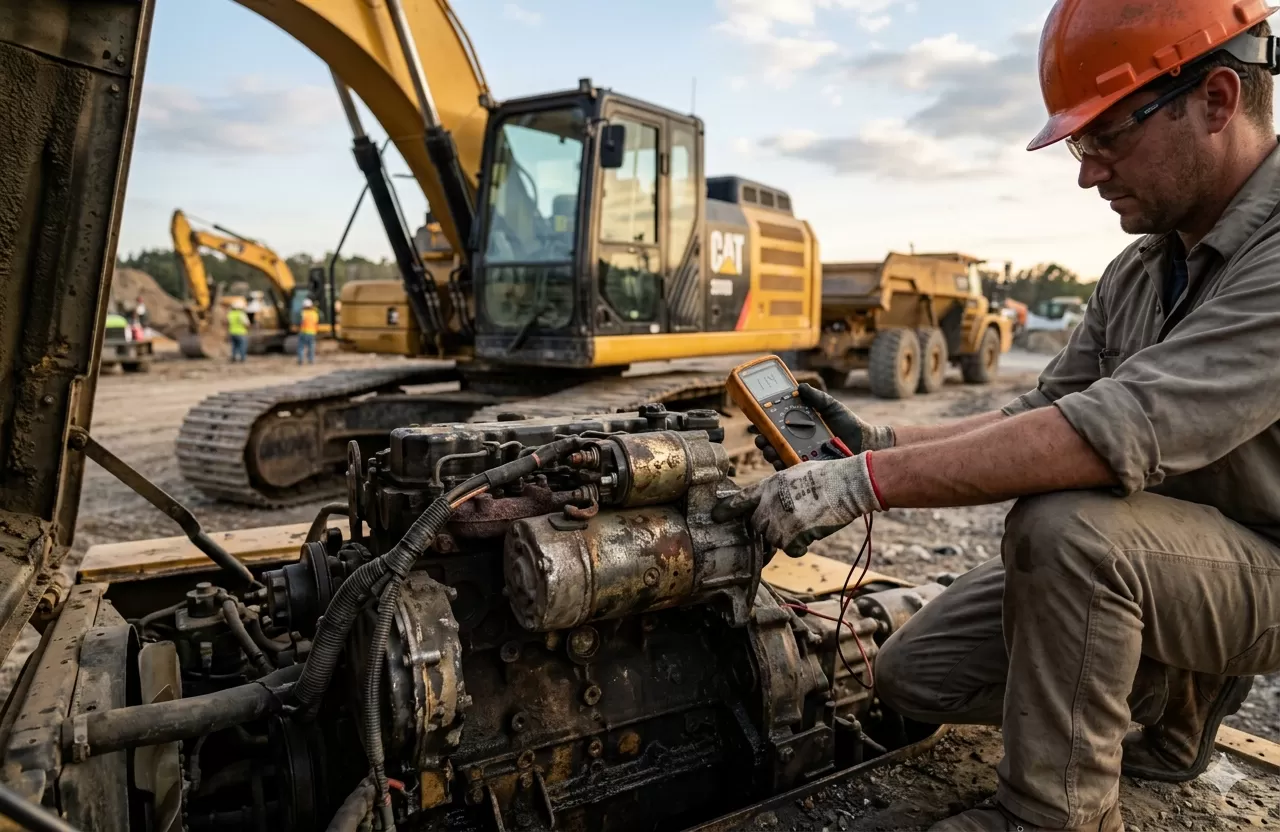
- Inspection: Look for visible cracks, soot marks or discoloration around the manifold.
- Sound check: Unusual ticking noises during engine startup can mean leaks.
- Smoke testing: Putting smoke into the exhaust system can show leak points.
- Thermal inspection: Hot spots found with tools can mean escaping gases.
Repair or Replacement
If you find a crack you may need to replace the exhaust manifold. In some cases repair may be possible. It is often better to replace the manifold to ensure it works well for a time. When choosing a replacement manifold make sure to pick an high-quality part that meets or is better than the original specifications.
Installation Process
To install a manifold you will need to:
- Remove heat shields and surrounding parts
- Disconnect the exhaust system
- Unbolt. Remove the damaged manifold
- Clean mounting surfaces
- Install the manifold with the torque specs
- Reassemble parts and test for leaks
Preventing Future Manifold Cracks
To prevent future manifold cracks you should:
- Check engine temperature often
- Tighten bolts to recommended levels
- Inspect the manifold during maintenance
- Avoid overloading equipment
- Fix engine issues
Conclusion
By following these tips you can help make your exhaust manifold longer and prevent costly repairs. Remember, exhaust manifold cracks are an issue in equipment but they do not have to cause major downtime. With maintenance and informed decisions you can keep your equipment running efficiently.

About the Author