Worldwide Shipping

Hydraulic Lifter Noise in Heavy Equipment: Causes, Diagnosis, and Fixes

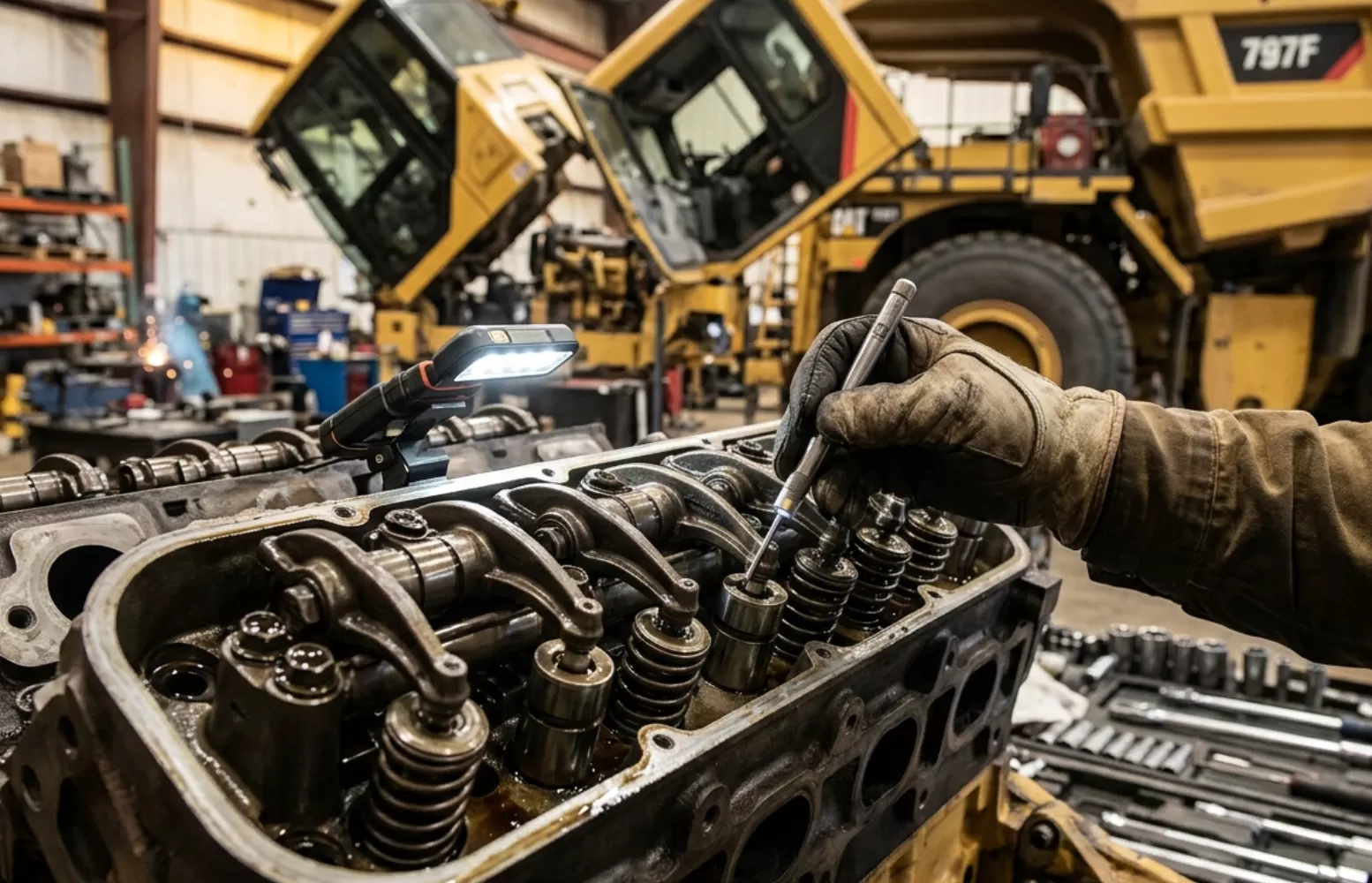
If you have spent time around equipment you have probably heard a rhythmic ticking sound coming from deep inside the engine. This sound may seem like an issue at first but hydraulic lifter noise in heavy equipment is rarely something that you can ignore. If you do not do anything about it a faulty lifter can damage the valvetrain, reduce the power output of the engine and eventually lead to a more expensive repair.
This guide is about what hydraulic lifters do, the common causes of engine lifters, how to properly diagnose the problem and what you need to know about lifter replacement in diesel engines used in construction applications.
What Are Hydraulic Lifters?
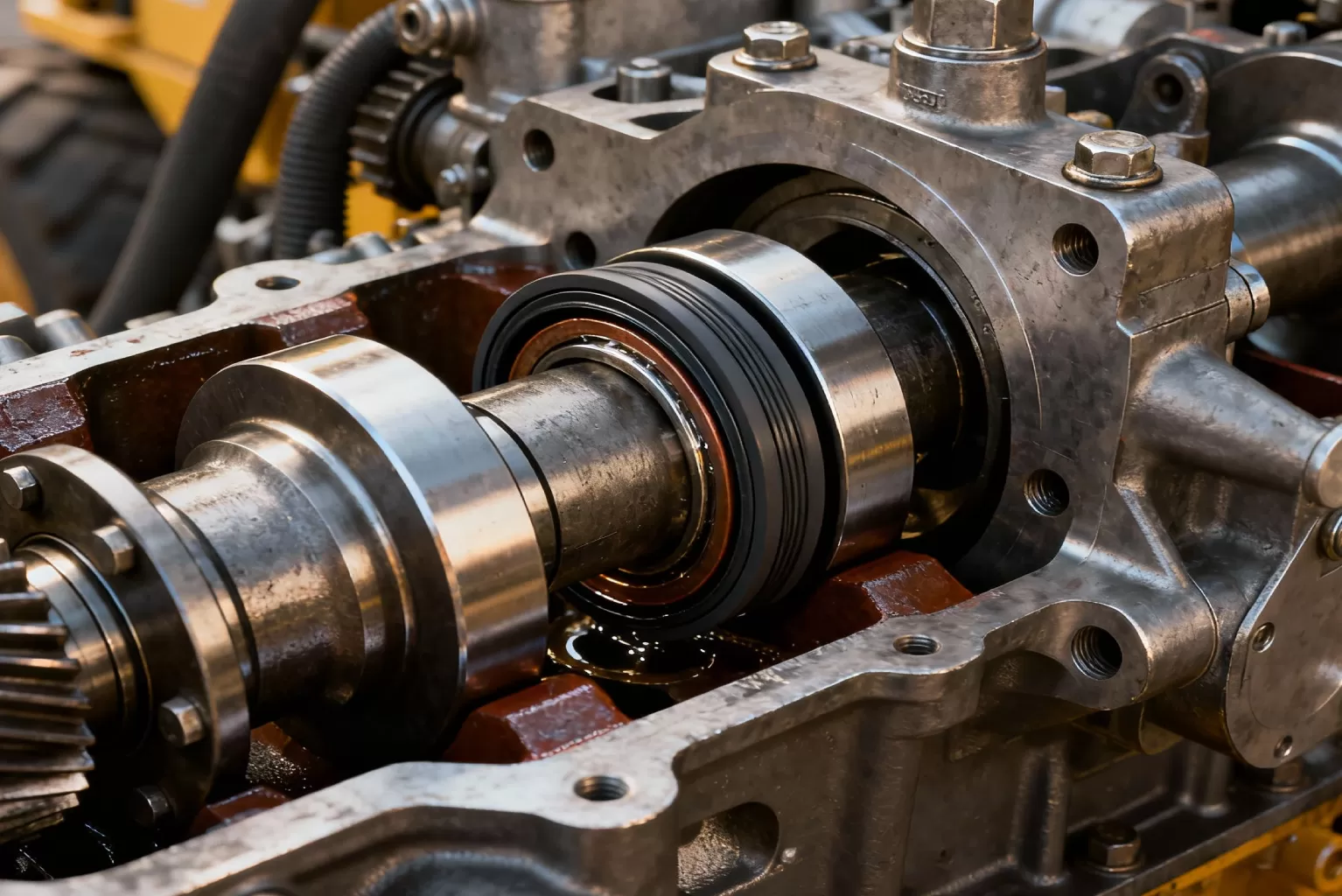
Hydraulic lifters, called valve lifters or tappets are very important parts of your engine's valvetrain. They sit between the camshaft and pushrods using oil to keep the valve clearance at zero automatically.
In equipment, especially diesel-powered construction machinery the engines have to work very hard under high loads, extreme temperatures and long daily hours. This puts a lot of stress on the lifters. When they start to fail you will notice the signs quickly. And loudly.
Common Causes of Hydraulic Lifter Noise in Heavy Equipment
Understanding these causes is the step towards fixing the problem. Here are the common ones:
-
Low or Degraded Engine Oil
Hydraulic lifters need oil pressure to work properly. If the oil is low. Overdue for a change the lifters will not get the lubrication they need. Air can get into the lifter body making that ticking sound. This is one of the preventable causes of hydraulic lifter noise in heavy equipment.
-
Oil Passage Blockages
Sludge and carbon deposits can block the oil galleries that feed the lifters. When oil cannot flow freely the lifter collapses slightly, loses its ability to keep the valve clearance proper and makes noise.
-
Worn or Collapsed Lifters
After thousands of hours of use the internal check valve or plunger in the lifter wears out. A collapsed lifter leaves much clearance in the valvetrain and causes persistent ticking.
-
Camshaft Wear
Lifter noise can be a sign of camshaft lobe wear. The lifter rides directly on the cam. A worn lobe prevents proper valve actuation. You should check both parts together.
-
Cold Start Ticking
Some ticking at start is normal until the oil pressure stabilizes. However if the noise continues after a minute of warm-up you need to investigate further.
How to Diagnose Engine Lifter Tick in Equipment
To diagnose engine lifter ticks in equipment you need to follow a systematic approach. Here are the steps:
Step 1: Check the Oil
Before you take anything apart, check the oil level and condition. If the oil is dark sludgy or smells burnt you need to change it. In cases fresh oil will reduce or fix the lifter noise within minutes of startup.
Step 2: Listen
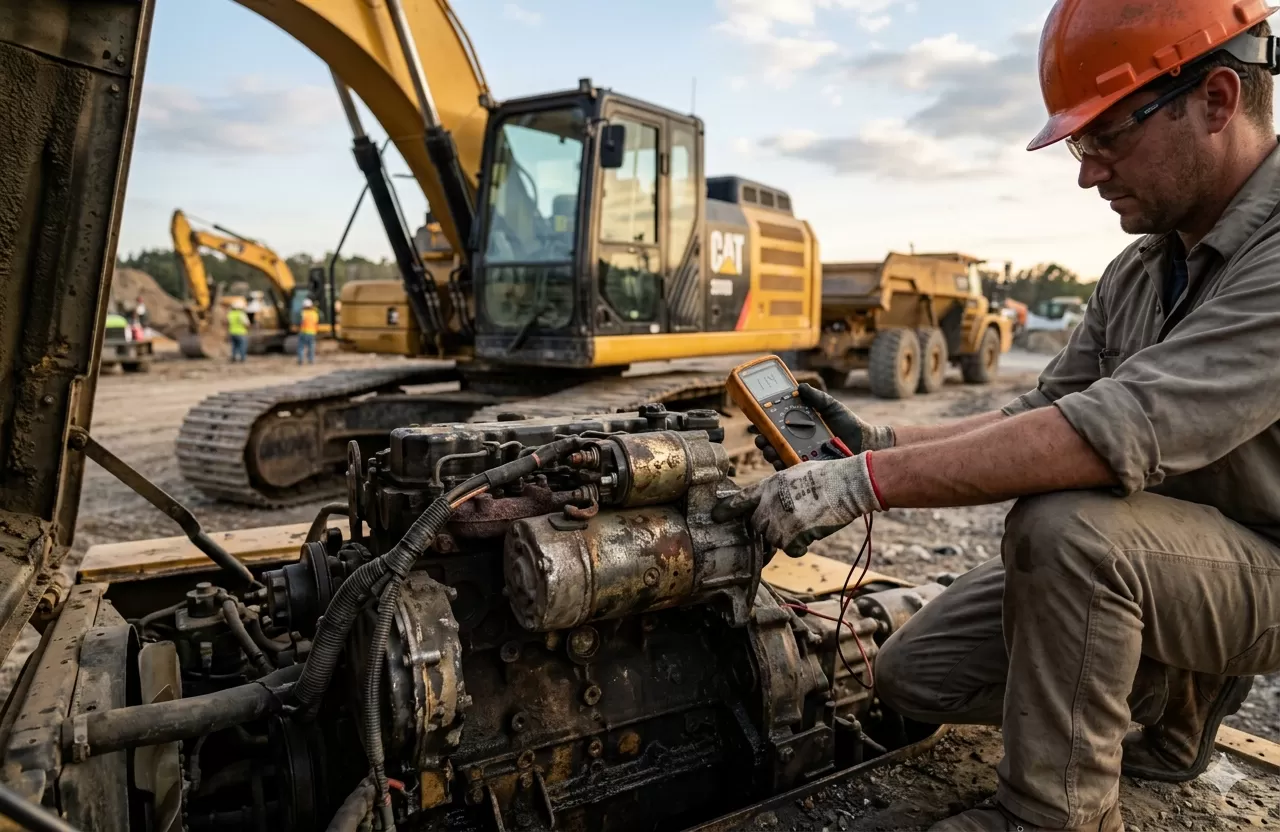
Use a mechanics stethoscope or a long-handled tool pressed gently against the valve cover to find out where the noise is loudest. Lifter noise is usually a repetitive tick that gets louder with RPM. If the noise is coming from one place it may indicate a failed lifter.
Step 3: Check Oil Pressure
Low oil pressure can cause lifter noise. Use a gauge to check the pressure at idle and under load. If the readings are low it may indicate an oil pump, clogged pickup screen or internal wear. Not just a lifter issue.
Step 4: Inspect the Valvetrain
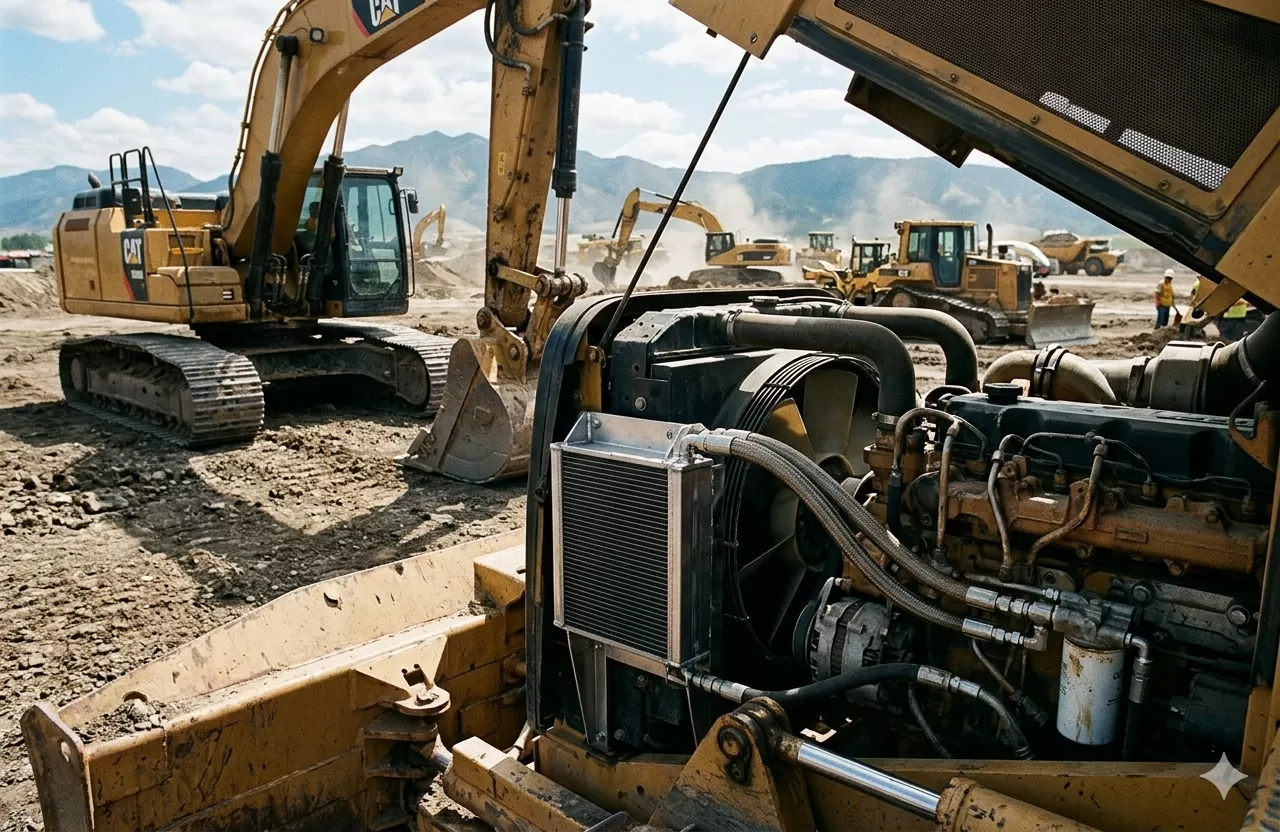
If the noise continues after an oil change and the pressure checks out remove the valve cover. Look for wear, pitting or discoloration on the rocker arms, pushrods and lifters. Rotate the engine by hand. Watch for irregular valvetrain movement.
Step 5: Test Each Lifter
Press down on the pushrod end of each lifter. A healthy hydraulic lifter should feel firm with free play. A lifter that compresses easily or feels spongy has failed internally. Needs to be replaced.
Lifter Replacement in Construction Equipment Diesel Engines
When you have confirmed that a lifter is bad you need to replace it. Here are some things to keep in mind for lifter replacement in construction equipment diesel engines:
- Replace Lifters in Sets
If one lifter has failed others may follow, after oil starvation or contamination. Many technicians recommend replacing all lifters in a bank or the full set during the job to avoid repeat teardowns.
- Inspect the Camshaft at the Same Time
Since lifters and cam lobes work together you should always check the cam lobes when replacing lifters. A worn cam lobe will quickly damage a lifter. If you find wear, replace both together.
- Prime New Lifters Before Installation
Soak lifters in clean engine oil before installing them. This helps the oil fill the lifter quickly. Prevents damage during startup.
- Choose the Right Parts
When replacing construction equipment lifters choose genuine or high-quality aftermarket parts that meet or exceed OEM specifications.
- Follow Break-In Procedures
After replacement run the engine at an idle for 20-30 minutes and monitor it closely for noise, leaks or pressure irregularities. Avoid loads during break-in.
How to Prevent Lifter Problems in Construction Equipment
To prevent problems with your construction equipment lifters you should follow these tips:
- Change the engine oil on schedule. Or sooner if the equipment is used in demanding conditions
- Always use the oil viscosity for your engine and climate
- Replace the oil filter with every oil change
- Allow the engine to warm up properly before putting it under load
- Monitor oil pressure regularly. Address low readings promptly
- Fix leaks before they lead to low oil conditions
Final Thoughts
Hydraulic lifter noise in heavy equipment is a sign that something is wrong with the engine. And it pays to respond early.
Whether you are dealing with a tick or a fully collapsed lifter in a high-hours diesel proper diagnosis and quality parts make all the difference.
Keeping construction equipment lifters in condition comes down to consistent maintenance and acting before small issues become major failures.

About the Author

Related Posts
Top 5 Warning Signs Your Track Loader Parts Need Replacement