Worldwide Shipping

How to Troubleshoot a Faulty Heavy Equipment Air Conditioning System

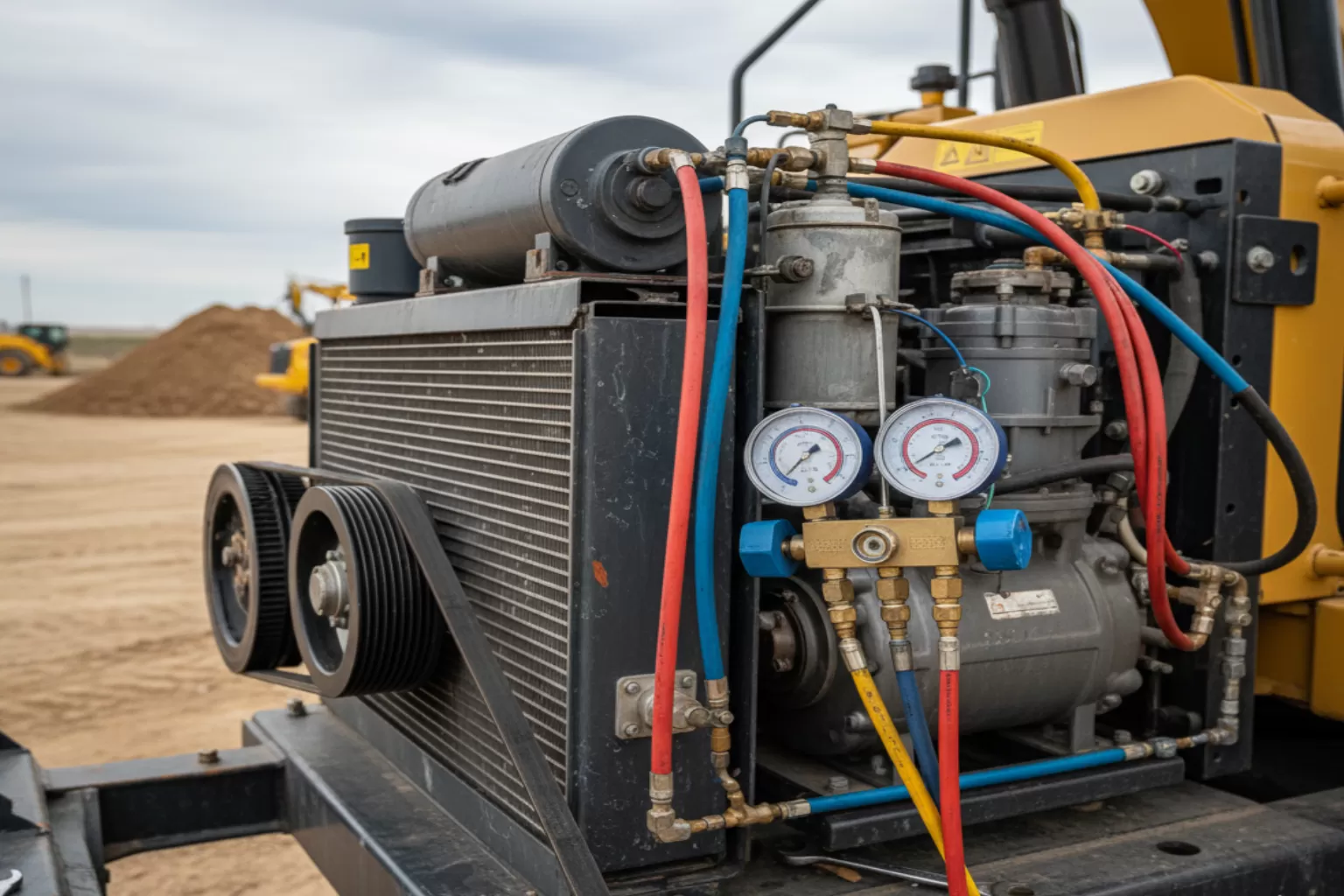
A properly working air conditioning system is essential for operator comfort and equipment productivity. But just like engines and hydraulics, AC systems in heavy machinery experience wear and tear. Problems with compressors, filters, fans, and controls can all lead to inefficient performance or complete system failure.
When issues come up, knowing how to troubleshoot the system saves valuable downtime and helps you identify which replacement parts you’ll need such as compressors, filters, or electrical components.
Common Signs of AC System Problems
When the air conditioning system in heavy equipment starts to fail, the warning signs are usually more noticeable than subtle. Operators might first experience discomfort, such as weak airflow or inconsistent temperatures inside the cab. Over time, these small issues can escalate into larger mechanical problems, leading to downtime and costly repairs.
Some problems show up as gradual changes like reduced cooling efficiency, while others such as a nonresponsive control panel or loud compressor noises appear suddenly and stop the system from functioning completely. Paying attention to these early indicators can help identify whether the issue lies with compressors, fans, filters, or electrical components.
- Air blowing warm instead of cool
- Compressor making knocking or grinding noises
- Heater not producing warm airflow when engaged
- Fans failing to circulate air effectively
- Buttons or control switches not responding
- Strange electrical smells or burnt wiring signals
Catching these symptoms early gives you the chance to perform small fixes before major breakdowns occur.
Step-by-Step Troubleshooting Guide
Troubleshooting an equipment AC system involves more than just checking if it’s blowing cold air. Because the system depends on multiple components working together such as compressors, fans, heaters, electrical wiring, and filters the inspection needs to be systematic.
By breaking the process into specific steps, operators and technicians can quickly narrow down the cause of the issue and decide whether it’s something as simple as a dirty filter, or if a larger part like the compressor needs replacement. A structured troubleshooting approach not only saves time but also ensures that underlying issues don’t get overlooked, preventing repeated failures in the future.
1. Inspect Airflow and Filters
Restricted airflow is often the first sign of a problem. Dirty or clogged fuel filters, hydraulic filters, or oil filters may not seem connected, but they can increase strain on electrical components that support the AC system. Always check filters first as part of preventive maintenance.
2. Check the AC Compressor
The air conditioning compressor is the power hub of the AC system. If it’s not working properly, cooling won’t occur. Look for leaks, fluid loss, or grinding noises. If necessary, replace the compressor with a part such as 1946725 or 3244131, depending on machine fit.
3. Examine Fans and Heater Controls
Fans help circulate cooled or heated air. Faulty fans, or worn-out heater components, can cause air to remain stagnant. If heater buttons or switches aren’t functioning, the air temperature will not match settings. Electrical tests and visual inspections usually identify the issue.
4. Evaluate Electrical Connections
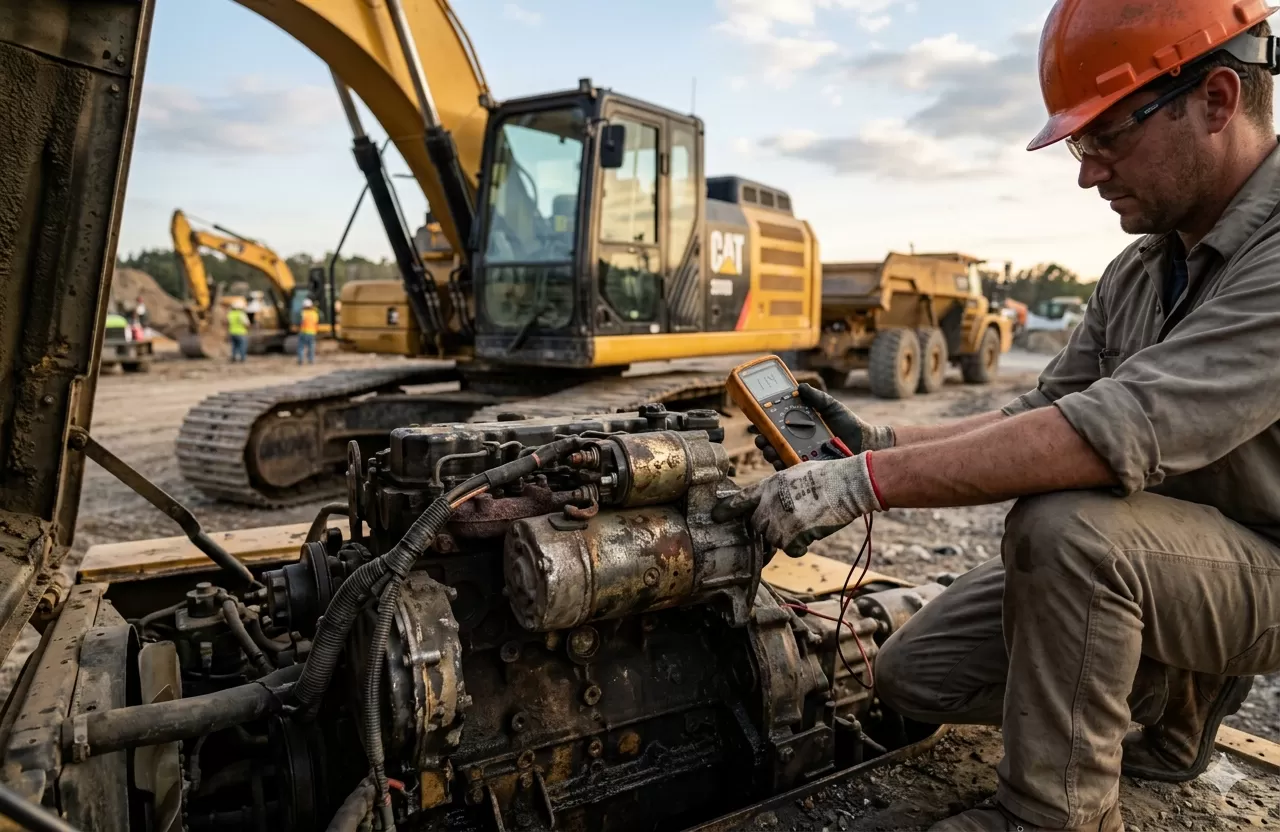
Loose or corroded wires are a common source of AC malfunctions in heavy equipment. Check fuses, wiring harnesses, and control switches. Sometimes, it’s as simple as reconnecting a plug or replacing a worn connector.
5. Test for Refrigerant Problems
If airflow is strong but not cold, low refrigerant levels may be the problem. Refrigerant loss often indicates leaks, so look for oily residue around hoses or fittings. A pressure test can confirm.
6. Practice Preventive Maintenance
The most effective way to keep an equipment AC system reliable is by regular service. Replacing hydraulic filters, fuel filters, and oil filters with options that meet or exceed OEM expectations prevents unnecessary strain across related systems.
A heavy equipment air conditioning system isn’t just about comfort it affects operator productivity, safety, and long-term equipment performance. By watching out for early warning signs, performing systematic checks, and replacing faulty parts like compressors, fans, and filters, you prevent costly breakdowns and extend the lifespan of your machine.
If you identify issues with compressors (such as models 1946725 or 3244131) or recurring filter blockages, sourcing reliable replacement parts online is a quick solution to keep machines running smoothly. With proper troubleshooting and regular maintenance, your AC system will stay dependable in even the toughest working environments.

About the Author