Worldwide Shipping

Crankshaft Seals and Filters: Protecting Your Heavy Equipment

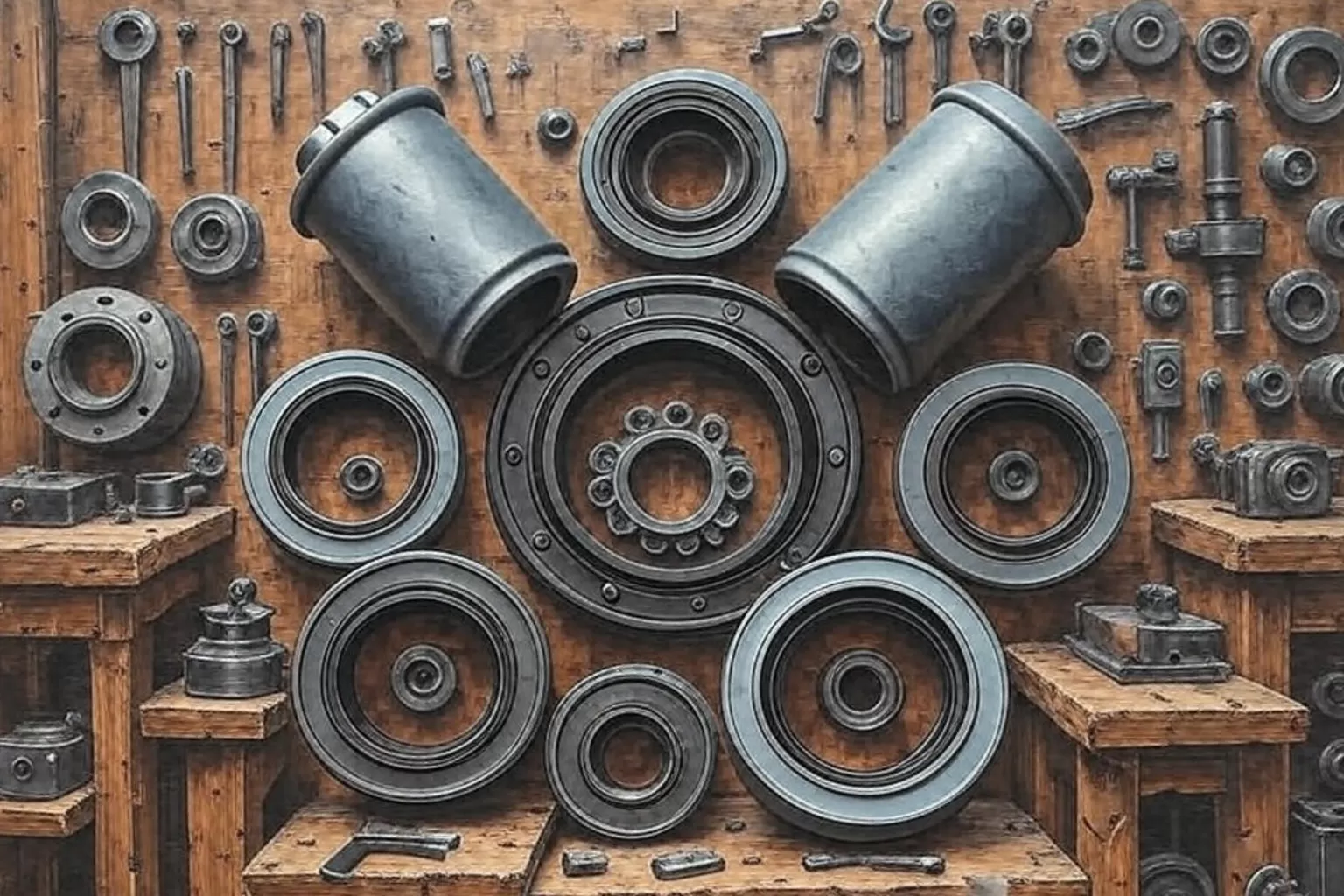
When you’re maintaining heavy equipment, reliable parts are essential for preventing costly downtime. One critical component is the crankshaft seal (Part Numbers like: 1425868), which help protect your engine from oil leaks and contamination. Along with seals, using the right filters fuel filters, hydraulic filters, and oil filters can mean the difference between smooth performance and unexpected repairs.
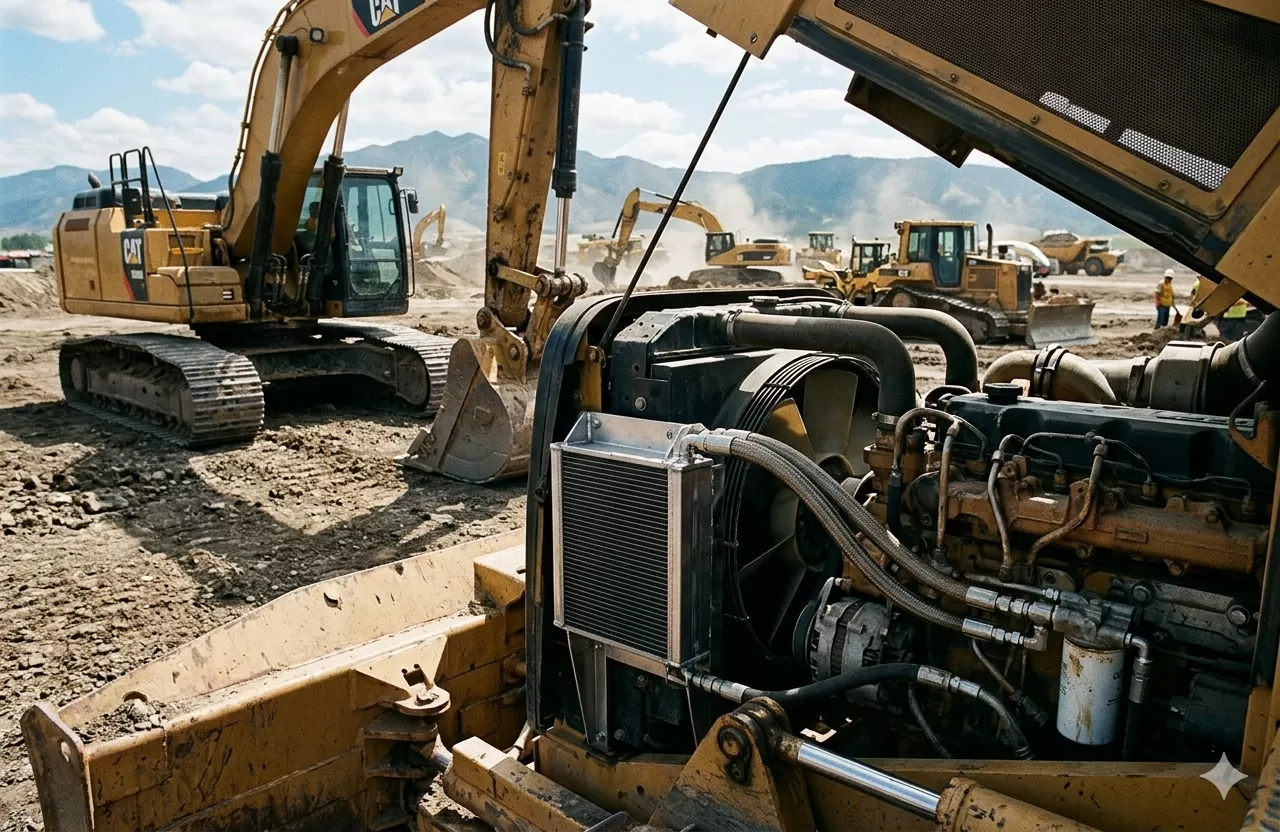
Heavy equipment operates in extreme conditions, and parts like seals and filters are often the unsung heroes that keep machines functioning at their best. Crankshaft seals maintain internal pressure balance and prevent lubricant loss, while filters safeguard sensitive components against harmful particles, dirt, and moisture.
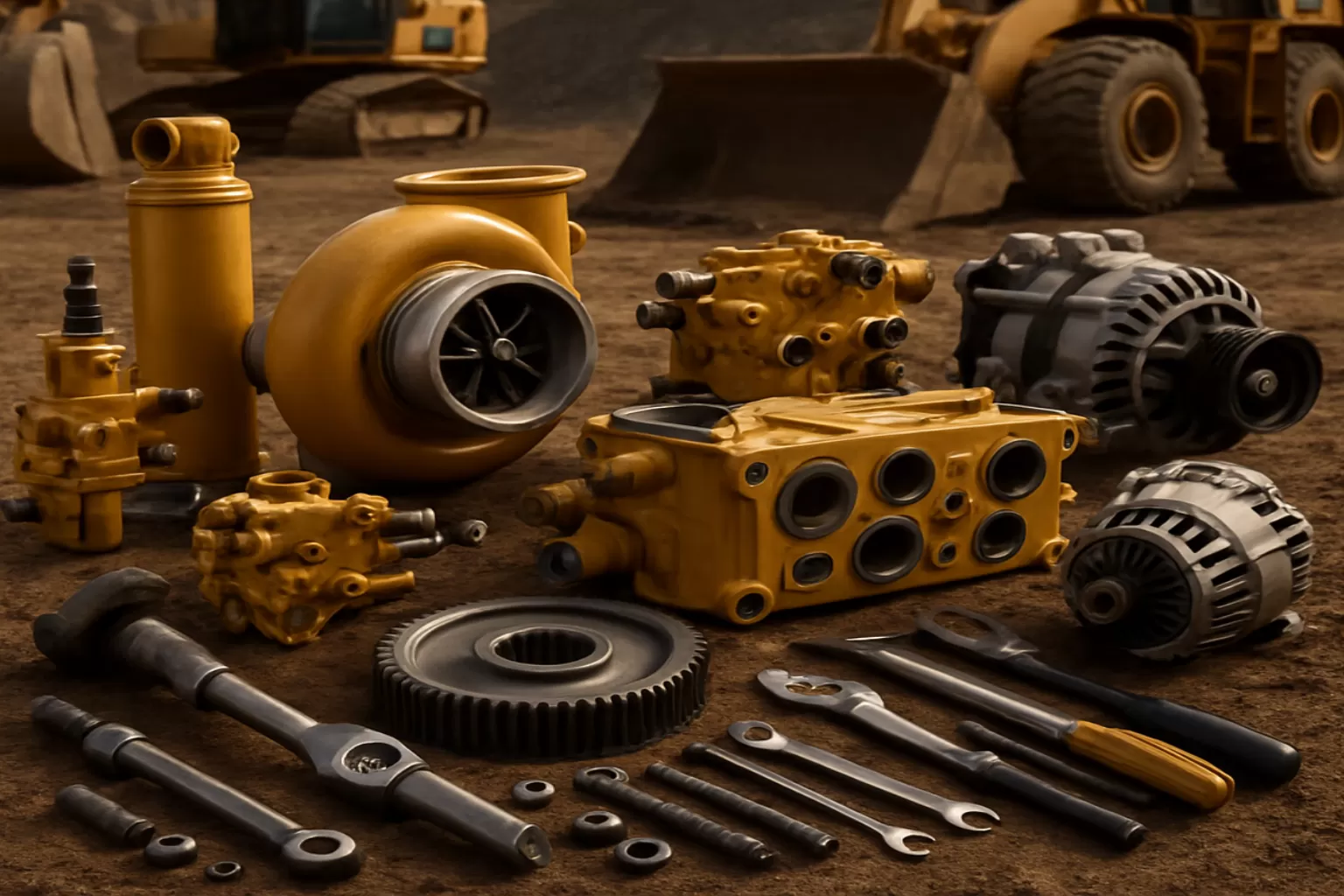
By choosing high-quality aftermarket heavy equipment parts that meet or exceed OEM expectations, you ensure that your machines receive practical, affordable, and lasting solutions. Online platforms make it easy to order these parts, saving both time and effort in your maintenance schedule.
Why Crankshaft Seals Matter
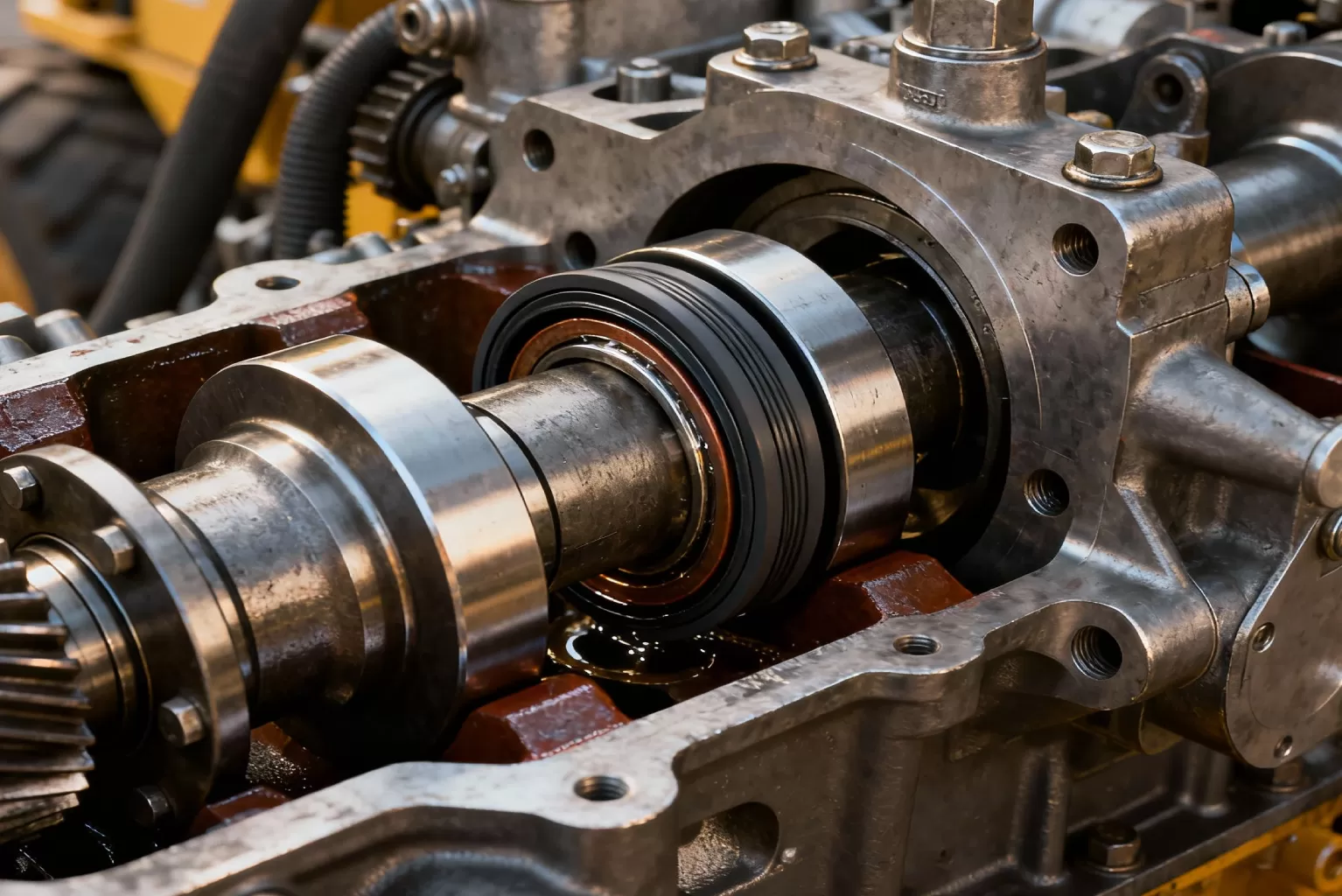
Crankshaft seals may look simple, but they play a major role in preserving engine life. Without them, oil leakage can cause premature wear, overheating, or even severe engine damage. Pairing a reliable seal with the proper engine filtration system ensures:
- Better fuel system protection
- Reduced risk of hydraulic system contamination
- Longer engine oil life
- Lower overall maintenance costs
Whether you’re in construction, agriculture, or mining operations, replacing seals and filters at planned intervals is a cost-effective way to minimize operational risks.
Crankshaft Seal Options for Heavy Equipment
Crankshaft seals are built to withstand constant pressure, friction, and temperature changes. Choosing the right seal is critical for preventing oil leakage and ensuring your engine operates at full efficiency. Below are some commonly used options available for heavy equipment:
- Part Number: 1425868 – Designed to provide a secure seal against leaks while maintaining durability under high load conditions.
- Part Number: 1475510 – Known for reliable performance in demanding environments, this seal helps safeguard internal components from contaminants.
- Part Number: 1498434 – Engineered for extended wear life, this seal is an excellent choice for maintaining consistent crankshaft performance.
Each of these seals plays a significant role in protecting your engine lubrication system. When paired with fuel filters, oil filters, and hydraulic filters, they help extend the service life of equipment. By performing timely replacements, operators reduce the risk of unplanned downtime and keep machines running at peak efficiency.
Replacing crankshaft seals together with filters during scheduled maintenance is a smart strategy. This ensures your engine and hydraulic systems stay protected simultaneously, reducing both labor time and long-term costs.

About the Author

Related Posts
Common Heavy Equipment Issues and the Caterpillar Parts You Need to Fix Them
Common Causes of Heavy Equipment Engine Breakdown (and How to Prevent Them)
Engine Mounts: How They Reduce Vibration and Extend Equipment Life
Top Heavy Equipment Parts Contractors Should Keep in Stock
Why High-Quality Brake Components Matter for Heavy Equipment Safety