Worldwide Shipping

Common Causes of Heavy Equipment Engine Breakdown (and How to Prevent Them)

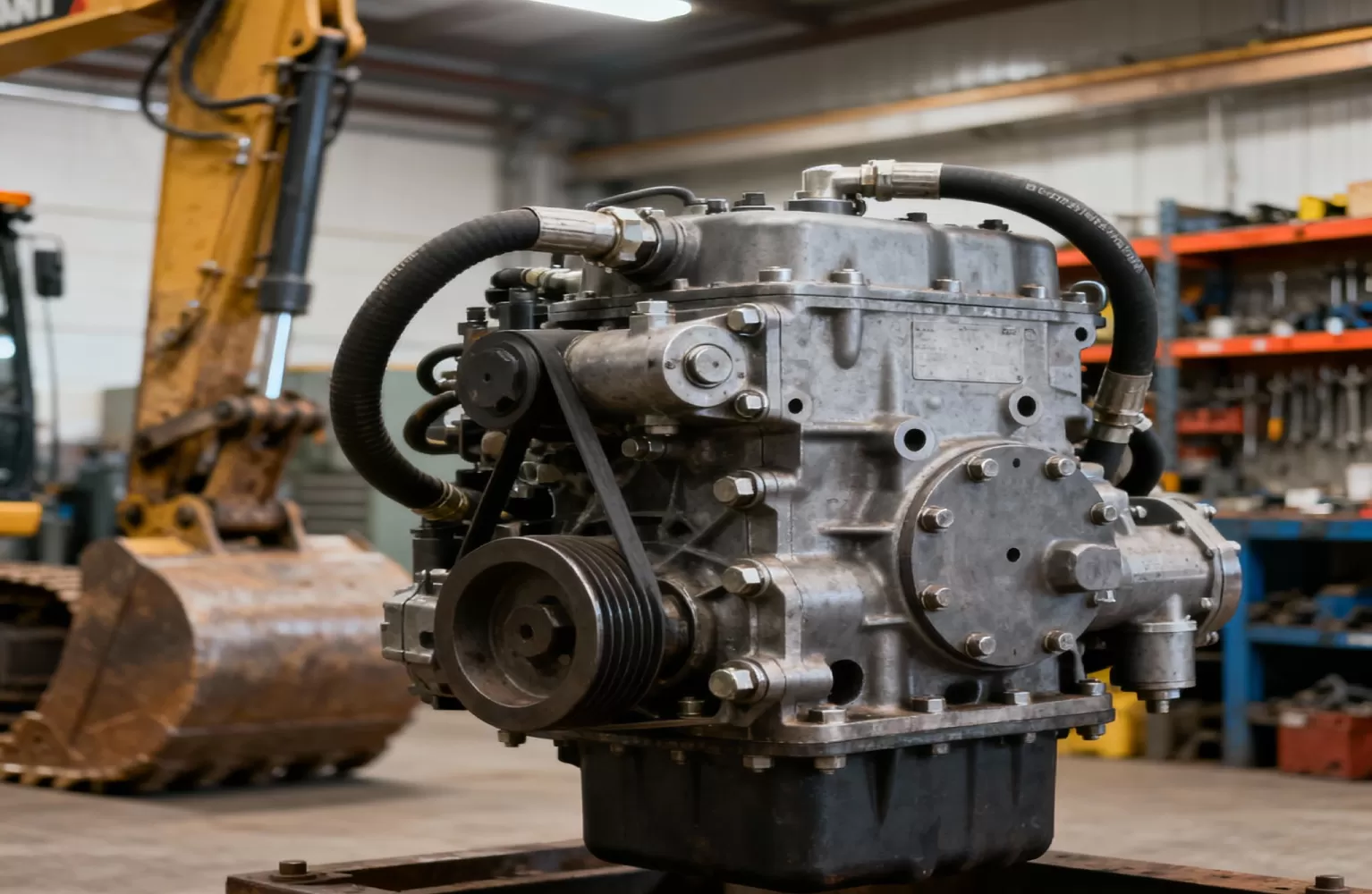
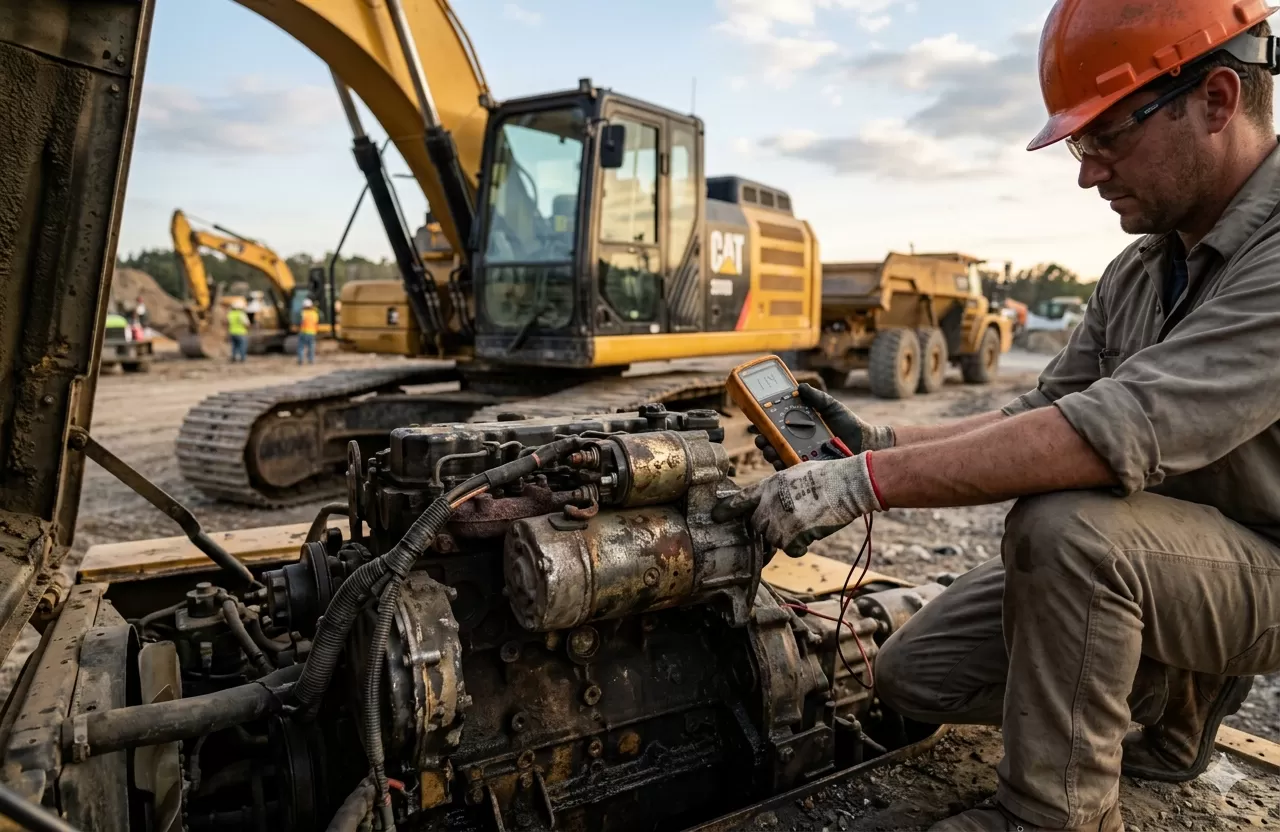
Heavy equipment engines are built to handle the toughest jobs from construction and mining to agriculture and logistics. Yet, even the most powerful engines aren’t immune to failure. A sudden heavy equipment engine breakdown can halt your operations, delay projects, and cost thousands in repairs and lost productivity.
Understanding the root causes behind engine failures is essential to preventing them. Many breakdowns result not from design flaws, but from neglect, improper maintenance, or small issues that go unnoticed until it’s too late.
In this guide, we’ll break down the most common causes of heavy equipment engine breakdowns, how to recognize early warning signs, and what preventive steps you can take to keep your machinery running reliably and efficiently.
1. Poor Engine Maintenance and Its Effects
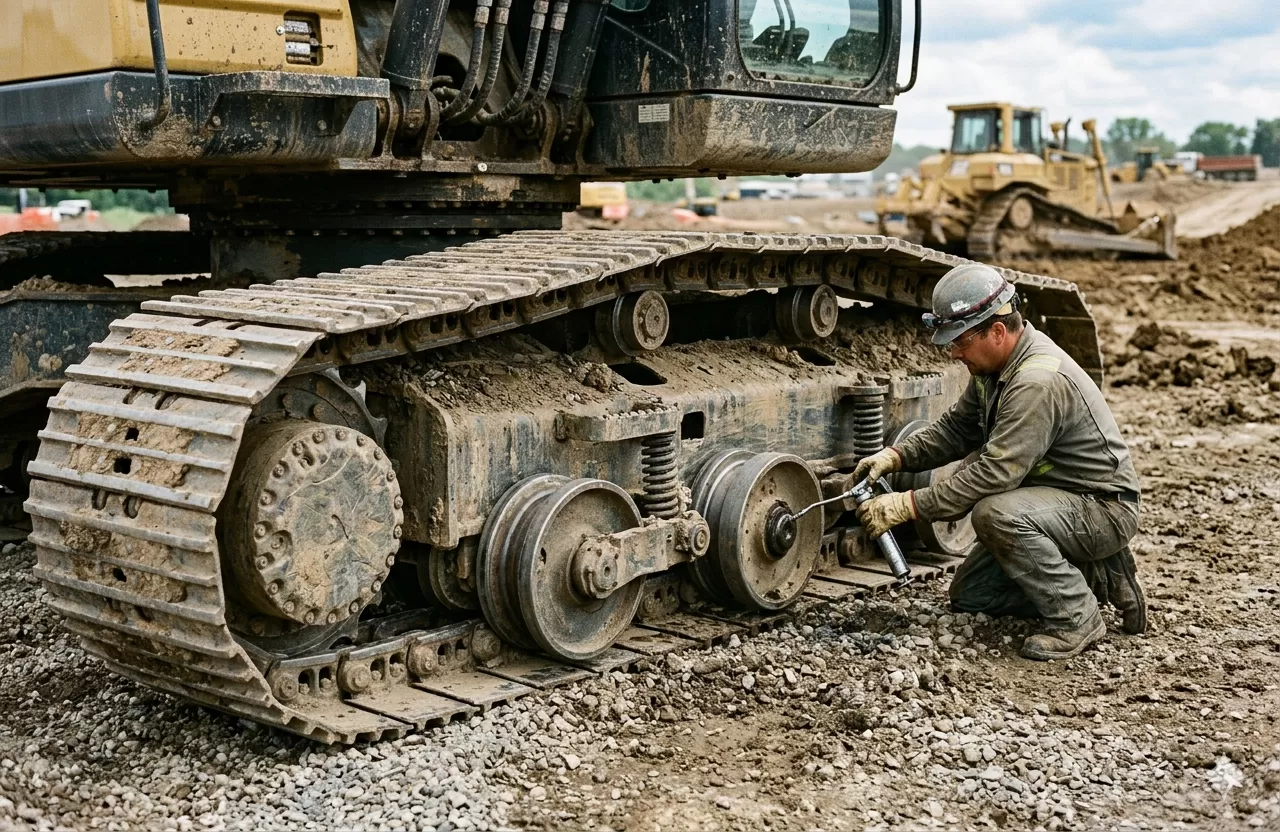
The leading cause of heavy equipment engine breakdown is neglecting regular maintenance. Skipping routine oil changes, ignoring filter replacements, or delaying inspections can lead to catastrophic damage over time.
The poor engine maintenance effects include:
- Reduced fuel efficiency
- Increased engine wear and overheating
- Carbon buildup in combustion chambers
- Shortened overall engine lifespan
Diesel engines, in particular, rely heavily on timely maintenance to perform efficiently. Missing just one scheduled service can accelerate wear on pistons, bearings, and valves. Establishing a strict preventive maintenance schedule and sticking to it is the most effective way to avoid unexpected breakdowns.
2. Lubrication System Failure
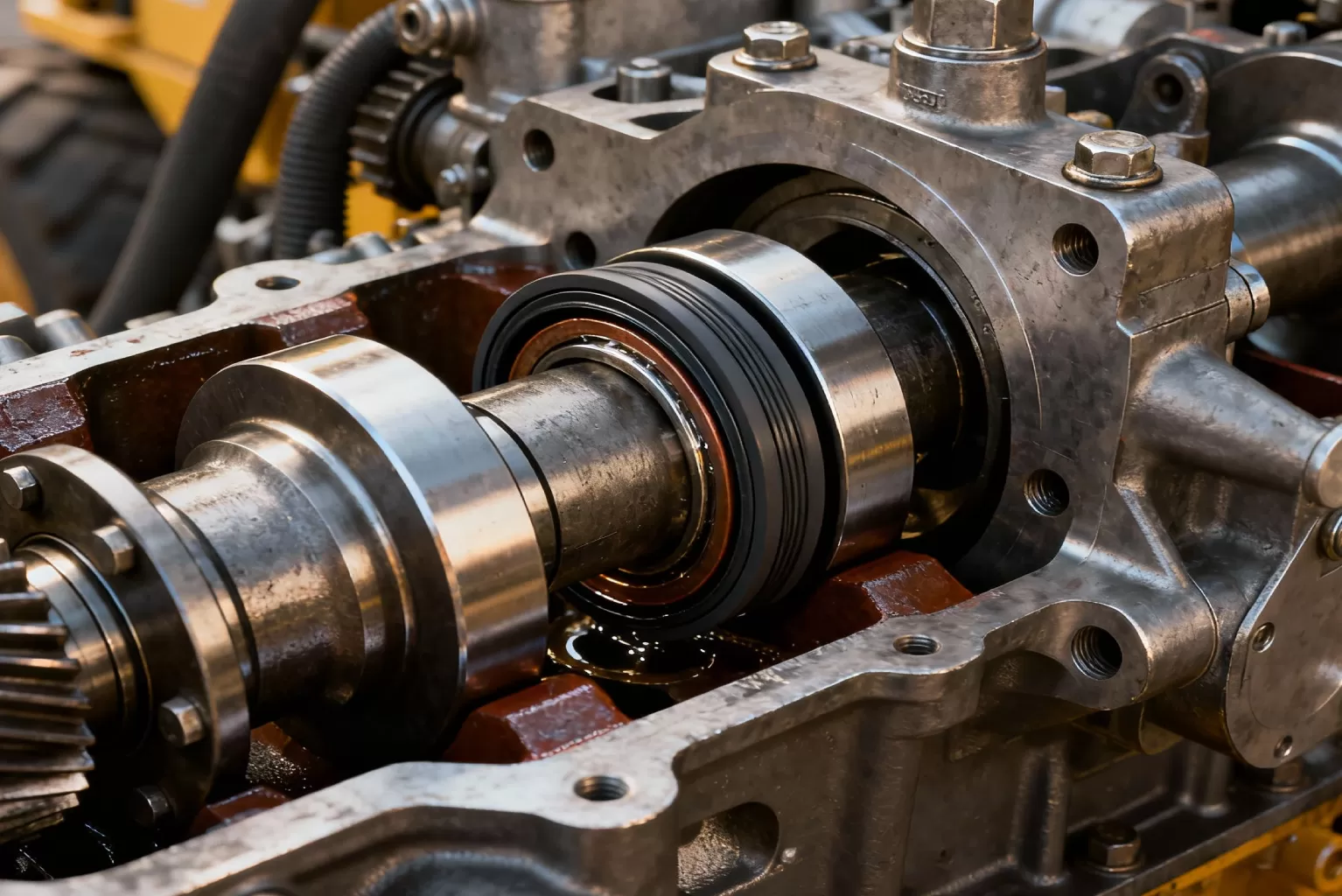
The lubrication system is the heart of your engine’s protection mechanism. Its job is to reduce friction between moving parts, manage temperature, and prevent metal-to-metal contact. A lubrication system failure can cause rapid wear or even total engine seizure.
Common Causes of Lubrication Problems:
- Low or contaminated oil
- Clogged oil filters
- Faulty oil pump or pressure regulator
- Use of incorrect oil type
Regularly check oil levels, inspect for leaks, and always use the manufacturer-recommended oil grade. Changing oil and filters on time ensures the engine’s moving parts remain properly lubricated and protected.
3. Fuel System Problems in Heavy Machinery
Fuel is the lifeblood of your heavy equipment and when contamination or inefficiency occurs, performance takes a serious hit. Common fuel system problems in heavy machinery include dirty injectors, water contamination, clogged filters, and worn fuel pumps.
These issues can lead to:
- Hard starting or misfiring
- Rough idling and reduced power
- Excessive smoke emissions
- Poor fuel economy
Preventive measures include using clean, high-quality fuel, regularly replacing filters, and draining water separators. Periodic fuel system inspections can catch early signs of trouble before they cause an engine shutdown.
4. Overheating and Cooling System Issues
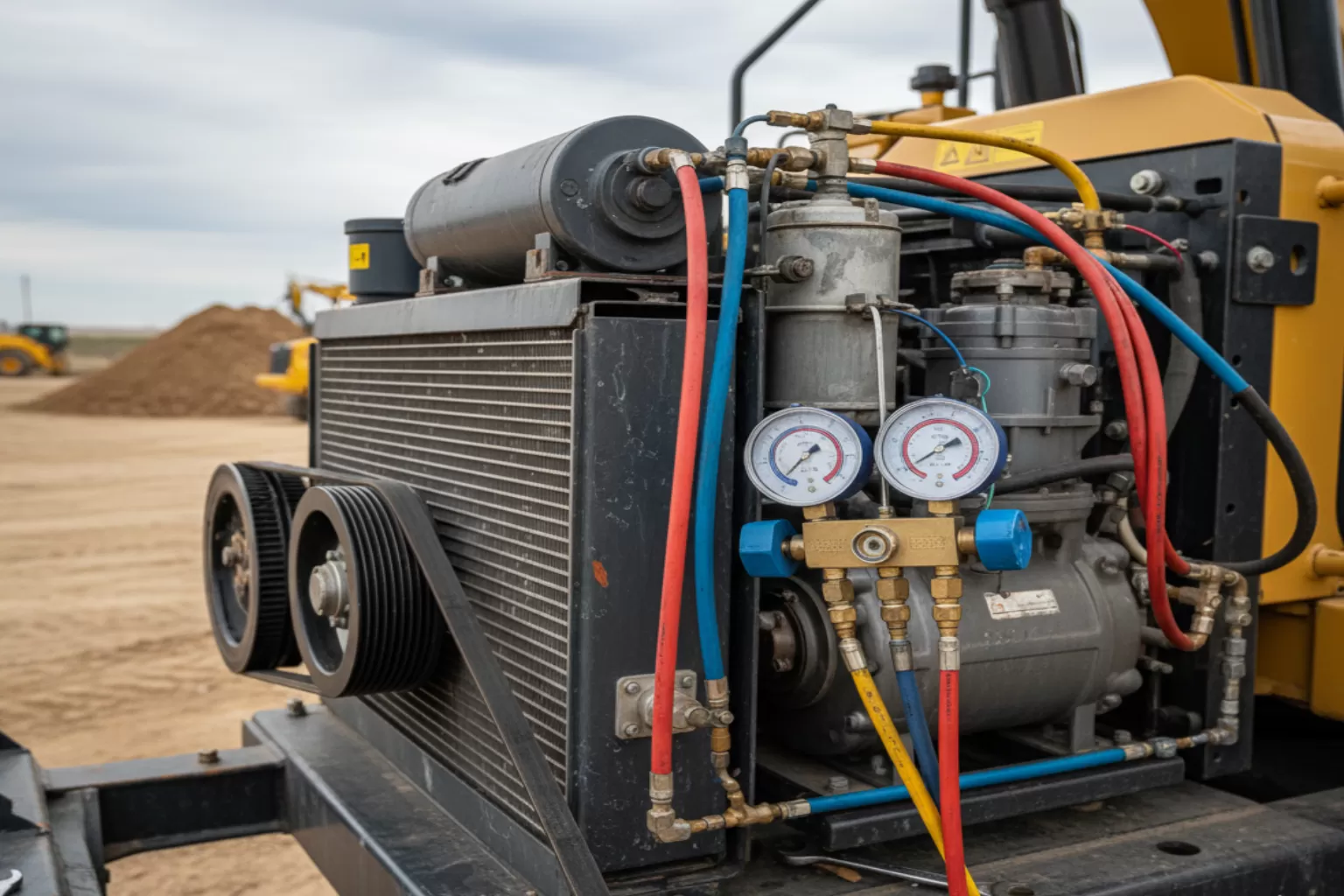
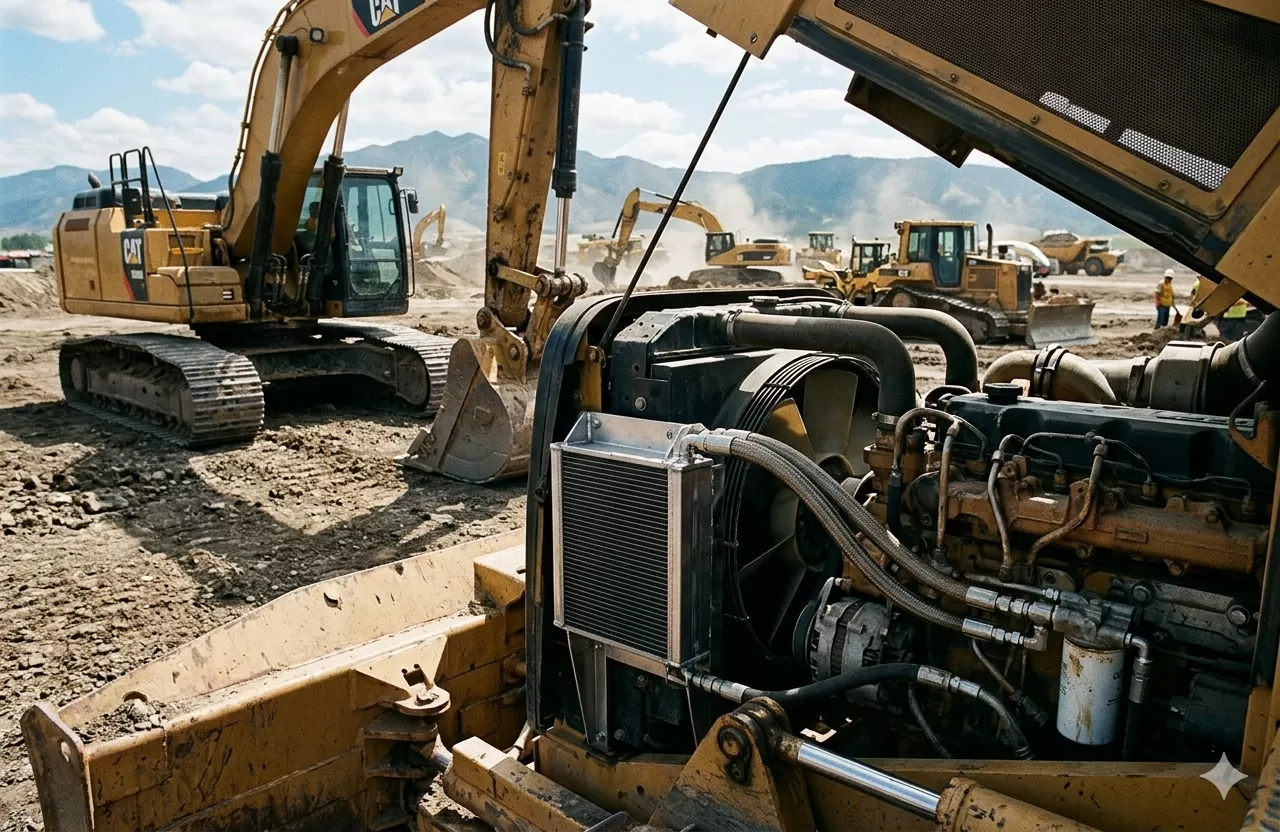
Another frequent contributor to heavy equipment engine breakdown is overheating. When the engine’s cooling system isn’t functioning properly, temperatures can rise beyond safe limits, leading to warped components and gasket failures.
Possible Causes:
- Low coolant levels or leaks
- Faulty thermostats or water pumps
- Clogged radiators or cooling fins
Always check coolant levels before operating your equipment, especially during long work hours or in high-temperature environments. Clean radiators regularly and inspect cooling hoses for cracks or leaks.
5. Air Intake and Filtration Problems
Engines need clean air for efficient combustion. A restricted or contaminated air intake can reduce power, increase fuel use, and allow abrasive particles to enter the combustion chamber.
Over time, this can cause scoring on cylinders and pistons, contributing to major heavy equipment engine breakdown events. Replacing air filters regularly and ensuring a sealed intake system can prevent costly internal damage.
6. Ignoring Warning Signs and Error Codes
Modern heavy machinery comes equipped with monitoring systems that detect irregularities in performance. Ignoring warning lights or diagnostic codes is a costly mistake.
Even small warning signs such as unusual noises, vibrations, or smoke can indicate deeper issues like fuel system problems or lubrication failure. Addressing these alerts promptly can prevent larger, more expensive repairs down the line.
Preventing Heavy Equipment Engine Breakdowns
Preventing breakdowns is all about consistency and awareness. Here’s what to do:
- Follow a regular maintenance schedule.
- Use high-quality oils, filters, and fuel.
- Inspect cooling, lubrication, and fuel systems frequently.
- Keep equipment clean and free from debris.
- Train operators to identify early warning signs.
With proactive care, you can extend your machine’s life, boost reliability, and save thousands in repair costs.

About the Author

Related Posts
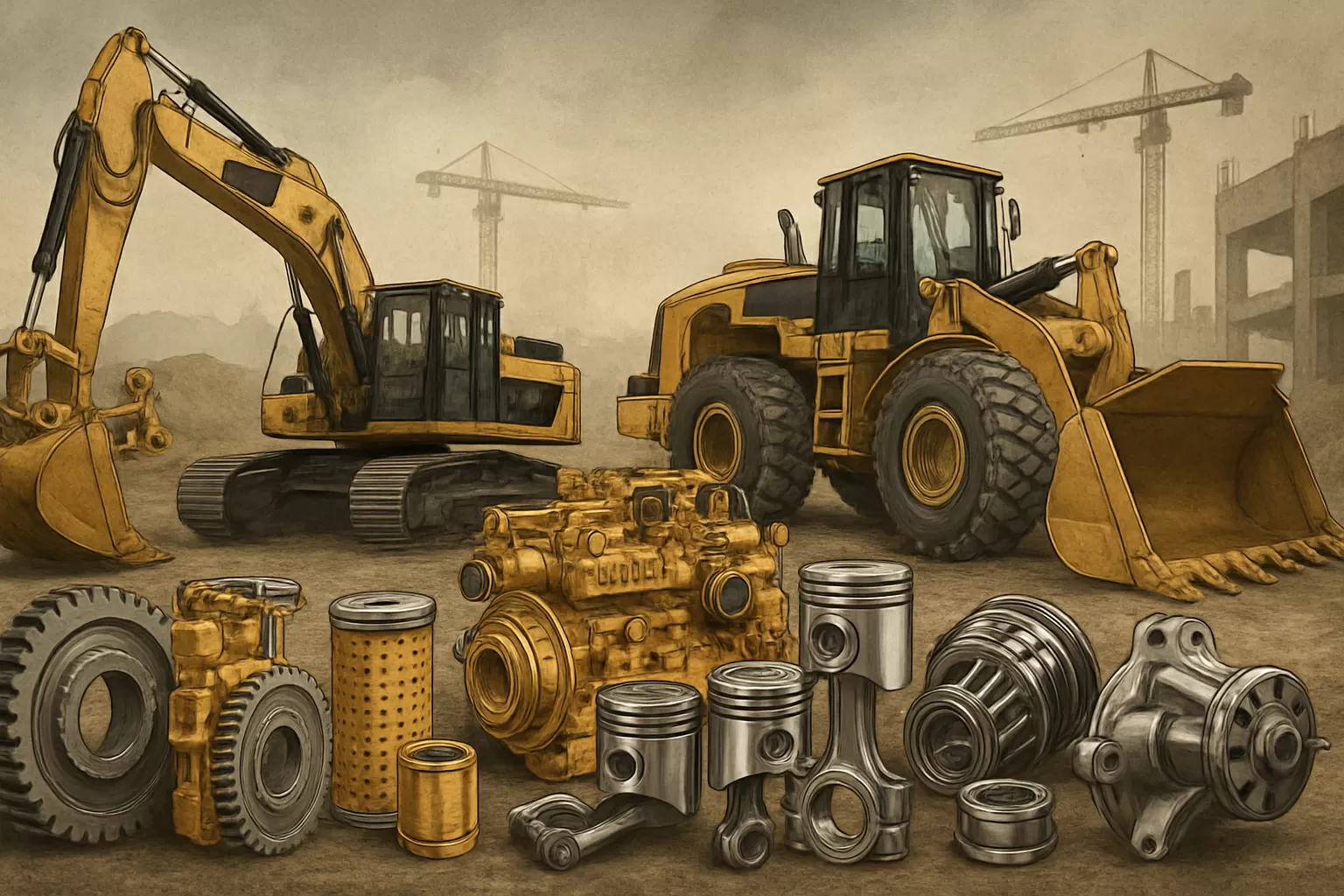
Common Heavy Equipment Issues and the Caterpillar Parts You Need to Fix Them
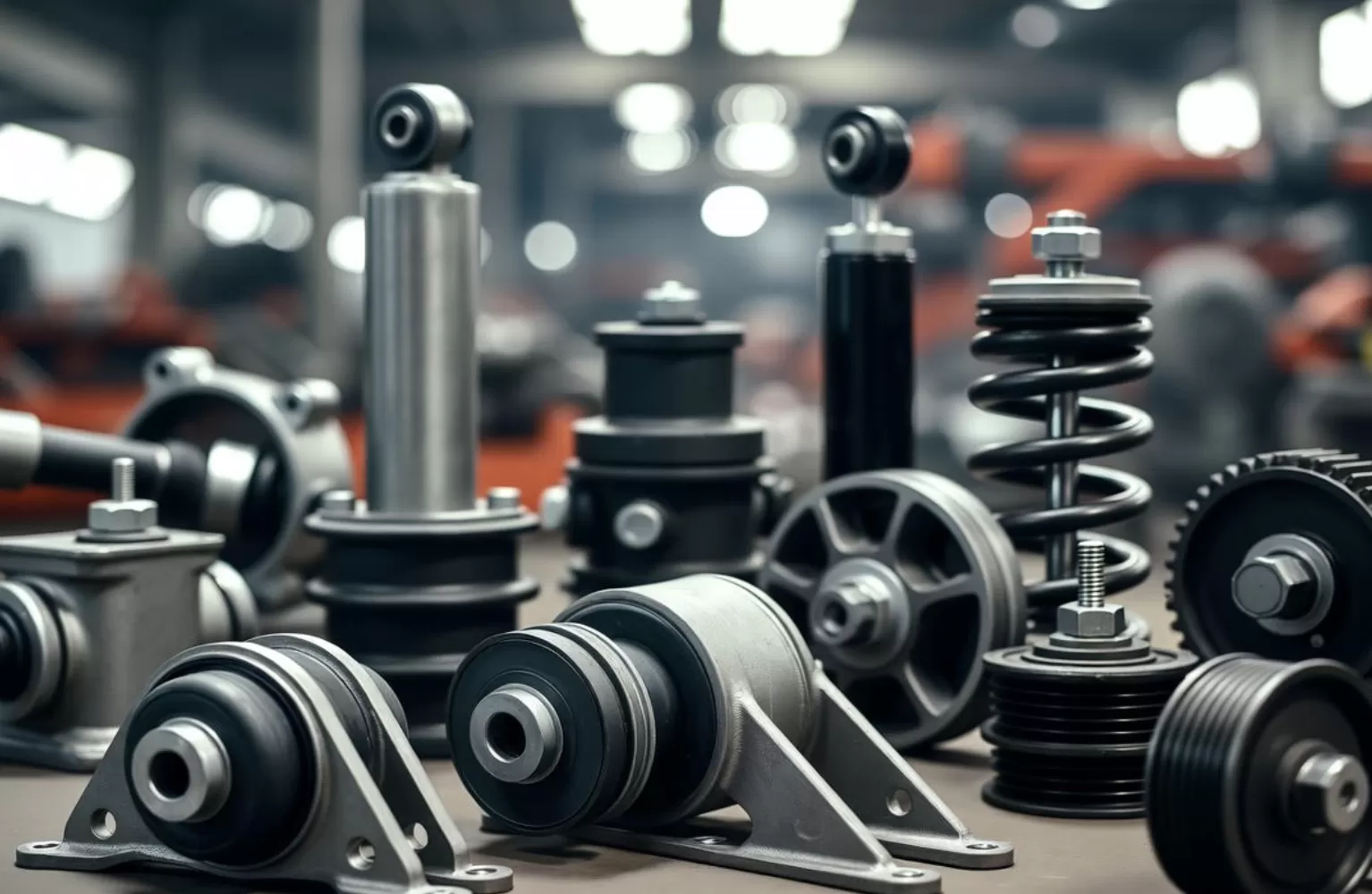
Engine Mounts: How They Reduce Vibration and Extend Equipment Life
Top Heavy Equipment Parts Contractors Should Keep in Stock
Why High-Quality Brake Components Matter for Heavy Equipment Safety