Worldwide Shipping

Why High-Quality Brake Components Matter for Heavy Equipment Safety

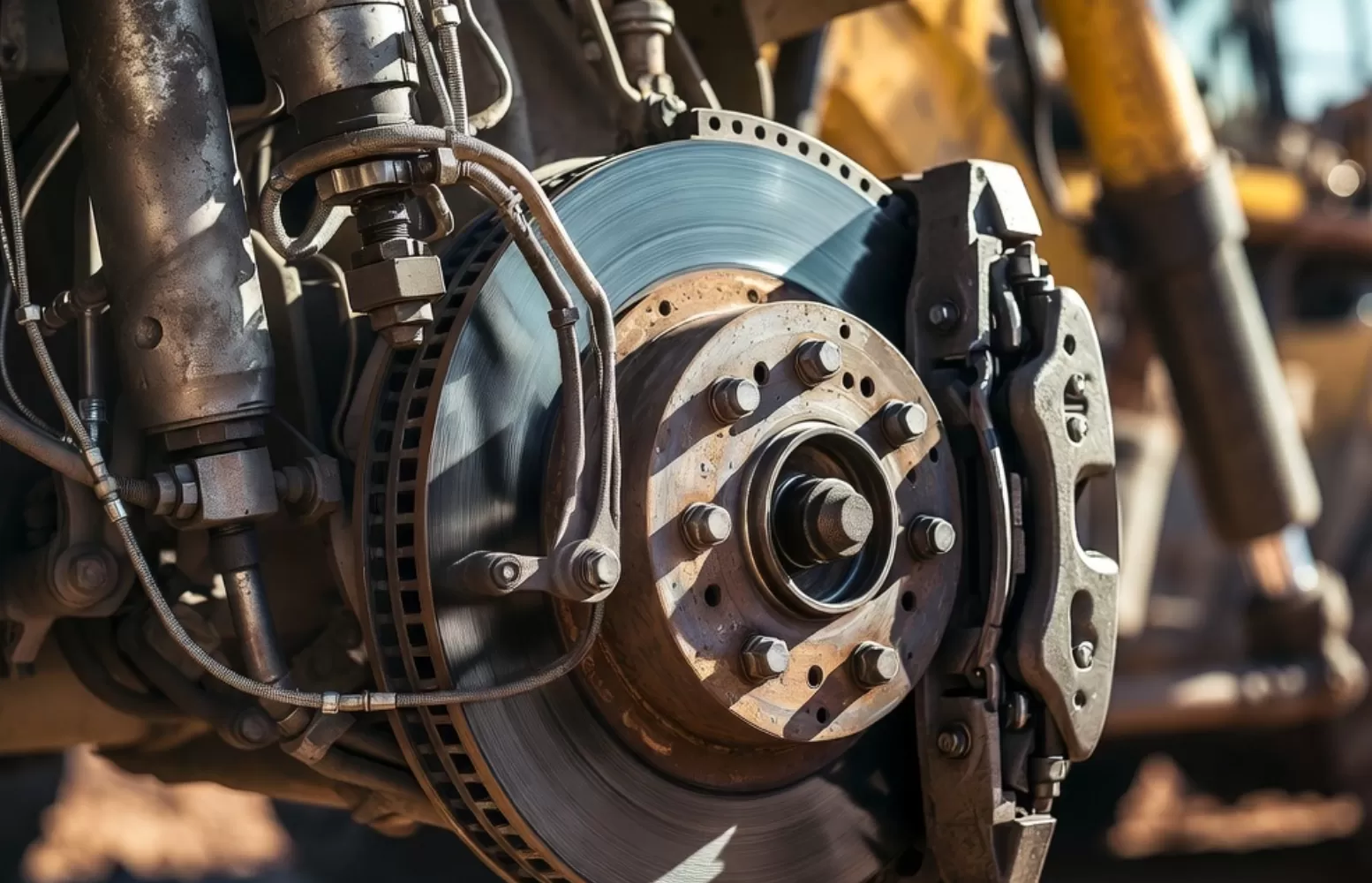
Heavy equipment operates in environments where precision and control are critical. Whether a machine is hauling loads, working on slopes, or operating in confined spaces, the braking system plays a major role in keeping both operators and nearby workers safe. Brake components are not just wear parts; they are essential safety elements that help machines stop smoothly, hold position, and respond predictably under pressure.
Braking System Parts for Heavy Vehicles must perform reliably in extreme conditions. High heat, dust, vibration, and constant load all place stress on braking systems. Choosing the right parts and maintaining them properly helps reduce risks while supporting steady machine performance.
How Braking Systems Protect Operators
Modern braking systems rely on multiple brake components working together. These include discs, drums, pads, calipers, and hydraulic or air control systems. Each part has a specific function, but they all share one goal: converting motion into controlled stopping force.
When braking system parts function correctly, the operator can slow or stop the machine with confidence. Consistent braking response also helps prevent sudden movements that could damage loads, destabilize equipment, or cause injuries.
The Importance of Quality in Brake Components
Brake components experience constant friction and heat during operation. Poorly matched or worn parts reduce braking efficiency and can lead to longer stopping distances. In heavy equipment, even small delays in stopping can create serious safety concerns.
High-quality parts are designed to handle pressure and temperature changes without losing grip or structural integrity. Braking System Parts for Heavy Vehicles must be able to perform under repeated use while maintaining consistent contact with rotating surfaces.
Common Signs of Brake System Wear
Brake issues often develop gradually. Early warning signs should never be ignored, as they indicate that brake components are no longer working as intended. Common symptoms include reduced braking power, unusual noises during operation, vibration in the brake pedal, and longer stopping distances.
Some machines may also show warning indicators or changes in pedal feel. These signs usually point to worn pads, damaged discs, or fluid issues within the braking system. Addressing these problems early helps prevent complete brake failure and protects other connected systems.
Why Maintenance Matters
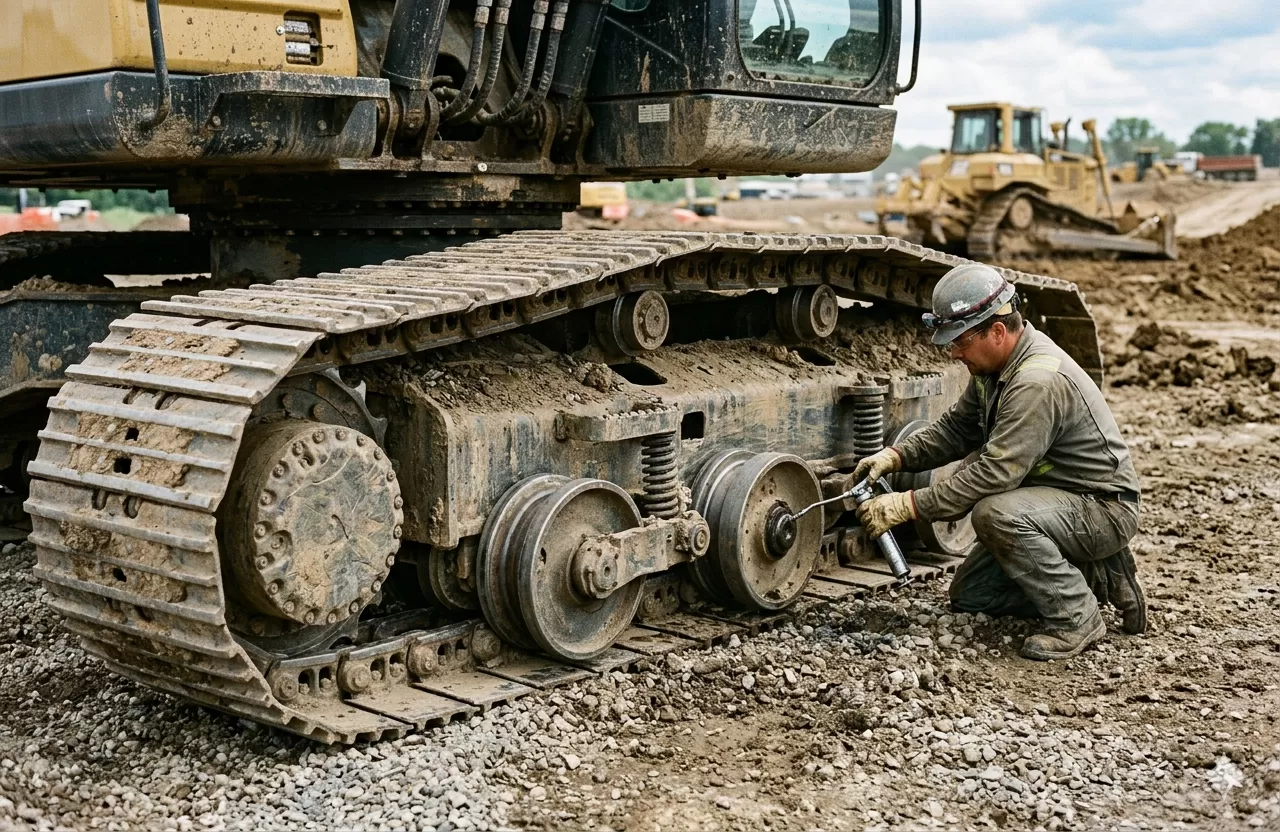
Regular inspection and maintenance are critical for keeping braking systems reliable. Dirt, moisture, and heat can affect how brake components perform over time. Routine checks help identify uneven wear, fluid leaks, or misalignment before they lead to unsafe conditions.
Maintenance also ensures that braking system parts remain properly adjusted. Balanced braking across all wheels or tracks improves stability and reduces stress on individual components.
Repair or Replace: Making the Right Choice
Some brake issues can be corrected through adjustment or minor repairs, but many situations require replacement. When replacement is necessary, part selection becomes extremely important.
When replacing, choose genuine or high-quality aftermarket parts that meet or exceed OEM specifications. This approach ensures proper fit, dependable stopping power, and long-term durability. Premium aftermarket brake components provide a reliable option when selected carefully and installed correctly.
Why Brake Safety Impacts Productivity
Reliable brakes do more than protect operators. They also improve workflow and reduce downtime. Machines with responsive braking systems can operate more smoothly in tight spaces and on uneven terrain. This reduces the chance of accidental impacts, load shifts, and mechanical strain.
When brake components function properly, operators can focus on their tasks instead of compensating for weak or inconsistent braking. This leads to better job site efficiency and lower long-term repair costs.
The Bigger Picture of Brake System Reliability
Brake systems are designed to work as a complete unit. Replacing one part without considering the rest of the system can cause uneven performance. Balanced components ensure equal pressure distribution and consistent braking response.
Braking System Parts for Heavy Vehicles must work together to maintain control and safety in high-demand environments. Investing in proper parts and maintenance supports both short-term safety and long-term machine reliability.

About the Author

Related Posts
Common Heavy Equipment Issues and the Caterpillar Parts You Need to Fix Them
Common Causes of Heavy Equipment Engine Breakdown (and How to Prevent Them)
Engine Mounts: How They Reduce Vibration and Extend Equipment Life
Top Heavy Equipment Parts Contractors Should Keep in Stock