Worldwide Shipping

Engine Mounts: How They Reduce Vibration and Extend Equipment Life

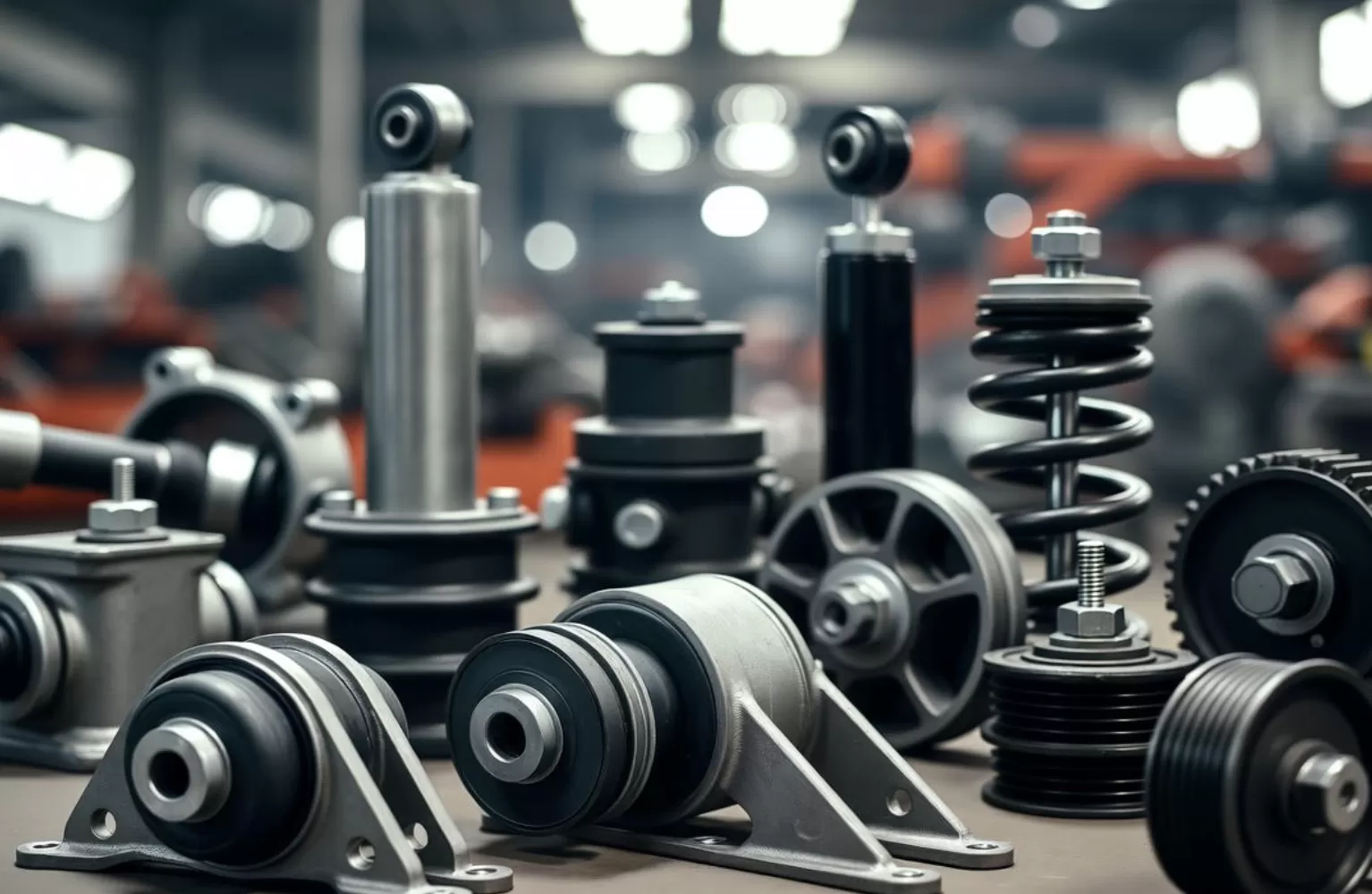
Every heavy equipment engine generates powerful vibrations during operation. While these vibrations are a normal part of diesel performance, they can cause long-term damage if not properly managed. This is where engine mounts play a vital role.
Engine mounts act as the cushion between your engine and the equipment frame, absorbing vibrations and minimizing movement. Over time, however, these mounts wear out leading to excessive shaking, misalignment, and even component failure. Knowing when to inspect and replace them can make a significant difference in equipment longevity and operator comfort.
What Do Engine Mounts Actually Do?
Engine mounts are more than just rubber pads under the engine; they're precision components designed to isolate vibration and maintain stability. Typically made of a combination of metal and rubber, they serve two critical functions:
- Vibration absorption: Mounts dampen engine movement to reduce stress on nearby components.
- Position control: They hold the engine securely in place, even during heavy loads or rough operation.
Without proper mounts, vibration can transfer directly into the frame, leading to increased wear, loose fittings, and potential cracks over time. In heavy machinery, where engines operate under intense torque, a strong and well-maintained mount is essential for performance and safety.
How Engine Mounts Reduce Diesel Engine Vibration
One of the most common issues operators face in diesel-powered equipment is excessive vibration. Faulty or worn-out mounts often cause this. When engine mounts degrade, the balance between the engine and frame is disrupted, and the vibration no longer stays isolated.
Modern engine mounts use vibration-dampening materials that can handle high torque from diesel engines while maintaining stability. When they are in good condition, they:
- Absorb vibrations caused by engine combustion.
- Prevent excessive shaking in the cabin and chassis.
- Reduce noise and improve operator comfort.
- Protect nearby components from vibration-related fatigue.
If you’re looking for an effective diesel engine vibration fix, regular inspection and timely heavy machinery mount replacement is key.
Signs You Need Engine Mount Replacement
Like other engine components, mounts don’t last forever. They can crack, compress, or separate from their housing over time especially under heavy-duty conditions.
Here are a few warning signs that indicate engine mounts may need replacement:
- Excessive vibration: The most obvious sign that your mounts are worn or broken.
- Clunking or banging noises: Loose engine movement during startup or acceleration often points to mount failure.
- Visible wear or cracks: Rubber components that look torn or separated need immediate attention.
- Engine misalignment: If the engine appears tilted or shifted, a mount may have collapsed.
- Increased noise: Poor vibration isolation causes more noise to transfer to the cabin or frame.
Addressing these issues early prevents additional strain on the drivetrain, exhaust, and other connected systems.
Why Timely Heavy Machinery Mount Replacement Matters
Replacing engine mounts as soon as wear appears is a smart way to protect your heavy equipment investment. Ignoring damaged mounts can lead to uneven vibration, frame stress, and even engine misalignment that affects performance.
A timely heavy machinery mount replacement can provide several long-term benefits:
- Reduced wear and tear on the engine and transmission.
- Smoother operation and better handling for operators.
- Lower repair costs by preventing related component failures.
- Extended equipment lifespan, improving your return on investment.
When purchasing replacement mounts, ensure they meet OEM specifications to guarantee proper fit and reliable vibration control.
Choosing the Right Engine Mounts for Heavy Equipment
Selecting the correct engine mount depends on your engine type, equipment design, and operating conditions. Not all mounts are built alike; their design, stiffness, and material composition vary based on the machine’s torque and vibration levels.
Here’s what to consider before buying replacement mounts online:
- Material composition: Look for high-grade rubber or polyurethane for better vibration absorption.
- Mount design: Choose the correct type — solid, hydraulic, or insulated — depending on your machinery.
- Compatibility: Confirm that the mount meets or exceeds OEM expectations for your specific engine model.
- Supplier reliability: Purchase from verified online stores specializing in heavy equipment parts.
Proper selection ensures stability, vibration reduction, and overall operational efficiency.
Maintenance Tips for Longer Mount Life
Preventive maintenance can extend the life of your engine mounts and minimize vibration issues.
Follow these best practices:
- Inspect mounts regularly during oil changes or major services.
- Keep an eye out for oil leaks, as oil can deteriorate rubber-based mounts.
- Tighten engine bolts to proper torque specifications.
- Avoid overloading or operating the equipment on unstable ground for long periods.
- Replace all mounts together to maintain balance and alignment.
Routine maintenance ensures that your mounts continue to protect your engine effectively and reduce long-term vibration damage.
Engine mounts might not be the most visible part of your heavy machinery, but their role in reducing vibration and extending equipment life is undeniable. By maintaining them properly and replacing them when needed, you protect your diesel engine from long-term damage and ensure smoother, quieter operation.
When choosing replacement mounts, always go for parts that meet OEM specifications and source them from reliable online heavy equipment parts suppliers. A small component like an engine mount can make a big difference in keeping your machine running strong for years to come.
About the Author

Related Posts
Common Heavy Equipment Issues and the Caterpillar Parts You Need to Fix Them
Common Causes of Heavy Equipment Engine Breakdown (and How to Prevent Them)
Top Heavy Equipment Parts Contractors Should Keep in Stock
Why High-Quality Brake Components Matter for Heavy Equipment Safety