Worldwide Shipping

How Turbochargers Improve Heavy Machinery Power and Fuel Economy


Modern heavy machinery equipment relies on strong engine performance to handle demanding workloads. One component that significantly enhances both power and efficiency is the turbocharger. Whether you're operating loaders, excavators, or haul trucks, it is important to understand how your turbocharger helps improve productivity and reduce fuel consumption across your fleet.
This guide explains how turbochargers work, why they matter, and how proper heavy equipment turbo maintenance keeps your machines running at peak performance.
How Turbochargers Improve Power and Fuel Economy
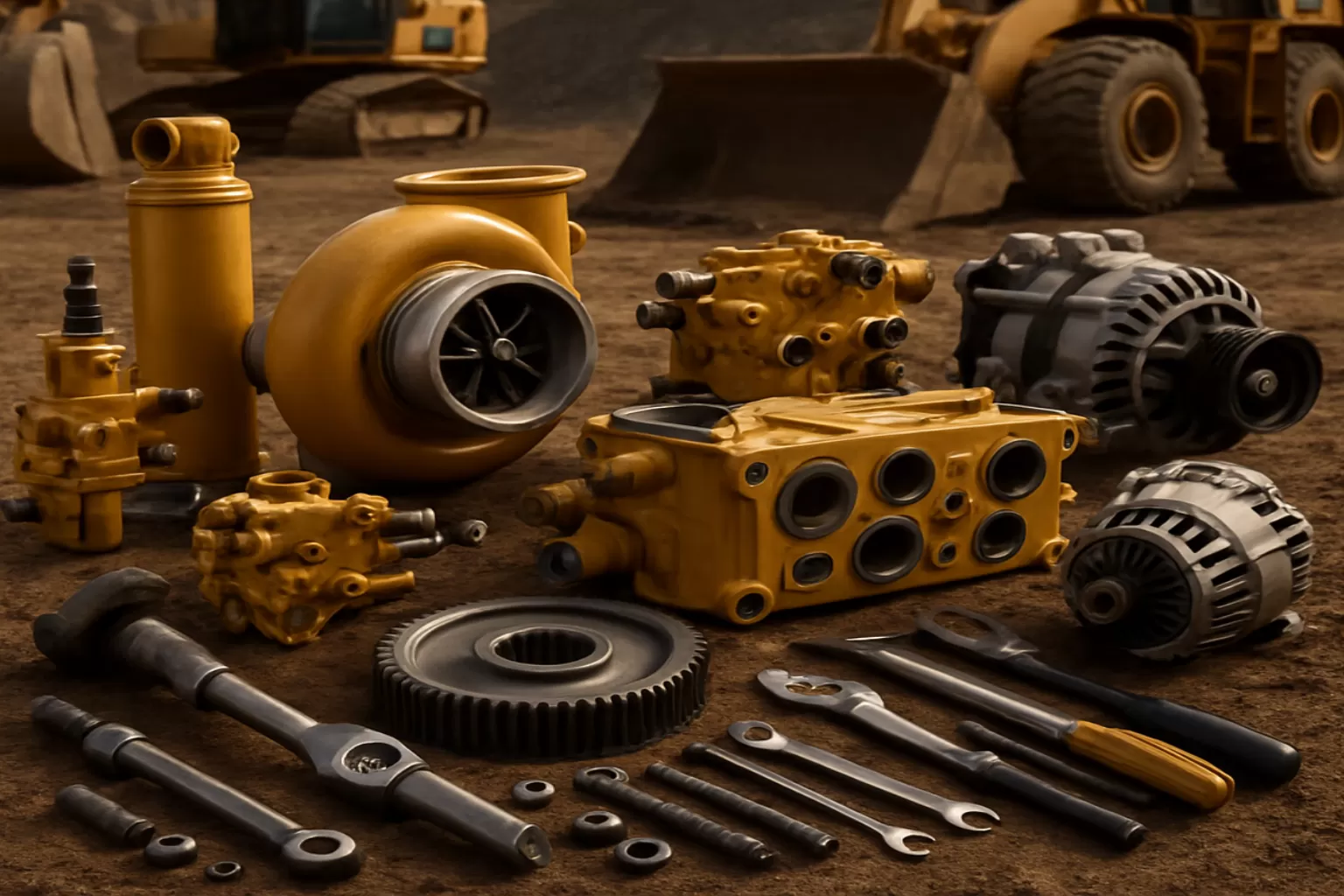
Turbochargers force more air into the engine’s combustion chamber, enabling more efficient fuel burn and greater engine output. This simple concept delivers major performance gains in heavy machinery.
Increased Horsepower and Torque
One of the biggest benefits of having a properly functioning turbocharger is the immediate boost in power. By compressing air and improving combustion, turbochargers allow engines to produce more torque without needing larger displacement engines. This gives heavy machinery equipment stronger pushing, digging, and hauling capabilities.
Better Fuel Efficiency
With improved air intake and combustion, machines burn fuel more efficiently. A properly functioning turbocharger helps reduce fuel waste, allowing operators to complete more work using less fuel, a major advantage for businesses managing large fleets.
Enhanced Performance at Higher Altitudes
Heavy machinery equipment often operates in environments where thin air can reduce engine power. Turbochargers help overcome this by compressing air before it enters the engine, maintaining strong performance even in challenging terrain.
Cleaner, More Efficient Exhaust Output
Turbochargers improve combustion efficiency, which can help reduce emissions and produce a cleaner exhaust flow. This also helps engines run smoother and more consistently throughout long working hours.
Essential Heavy Equipment Turbo Maintenance Tips
Proper maintenance ensures long-term performance and prevents costly downtime.
- Keep Air Filters Clean: Dirty air filters restrict airflow, forcing the turbo to work harder and potentially causing premature wear.
- Use High-Quality Lubricants: Clean oil reduces friction and protects turbo bearings. Follow recommended oil change intervals.
- Monitor Boost Pressure: Irregular boost levels can indicate leaks, clogged filters, or turbine issues.
- Inspect Hoses and Clamps: Loose connections can cause air leaks and reduce turbo efficiency.
- Warm Up and Cool Down the Engine: Allow the engine to idle briefly before shutdown to prevent heat damage to the turbo.
- Replace Worn Turbos With Quality Parts: When replacing, choose genuine or high-quality aftermarket parts that meet or exceed OEM specifications to ensure long-term durability and proper fit.
Why Upgrading Your Turbo Makes a Difference
Over time, worn or underperforming turbos can reduce engine output. Upgrading or replacing the turbocharger helps restore full power, improve fuel economy, and reduce stress on other engine components. High-quality aftermarket options offer a reliable and cost-effective solution without compromising performance.

About the Author

Related Posts
Why Proper Piston Pin Fitment is Critical for Engine Longevity
Importance of Equalizer Bars for Smooth Track Frame Movement
How to Diagnose Alternator Failure in Heavy Equipment
How to Maintain Radiator Cores for Maximum Cooling Efficiency
The Complete Excavator Undercarriage Guide for Maximum Performance