Worldwide Shipping

Why Turbochargers Are Critical for Heavy Equipment Performance

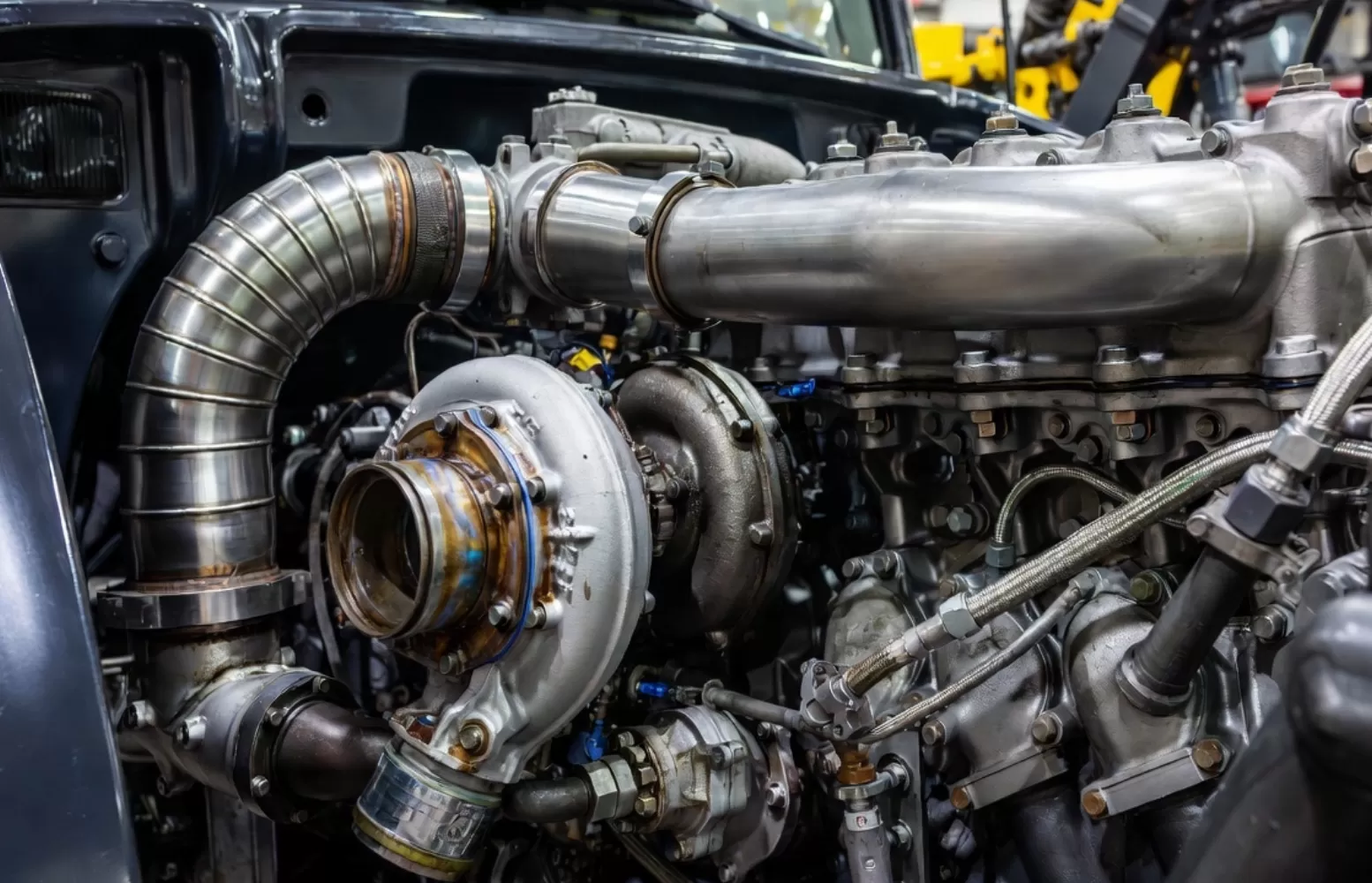
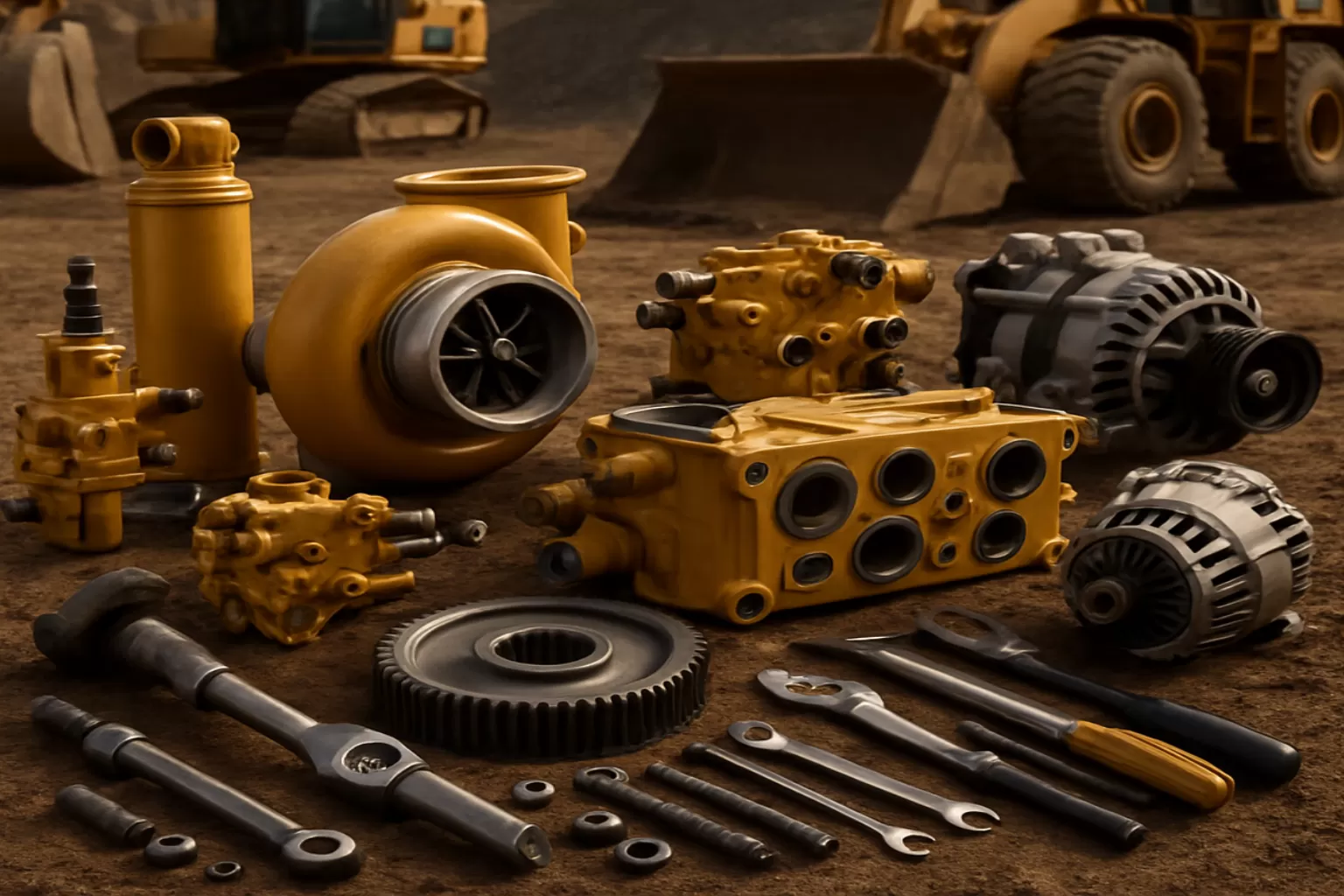
Turbochargers play a key role in how modern heavy equipment operates. From loaders and excavators to dozers and haul trucks, these machines rely on controlled airflow to produce the power needed for demanding jobs. Heavy Equipment Turbochargers are designed to increase engine efficiency while supporting higher torque and consistent performance under load.
Instead of relying only on natural air intake, a turbocharger forces compressed air into the engine. This allows more fuel to burn during each cycle, which means more power without increasing engine size. For machines that work long hours in tough conditions, this balance between power and efficiency is essential.
How Turbochargers Improve Machine Performance
Heavy equipment engines are built to handle extreme workloads, and turbochargers help them do that more effectively. By improving air intake and combustion, turbo systems allow engines to maintain steady output even when operating uphill, carrying heavy loads, or working at high elevations.
Better airflow also supports cleaner combustion. When the air-to-fuel mixture burns more completely, the engine runs smoother and produces more usable power. This is why Heavy Equipment Turbochargers are considered a core component of modern diesel engine systems.
Common Turbo Failure Symptoms
Turbochargers operate in high-heat and high-pressure environments, which makes regular inspection important. When a turbo begins to fail, the engine often shows warning signs before complete breakdown occurs. Typical turbo failure symptoms include noticeable power loss, increased exhaust smoke, higher fuel consumption, and unusual whistling or grinding noises.
Some machines may also show delayed throttle response or struggle to maintain speed under load. These symptoms should never be ignored, as continued operation with a failing turbo can cause damage to other diesel engine turbo parts and internal engine components.
Why Turbo Health Affects Safety and Productivity
A properly functioning turbocharger supports stable engine operation. When airflow and combustion remain balanced, machines respond predictably to operator input. This helps prevent sudden power drops or irregular performance during lifting, grading, or hauling tasks.
When heavy equipment turbochargers begin to fail, performance becomes inconsistent. This can reduce productivity and increase risk, especially when machines operate in confined spaces or on uneven terrain. Keeping the turbo system in good condition supports both operational safety and job efficiency.
The Role of Maintenance in Turbo Performance
Regular maintenance is one of the most effective ways to extend turbocharger life. Clean air intake systems, proper lubrication, and timely oil changes reduce stress on turbo components. Contaminated oil or restricted airflow is one of the most common causes of turbo damage.
Routine inspections also allow technicians to check hoses, seals, and connections linked to diesel engine turbo parts. Catching minor issues early can prevent major failures and unexpected downtime.
Repair or Replacement: Making the Right Choice
Not all turbo problems require full replacement. Some issues, such as loose fittings or minor oil leaks, can be corrected through basic repairs. However, internal damage or worn bearings usually mean replacement is the best solution.
When replacing, choose genuine or high-quality aftermarket parts that meet or exceed OEM specifications. This approach ensures proper fit, reliable airflow control, and long-term durability. Premium aftermarket turbochargers provide a dependable option when selected carefully and installed correctly.
Why Turbochargers Deserve Attention
Turbochargers are often overlooked until performance drops, yet they directly influence how efficiently an engine operates. They support higher power output without increasing engine size and help engines maintain consistent performance in demanding work conditions.
A single failing turbo can reduce productivity, raise fuel costs, and shorten engine life. Understanding turbo failure symptoms and acting early helps protect both the machine and the investment behind it.

About the Author