Worldwide Shipping

When to Replace Connecting Rods in Your Heavy Equipment Engine

When to Replace Connecting Rods in Your Heavy Equipment Engine
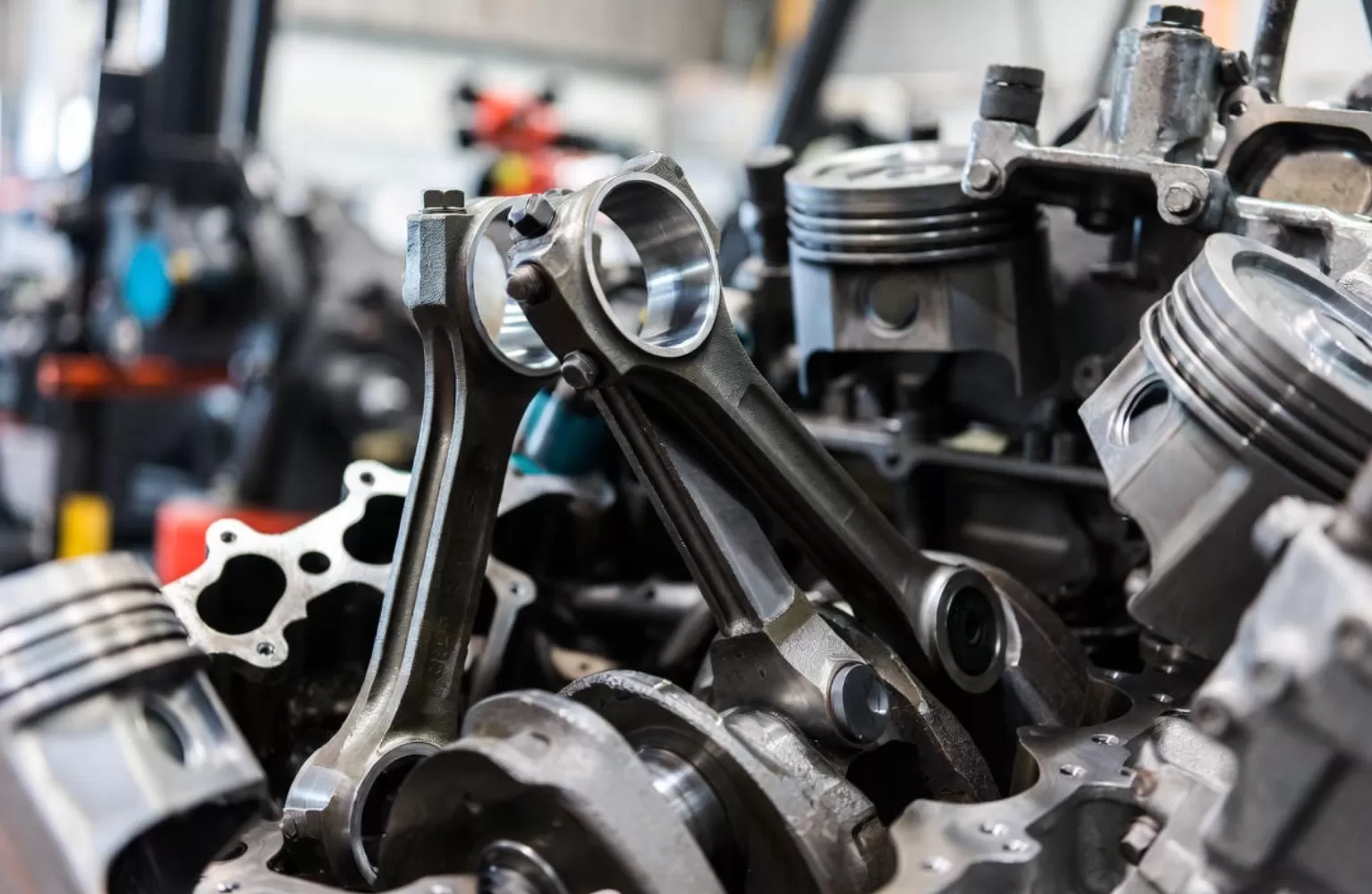
The connecting rod is one of the most critical components in any diesel engine, transferring force from the piston to the crankshaft. Over time, wear, high load stress, or poor lubrication can lead to damage that directly affects performance and reliability. Knowing when to replace connecting rods can prevent catastrophic engine failure and costly downtime.
A connecting rod endures tremendous pressure with every engine cycle. When it starts to bend, crack, or develop excessive bearing clearance, it can lead to knocking noises, vibration, or even a complete engine seizure. Recognizing the early signs of diesel connecting rod failure helps operators make timely decisions before these symptoms worsen.
Key Warning Signs of Connecting Rod Damage
- Knocking or metallic noise during operation: This often comes from worn bearings or stretched connecting rods.
- Unusual vibration or imbalance: Indicates uneven wear or misalignment within the engine assembly.
- Low oil pressure readings: May suggest worn bearings or oil flow restriction through the rod journals.
- Metal shavings in oil filters: A strong indicator of internal wear or friction in components like the rod bearings.
- Reduced engine performance or power loss: Compression issues caused by bent connecting rods can reduce output efficiency.
These symptoms point to the need for immediate inspection and possible heavy-duty engine rod replacement before further engine damage occurs.
Replacement Considerations
Before installing replacement connecting rods, technicians should ensure the new parts meet or exceed OEM expectations. Using properly balanced and precision-machined rods helps maintain crank alignment and bearing life.
During replacement, verify the crankshaft condition, bearing clearances, and lubrication paths. Always replace connecting rod bolts and nuts, as reuse can cause uneven torque or failure under load.
For heavy equipment engines that operate under extreme stress, preventive maintenance intervals are crucial. Replace the rods at the first sign of fatigue, particularly if the machine is exposed to long operating hours, high temperatures, or heavy torque conditions.
Why Quality Matters in Rod Replacement
Choosing genuine or high-quality aftermarket connecting rods that meet OEM specifications ensures performance consistency and durability. Inferior materials can fail prematurely, leading to higher repair costs and unexpected machine downtime. By sourcing from reliable aftermarket distributors, you can balance affordability with trusted engineering quality.

About the Author

Related Posts
Ultimate Guide to Caterpillar Tools and Component Replacement for Heavy Equipment
Top Heavy Equipment Parts Contractors Should Keep in Stock