Worldwide Shipping

How to Replace Heavy Equipment Turbochargers Safely and Efficiently

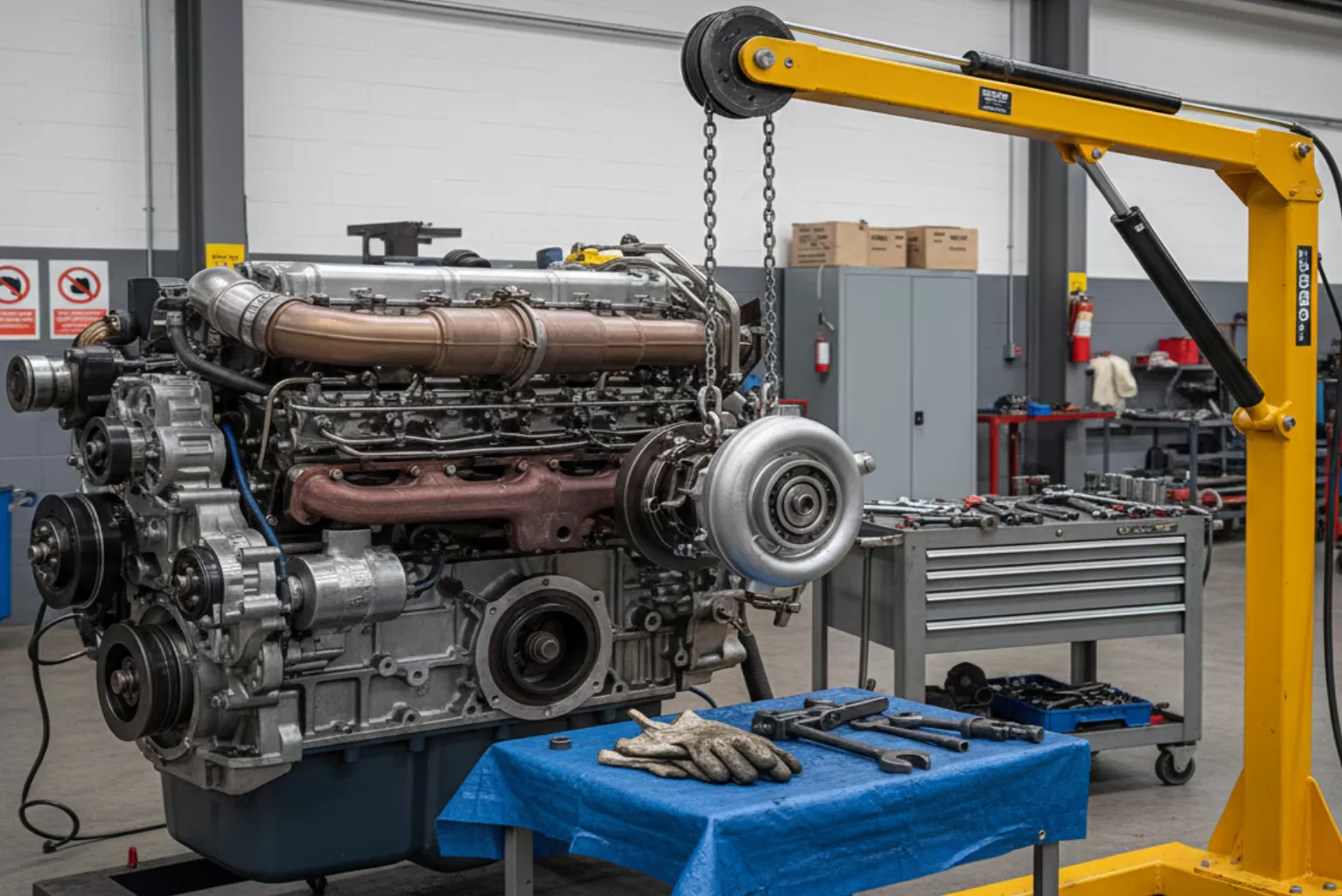
Heavy-duty engines work under extreme conditions, and their performance relies on several critical engine components working together. One of the most essential parts is the turbocharger, which boosts power and helps equipment handle demanding jobs. Over time, turbochargers can wear out due to high temperatures, oil contamination, or irregular maintenance. Knowing how to safely and efficiently replace a caterpillar turbocharger will not only restore your machine’s performance but also prevent costly downtime.
This guide covers the preparation, replacement process, related maintenance, and aftercare tips for getting the most out of your new turbocharger.
Why Turbocharger Replacement Is Important
A turbocharger forces extra air into the combustion chamber, improving fuel burn and generating more power. If it begins to fail, the machine might produce excess smoke, lose efficiency, or require frequent repairs. Ignoring turbo issues can damage associated caterpillar engine components, including the exhaust system, fuel pump, and cooling fans. Timely replacement ensures:
- Improved fuel efficiency
- Reduced engine stress and overheating
- Optimized power for heavy workloads
- Longer lifespan of other engine systems
Preparing for Turbocharger Replacement
Before diving into the replacement process, preparation is key to ensuring both safety and efficiency. A heavy equipment turbocharger operates under extreme heat and pressure, so making sure the engine is cool, the battery is disconnected, and essential tools and replacement filters are on hand will help avoid delays. This is also the right time to inspect related systems such as the fuel pump, cooling fans, and exhaust components, to ensure they are in good condition and won’t compromise the installation. Before starting the job, proper preparation is key:
- Cool Down the Engine – Always allow the engine to cool completely to avoid burns or metal warping.
- Disconnect Power Supply – Shut down the machine and disconnect the battery to prevent electrical hazards.
- Inspect Related Systems – Check the condition of the caterpillar fans, caterpillar fuel pump, and caterpillar exhausts. These systems directly influence airflow, cooling, and combustion balance.
- Gather Tools and Replacement Filters – Always have new oil filters, fuel filters, and hydraulic filters available, since these should be replaced alongside the turbocharger.
Step-by-Step Turbocharger Replacement
Replacing a turbocharger is a structured process that should be approached methodically to prevent mistakes or damage to surrounding parts. By following each step carefully, from inspecting the current turbocharger to priming the new unit with oil, you can avoid common pitfalls and ensure optimal results. This section will guide you through disconnection, removal, installation, and testing in a way that prioritizes engine health and long-term performance.
Inspect the Old Turbocharger
Look for signs of damage such as cracked housings, oil leaks, or worn turbine blades. This helps identify underlying issues, like poor lubrication or clogged filters.
Disconnect Air Intake and Exhaust
Remove intake piping and exhaust connections carefully. Save gaskets and note bolt placement for smooth reinstallation.
Drain Oil Lines
Since lubrication is critical, carefully disconnect oil lines from the turbocharger. Ensure no dirt or debris enters the open ports.
Remove the Turbocharger
Unbolt the unit from its mounting brackets and carefully lift it away. Take note of orientation and connection points.
Check Filters and Supporting Components
Install new fuel filters, oil filters, and hydraulic filters to prevent contaminants from damaging the new turbo. Inspect cooling fans and exhaust pipes for blockages or wear.
Install the New Turbocharger
Position correctly and hand-tighten bolts before fully securing them. Ensure all connections meet OEM specifications to prevent leaks and misalignment.
Prime Lubrication
Fill the turbo with engine oil before startup. This step reduces the risk of a dry start, which can destroy bearings in seconds.
Reassemble and Test
Reconnect intake, exhaust, and oil lines. Start the engine at idle speed and let it run for several minutes while checking for leaks, unusual sounds, or smoke.
Aftercare and Best Practices
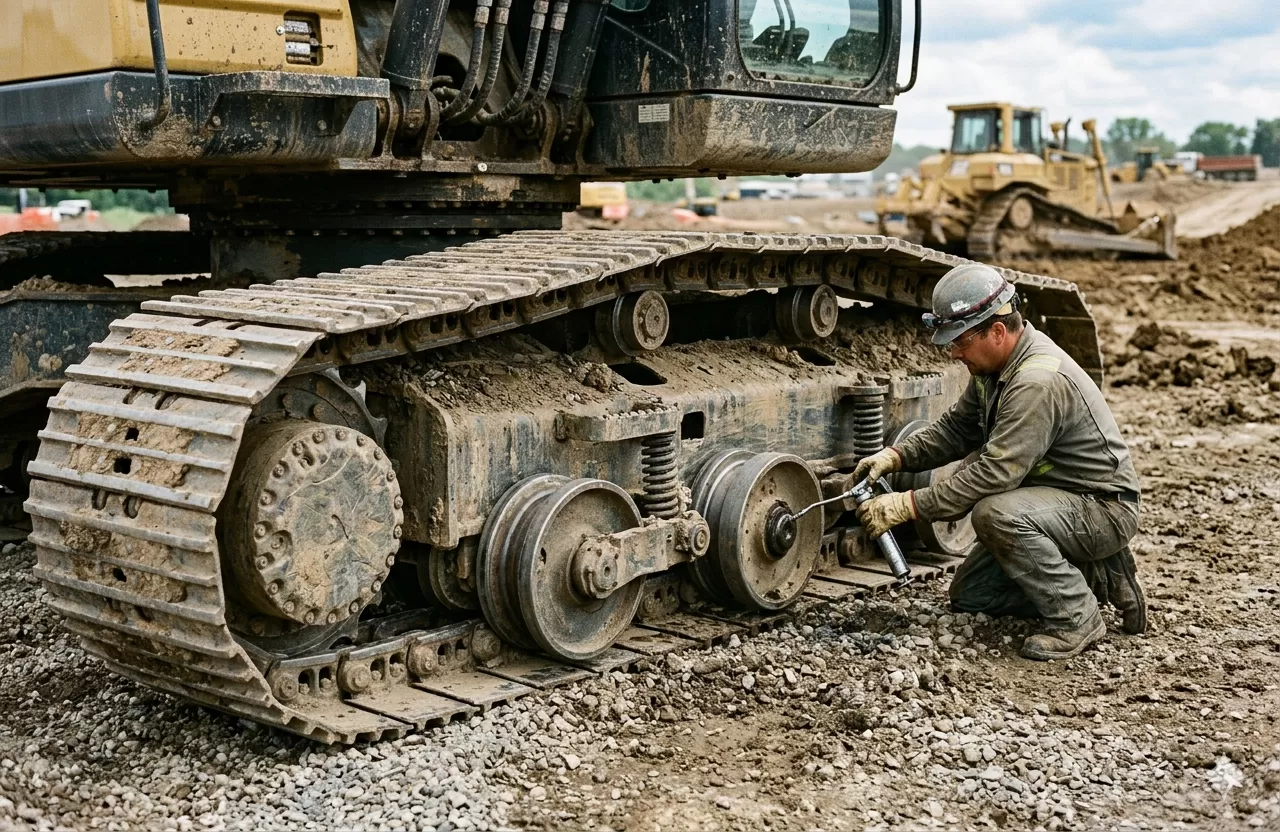
Once the turbocharger has been installed, proper aftercare is crucial to maintaining performance and preventing premature wear. Ongoing maintenance activities, such as regular oil changes, consistent filter replacements, and monitoring of exhaust and cooling systems play a vital role in extending the lifespan of the new turbo. By adopting these best practices, operators can keep their engines running efficiently and minimize costly downtime. Installing a turbocharger is only the first step long-term performance depends on proper maintenance.
- Change Oil Regularly – Clean oil keeps turbo bearings lubricated.
- Replace Filters Consistently – Fuel, oil, and hydraulic filters should be checked at every service interval.
- Inspect Exhaust Systems – Ensure smooth airflow and prevent back pressure, which strains the turbo.
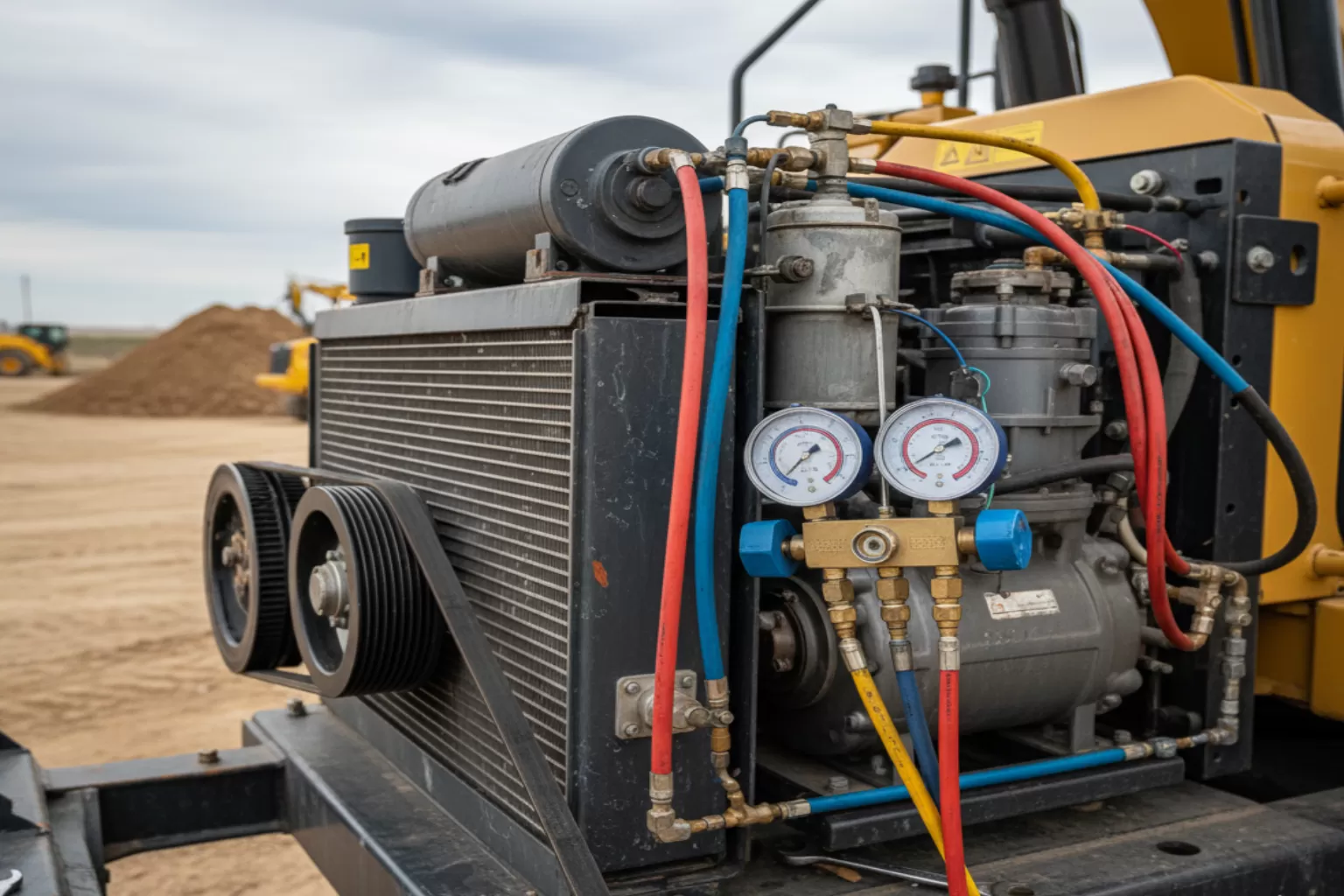
- Maintain Cooling Systems – Reliable caterpillar fans and radiators prevent overheating.
- Log Service Records – Keeping a maintenance log helps predict future servicing needs.

About the Author

Related Posts

How to Use a Caterpillar o-ring Kit: Step-by-Step Guide