Worldwide Shipping

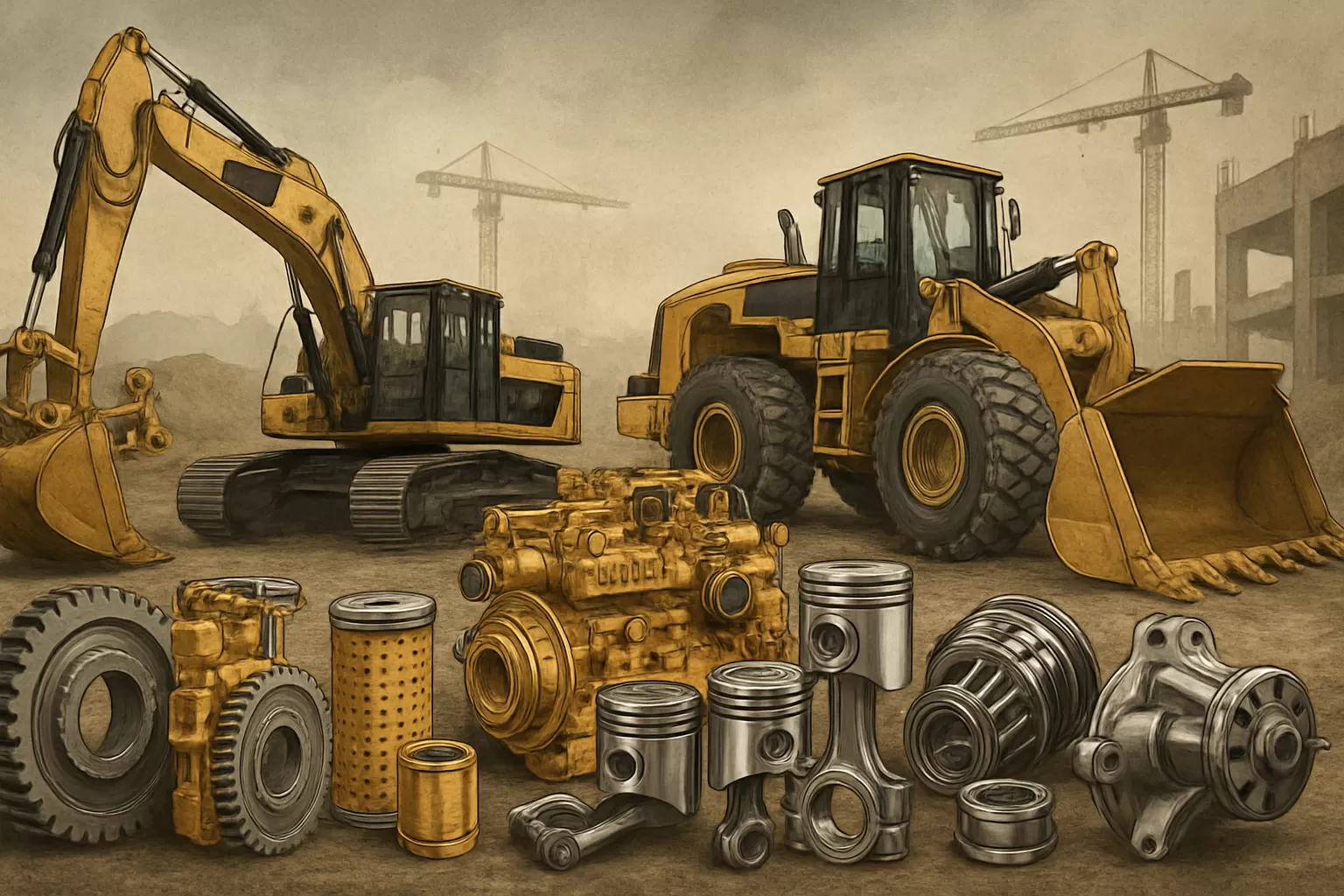
Heavy Equipment Injectors and Filters: Powering Engine Performance

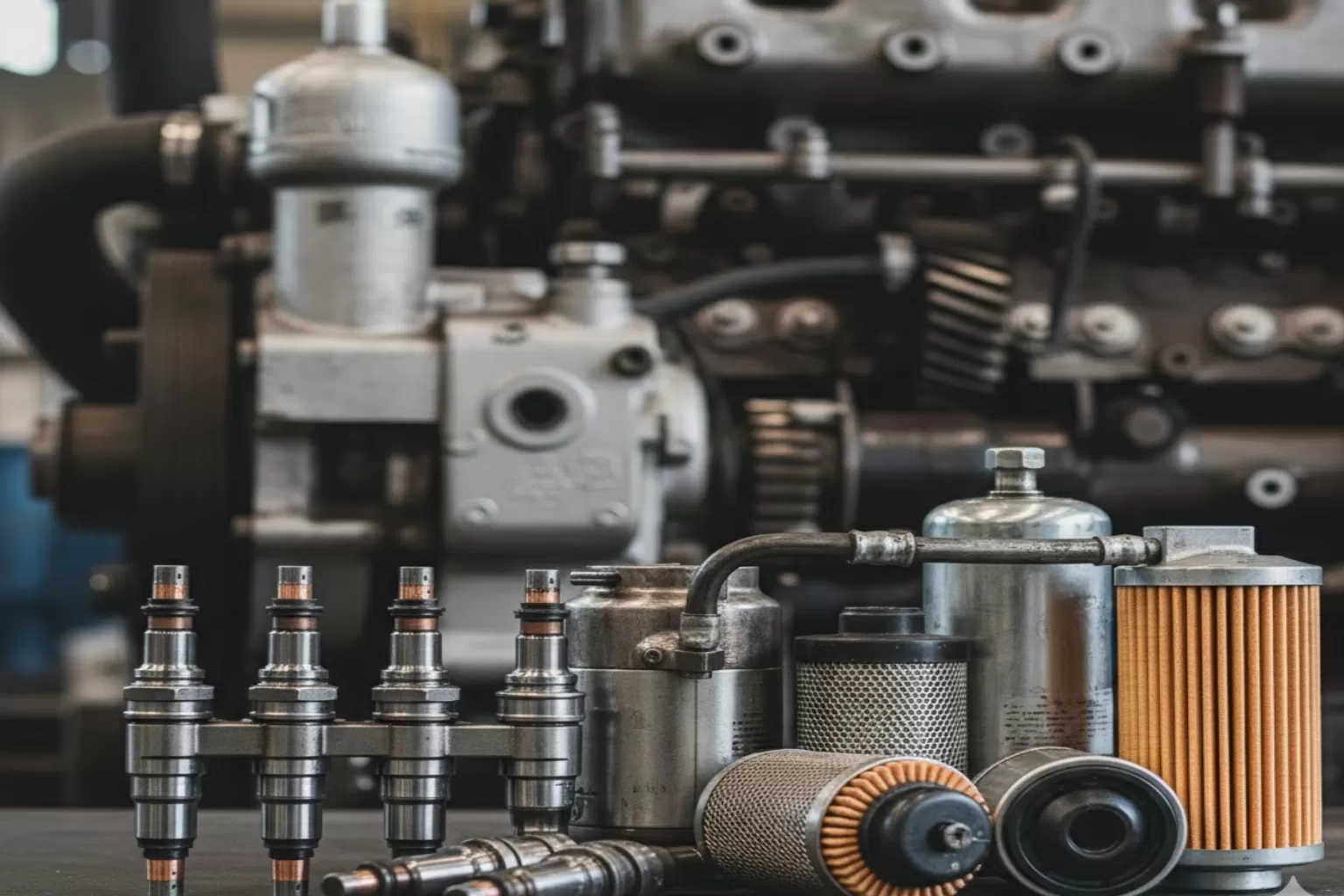
Injectors and Their Role in Heavy Equipment
Injectors are one of the most critical components in a diesel-powered engine. Their primary job is to deliver the right amount of fuel at the right pressure, ensuring efficient combustion and maximum power output. A poorly functioning injector can lead to reduced engine performance, excessive fuel consumption, or even long-term engine damage.
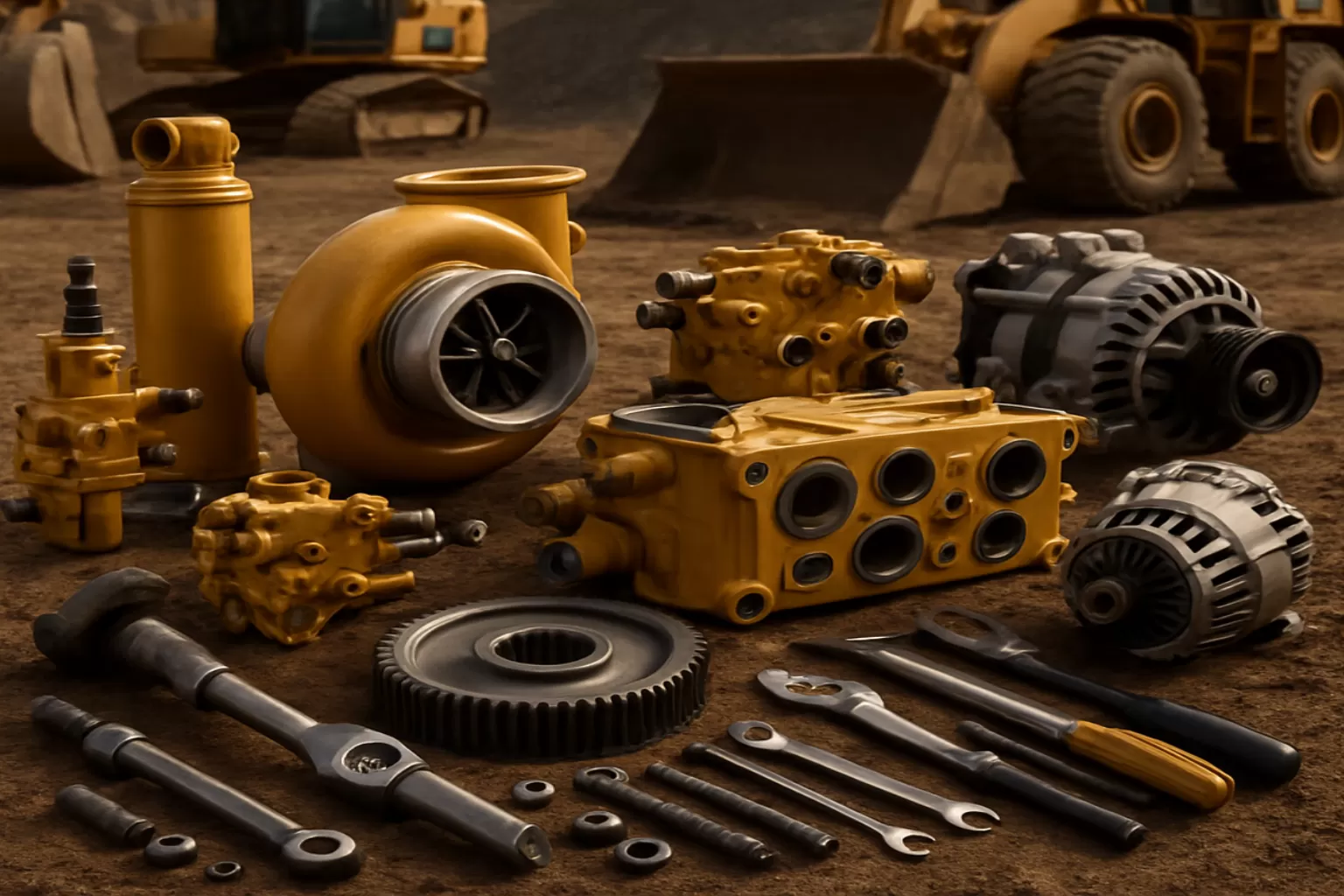
Online platforms now make it easy to order essential heavy equipment injectors and filters, ensuring operators get quick access to replacement parts without delays. With the right injectors and filters, you can maintain fuel efficiency, extend service life, and keep your engines working at full capacity.
Popular Injector Part Numbers
Here are some widely used injector part numbers available for heavy equipment:
- Part Number: 2768307 – Built for consistent fuel delivery under heavy workloads.
- Part Number: 1620218 – Designed for precise injection and efficient engine operation.
- Part Number: 1278225 – Offers reliable atomization in demanding job site conditions.
- Part Number: 1780199 – Supports maximum performance with durable low-maintenance design.
Each injector is ideal for maintaining steady engine output while reducing fuel waste. Pairing injectors with fuel filters, hydraulic filters, and oil filters further enhances protection from contaminants and ensures smooth combustion.
Why Injectors and Filters Work Together
Fuel injectors are highly sensitive to contamination. Even the smallest amount of dirt or water in diesel fuel can disrupt injection patterns and cause engine misfires. That’s why replacing fuel filters for heavy equipment on time is just as important as maintaining injectors.
- Fuel filters prevent debris and water from reaching injectors.
- Hydraulic filters online protect valves, pumps, and cylinders.
- Oil filter replacement provides clean lubrication that reduces wear inside the engine.
Together, injectors and filters give your equipment the balance of power and protection needed to handle demanding operations.
Choosing the right injector
Selecting the correct injector starts with matching the part number to the engine configuration, operating load, and expected duty cycle to ensure proper fuel delivery and combustion efficiency. For common heavy equipment use, part numbers 2768307, 1620218, 1278225, and 1780199 are associated with precise metering at high pressures to maintain smooth power across varying loads. Verifying spray pattern, flow rate, and connector style against service documentation helps avoid drivability issues after installation.
How injectors and filters work together
Fuel injectors depend on clean diesel to maintain accurate atomization, which is why timely fuel filter changes are critical to prevent abrasive wear and clogging that lead to misfires and poor efficiency. High‑efficiency fuel filtration helps stabilize the air‑fuel mix, protecting high‑pressure pumps and injectors while improving fuel economy and reducing emissions in demanding jobsite conditions. Pairing fresh injectors with new fuel filters at installation minimizes contamination risk during the first hours of operation.
Symptoms to check before replacing
Common warning signs include rough idle, hard starts, elevated fuel consumption, smoke under load, and intermittent misfires that often trace back to restricted injector nozzles or inconsistent fuel delivery. If these symptoms appear, inspect for water in fuel, microbial growth, or particulate contamination that can quickly degrade spray quality and accelerate tip erosion. A basic visual check for leaks at injector bodies and lines followed by flow and balance testing can confirm if replacement is warranted.
Maintenance tips that extend injector life
Replace fuel filters at the intervals recommended for the machine’s duty cycle, and drain water separators frequently to prevent corrosion and microbial issues that damage injectors. Use clean storage practices and quality diesel to reduce sediment and moisture ingress, and consider periodic professional cleaning if deposits are suspected to restore spray pattern consistency. Scheduling injector inspection alongside routine filtration service helps catch early wear before it becomes costly downtime.

About the Author