Worldwide Shipping

Faulty Speed Sensors: How They Affect Engine Performance and Safety

Speed sensors play a critical role in the operation of modern heavy equipment. These components continuously measure how fast an engine or rotating part is moving and send that information to the control system. Based on this data, the system adjusts fuel delivery, timing, and machine response. When the speed sensors that heavy equipment rely on stop working correctly, the result is often reduced performance, higher risk of failure, and compromised safety.
Because machine performance sensors operate as part of an integrated system, even one faulty sensor can disrupt how the engine and drivetrain behave. This makes speed sensors essential for both efficiency and operator protection.
What Speed Sensors Actually Do
A speed sensor tracks engine revolutions or shaft rotation and converts that motion into an electrical signal. The control unit uses this information to maintain smooth operation and prevent damage. Accurate speed readings help regulate fuel flow, manage shifting behavior, and activate built-in safety functions when needed.
When the signal becomes inconsistent or incorrect, the control system can no longer respond properly. This is where engine speed sensor failure begins to show noticeable effects.
Symptoms of Engine Speed Sensor Failure
Problems caused by faulty speed sensors often appear gradually but can worsen quickly if ignored. Common symptoms include rough idling, unexpected stalling, delayed throttle response, and reduced power under load. Some machines may also display warning indicators or diagnostic codes when the signal falls outside acceptable ranges.
These signs should never be dismissed as minor issues. A failing sensor can create inaccurate commands that stress other engine components, leading to more expensive repairs.
Impact on Safety and Control
Speed sensors do more than support performance; they directly influence safety systems. Accurate speed data allows the machine to regulate torque, manage traction, and activate protective shutdown features when limits are exceeded. If a sensor sends incorrect information, these safeguards may not function as intended.
This can result in unstable engine behavior, poor braking response, or delayed system reactions in critical situations. Reliable machine performance sensors help ensure predictable operation, especially in demanding work environments where precision and timing matter.
Why Sensor Diagnostics Matter
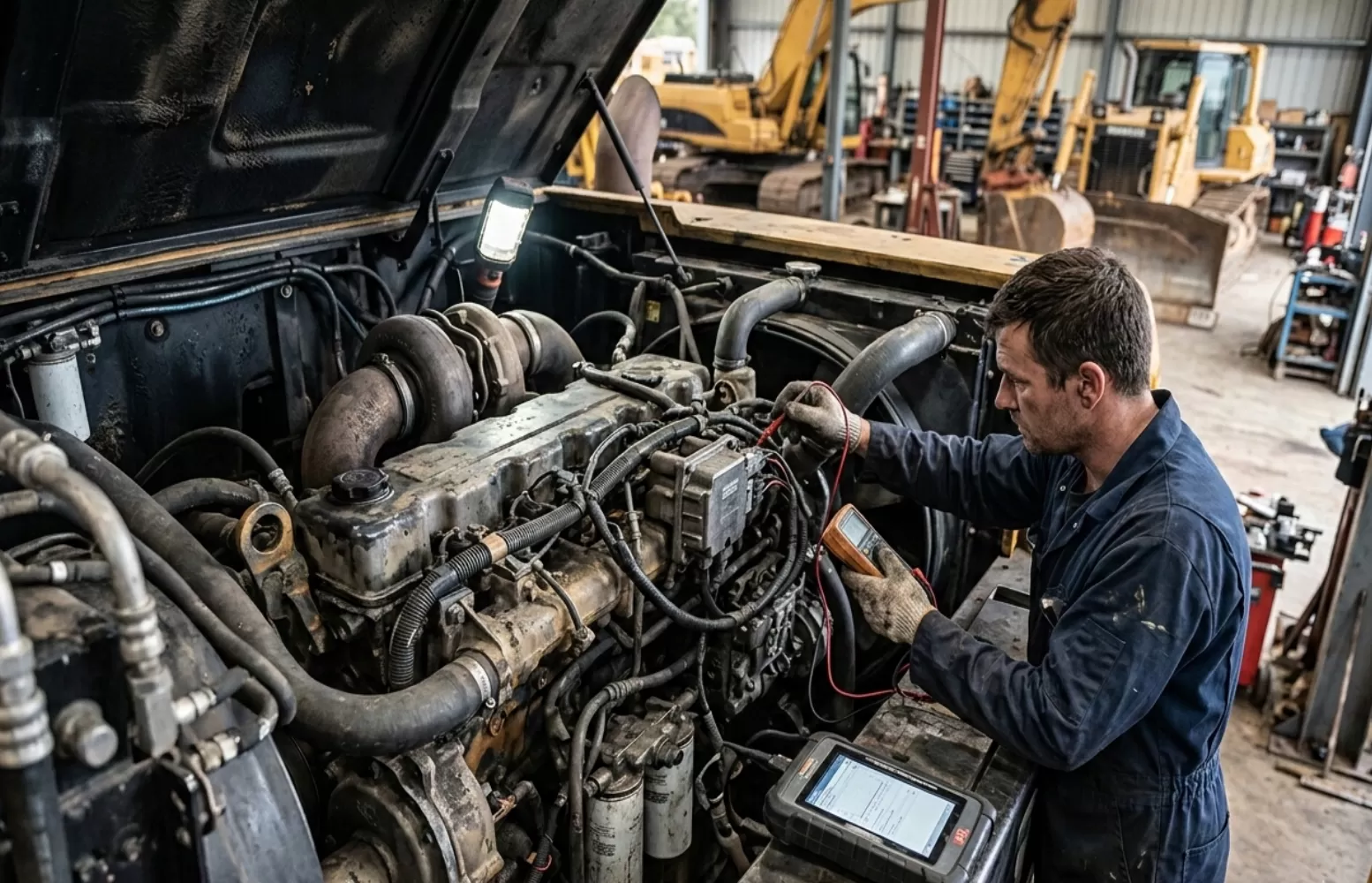
Sensor diagnostics are essential for identifying problems before they lead to downtime or accidents. Diagnostic tools can reveal whether a sensor is producing weak or irregular signals, or if the issue lies in the wiring or connectors. Dirt, vibration, and heat exposure are common contributors to sensor degradation, and these factors are often detected through routine testing.
By incorporating sensor diagnostics into regular maintenance schedules, operators can catch early warning signs and correct them before engine speed sensor failure becomes a serious operational risk.
Repair or Replace: Making the Right Choice
Some sensor issues can be corrected through cleaning or connection repair, but many failures require replacement. When replacement is necessary, it is important to select parts that maintain system accuracy and durability. When replacing, choose genuine or high-quality aftermarket parts that meet or exceed OEM specifications. This ensures compatibility and reliable performance without compromising system integrity.
High-quality aftermarket sensors provide a dependable option when selected correctly and installed according to proper guidelines. After installation, testing is essential to confirm that signal readings and engine response have returned to normal.
Preventing Future Sensor Problems
Preventive care significantly reduces the likelihood of repeat failures. Keeping connectors clean, securing wiring away from heat sources, and performing routine inspections all help extend sensor life. Regular sensor diagnostics also allow technicians to monitor performance trends and address issues before they interrupt operations.
The Speed sensors that machines depend on must withstand harsh conditions. Protecting them through consistent maintenance helps preserve accuracy and machine reliability.
Why Speed Sensors Deserve Attention
Although small in size, speed sensors have a large influence on how engines operate and how safe equipment remains in real-world conditions. From regulating fuel timing to triggering protective responses, these components support nearly every stage of machine operation.
A single engine speed sensor failure can reduce productivity, increase fuel consumption, and compromise safety. Understanding their role and responding quickly to early symptoms allows operators and fleet managers to protect their machines and avoid unnecessary downtime.
About the Author