Worldwide Shipping

Everything You Need to Know About Heavy Equipment Sensors

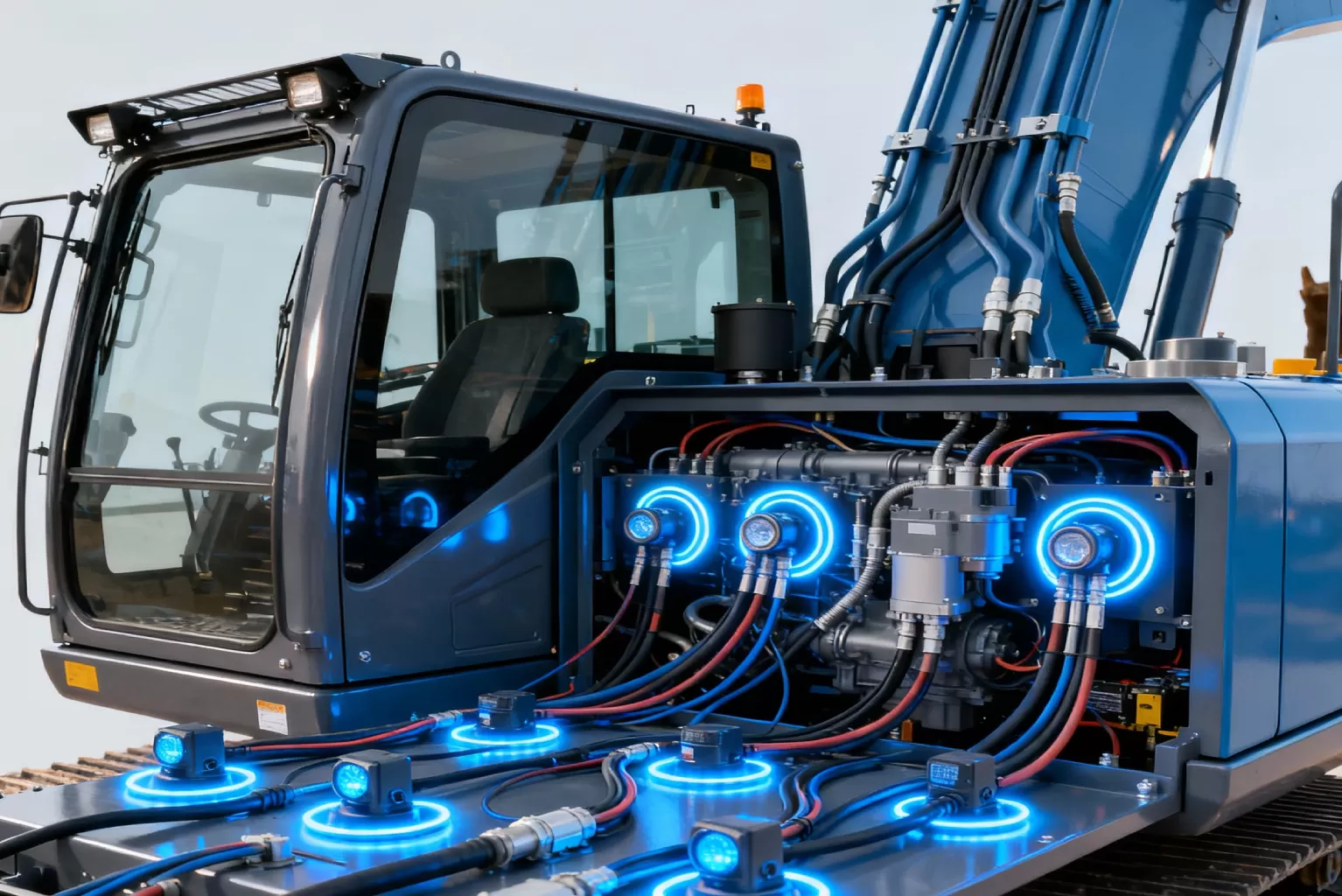
Modern heavy equipment like Caterpillar machinery are more advanced than ever. Today’s machinery depends on sensors to monitor, measure, and communicate crucial data that keeps operations safe, efficient, and productive. Whether it’s tracking fuel pressure, monitoring hydraulic systems, or detecting temperature shifts, sensors act as the “nerve system” of heavy equipment.
Two commonly used sensor parts, 1946725 and 3244131, highlight just how essential these components are to machine performance. Without them, equipment would run blind leaving operators at risk of downtime, safety hazards, and costly repairs.
This guide will walk you through the importance of sensors, when to replace them, and how to choose the right sensor parts for your equipment.
What Are Heavy Equipment Sensors?
Sensors are small yet powerful components that provide constant feedback to a machine’s control system. By monitoring operating conditions in real time, they help prevent failures and maintain efficiency.
Some key types of heavy equipment sensors include:
- Temperature Sensors – Monitor engine, hydraulic, and exhaust system heat levels to prevent overheating.
- Pressure Sensors – Track hydraulic and fuel pressure, ensuring proper flow and detecting leaks or blockages early.
- Position Sensors – Provide accurate readings on moving components like arms, booms, and pedals.
- Speed Sensors – Measure rotational speed for engines, transmissions, or other moving parts.
- Level Sensors – Detect fluid levels in fuel, oil, or coolant tanks.
Together, these sensors create a network of information that helps operators make better decisions and avoid unplanned machine downtime.
Why Heavy Equipment Sensors Are Essential
Ignoring or overlooking sensor health can lead to serious consequences. Reliable sensors:
- Increase Safety – Warning signals from sensors alert operators before dangerous conditions escalate.
- Reduce Downtime – Sensors help identify issues early, preventing major breakdowns.
- Improve Efficiency – Accurate readings optimize fuel use and machine performance.
- Extend Machine Life – Proactive monitoring reduces wear and stress on critical components.
For businesses, this translates into lower repair costs and higher productivity, making sensors one of the most valuable investments in equipment maintenance.
When Should You Replace Heavy Equipment Sensors?
Like filters, belts, or other components, sensors have a lifespan. Dust, vibration, heat, and daily wear eventually cause them to degrade. Common signs it’s time to replace a sensor include:
- Inconsistent or inaccurate readings on display panels
- Frequent warning alerts despite normal operation
- Decreased fuel efficiency or performance
- Machines shutting down unexpectedly
- Extended start-up or unresponsive controls
Even if sensors appear functional, replacing them on schedule reduces the risk of failure during critical operations. Using high quality aftermarket heavy equipment sensors that meet or exceed OEM expectations ensures accuracy and durability without unnecessary downtime.
Choosing the Right Heavy Equipment Sensors
When ordering sensors online, always double-check compatibility by referencing part numbers. For example, sensor parts like 1946725 and 3244131 are built for specific applications and CAT models.
Here’s what to look for when selecting sensors:
- Compatibility – Confirm the part number matches your equipment.
- Durability – Choose parts designed to handle vibration, dust, and temperature extremes.
- Specifications – Ensure the part meets OEM specifications for performance.
- Supplier Trust – Buy from suppliers that specialize in aftermarket heavy equipment parts with transparent product details.
Pro tip: Keep an inventory of commonly replaced sensors on hand. This minimizes downtime when an urgent replacement is needed.

About the Author