Worldwide Shipping

Bottom Rollers vs Carrier Rollers: Understanding Track Load Distribution

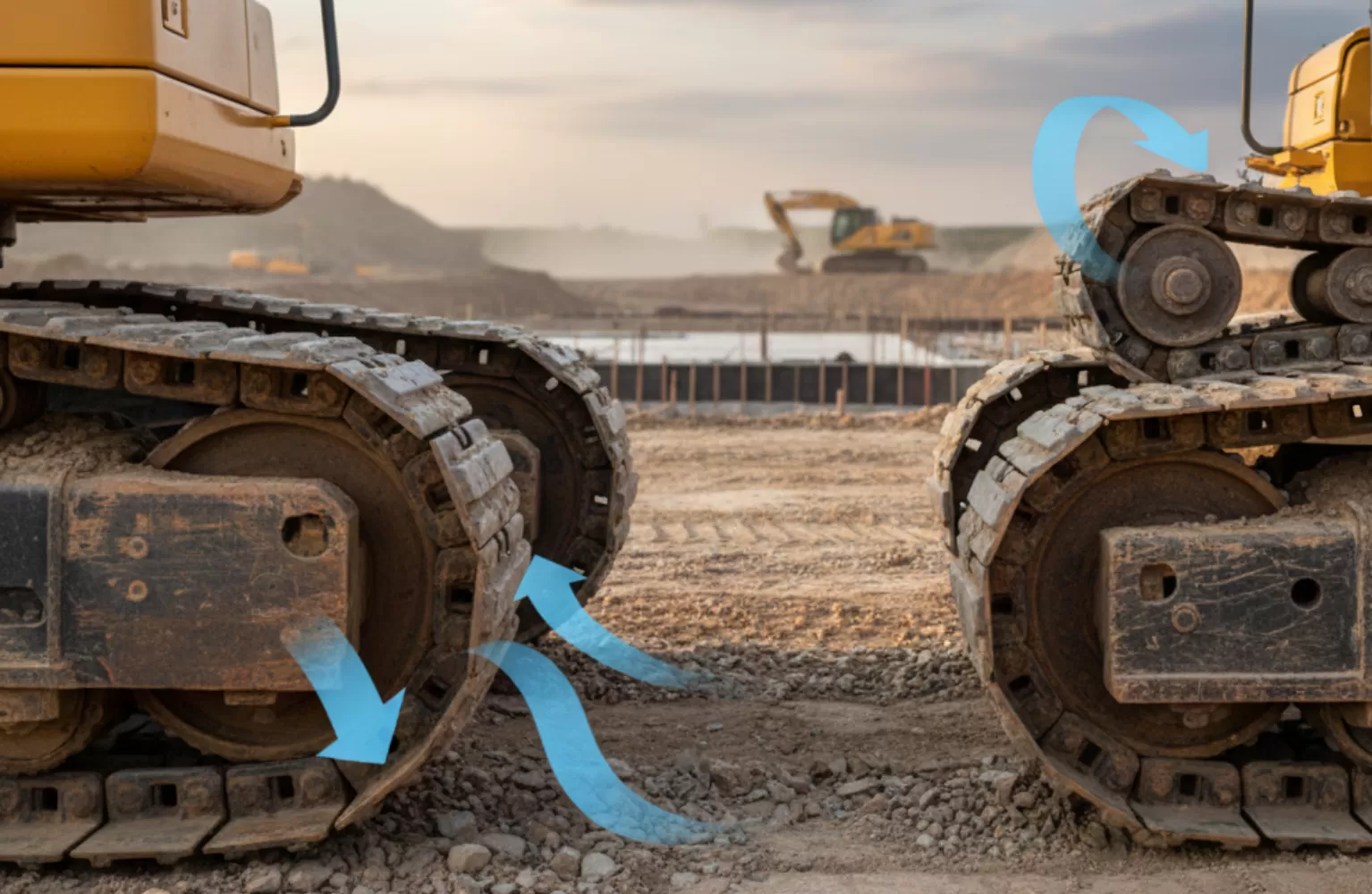
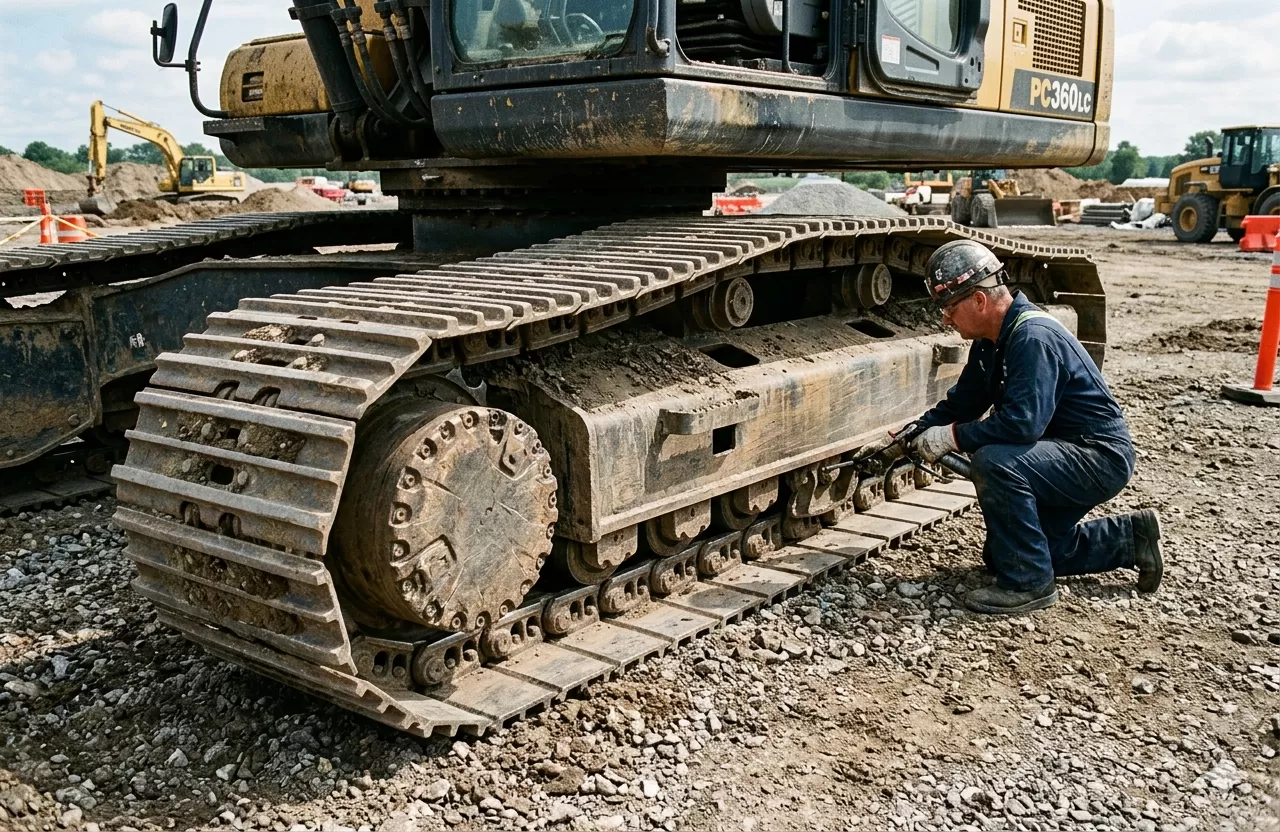
The undercarriage is one of the hardest-working systems in tracked machines. Within it, rollers play a critical role in supporting weight, guiding tracks, and ensuring smooth movement across job sites. Understanding the difference between bottom rollers and carrier rollers helps operators and maintenance teams manage track rollers heavy equipment more effectively and prevent premature wear.
This article breaks down the bottom roller vs carrier roller comparison, explains how each supports track load distribution, and outlines when excavator roller replacement becomes necessary.
What Are Track Rollers in Heavy Equipment?
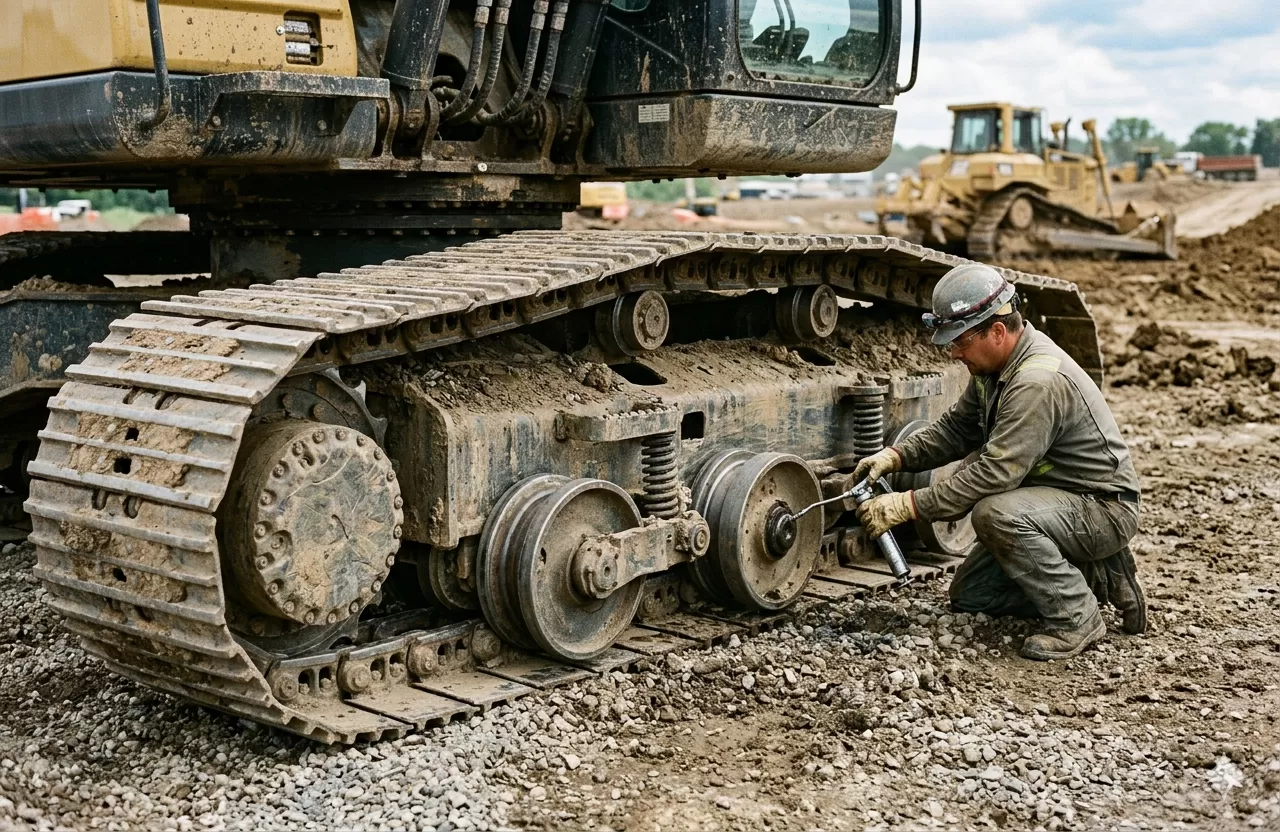
Track rollers are components mounted along the undercarriage frame that guide and support the machine’s tracks. Their primary function is to distribute weight evenly while maintaining proper track alignment.
In tracked machines, there are two main types:
- Bottom rollers (also called lower rollers)
- Carrier rollers (also called top rollers)
Each serves a unique role in reducing friction and managing undercarriage roller wear.
Bottom Rollers: Bearing the Machine’s Weight
Bottom rollers sit beneath the track frame and directly support the full operating weight of the machine. They absorb ground impact and help distribute loads evenly across the track chain.
Key Functions of Bottom Rollers
- Support machine weight during operation
- Guide the track along the undercarriage
- Reduce stress on track links and shoes
Because they carry constant loads, bottom rollers experience higher wear rates. Regular inspection is essential to identify early signs of undercarriage roller wear such as uneven surfaces, leaks, or excessive play.
Carrier Rollers: Managing Track Alignment
Carrier rollers are positioned on top of the track frame. Their role is to support the upper section of the track as it travels back toward the drive sprocket.
Key Functions of Carrier Rollers
- Maintain proper track alignment
- Prevent track sag
- Reduce vibration during movement
While carrier rollers do not carry the machine’s full weight, failure can cause poor track alingment, leading to accelerated wear across other undercarriage components.
Bottom Roller vs Carrier Roller: Load Distribution Explained
When comparing bottom roller vs carrier roller performance, the difference lies in load distribution:
- Bottom rollers handle vertical loads and ground impact
- Carrier rollers control track positioning and balance
Together, they ensure smooth travel and reduce stress on the entire undercarriage system. Neglecting either component increases the risk of uneven wear and unexpected downtime.
Signs of Undercarriage Roller Wear
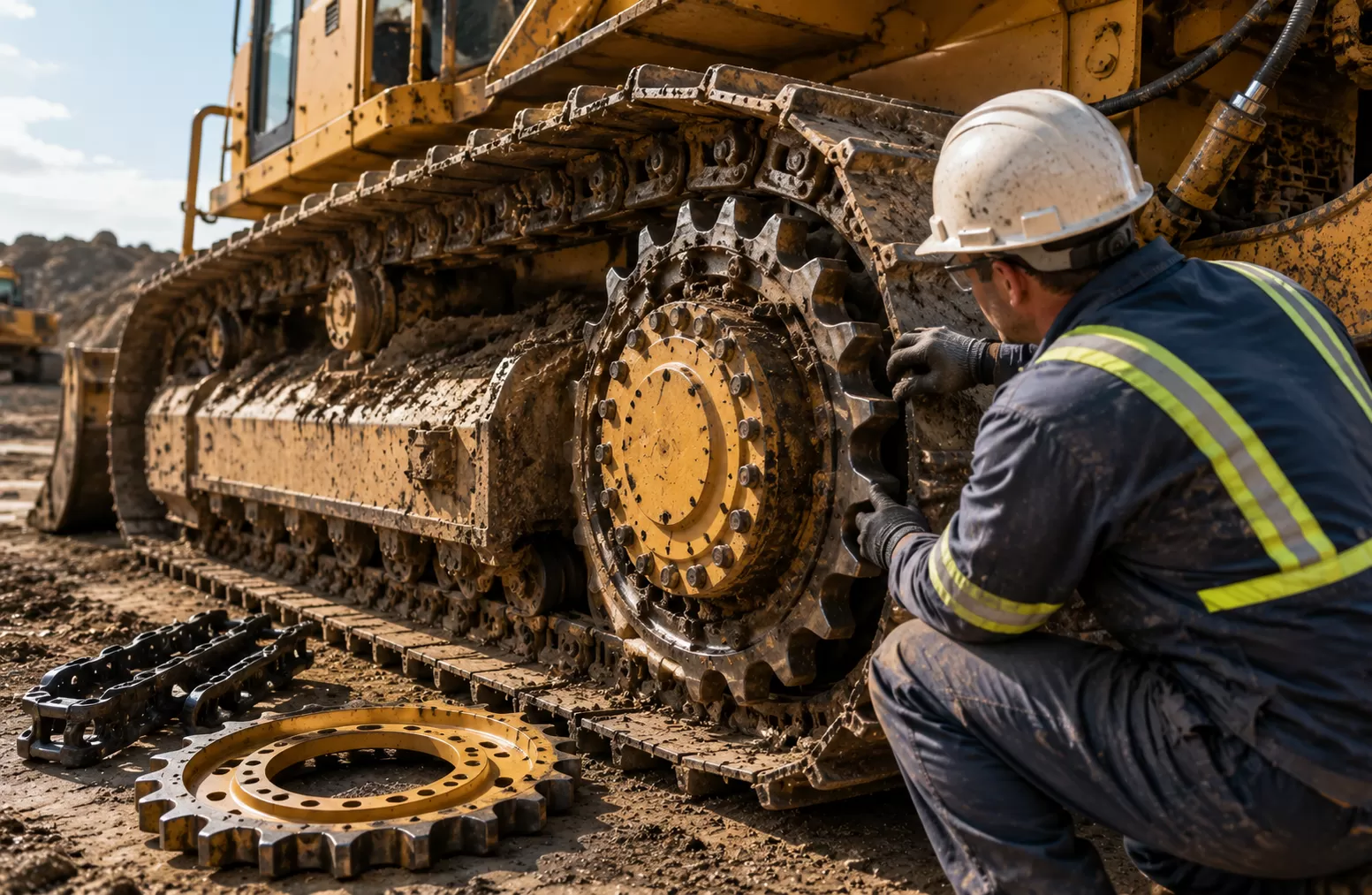
Knowing when excavator roller replacement is needed helps avoid costly damage. Common indicators include:
- Flat spots or uneven wear on rollers
- Oil leakage around seals
- Excessive vibration or noise
- Track misalignment or sag
Addressing these issues early improves performance and extends undercarriage life.
Choosing the Right Replacement Rollers
When replacement is required, it’s important to select parts designed for durability and proper fit. When replacing, choose genuine or high-quality aftermarket parts that meet or exceed OEM specifications. This ensures reliable performance while maintaining proper load distribution and alignment.
Premium aftermarket rollers are a practical option for maintaining track rollers heavy equipment without compromising reliability or service life.

About the Author