Worldwide Shipping

Understanding Main Bearing Failure and Preventive Maintenance Tips

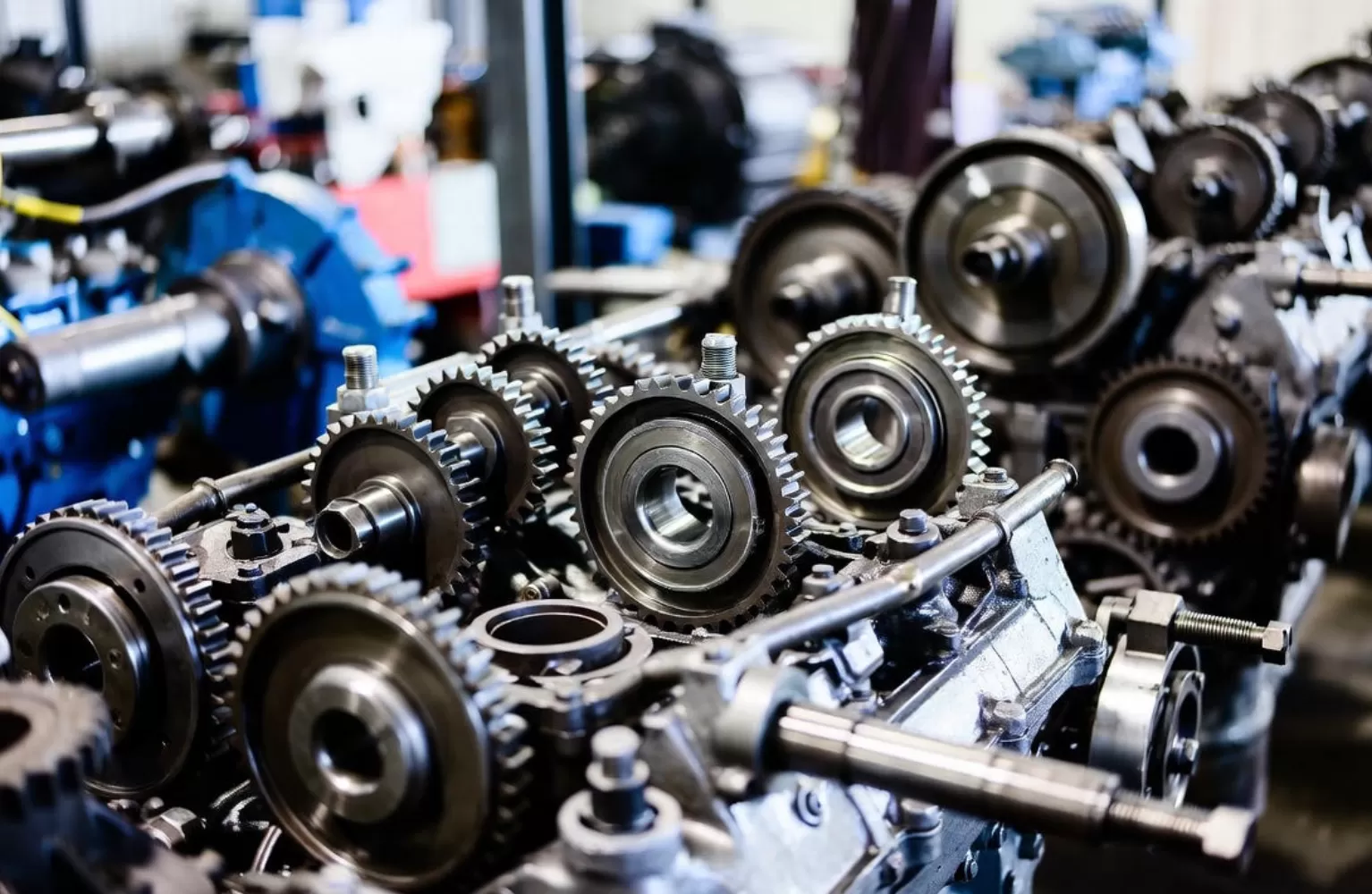
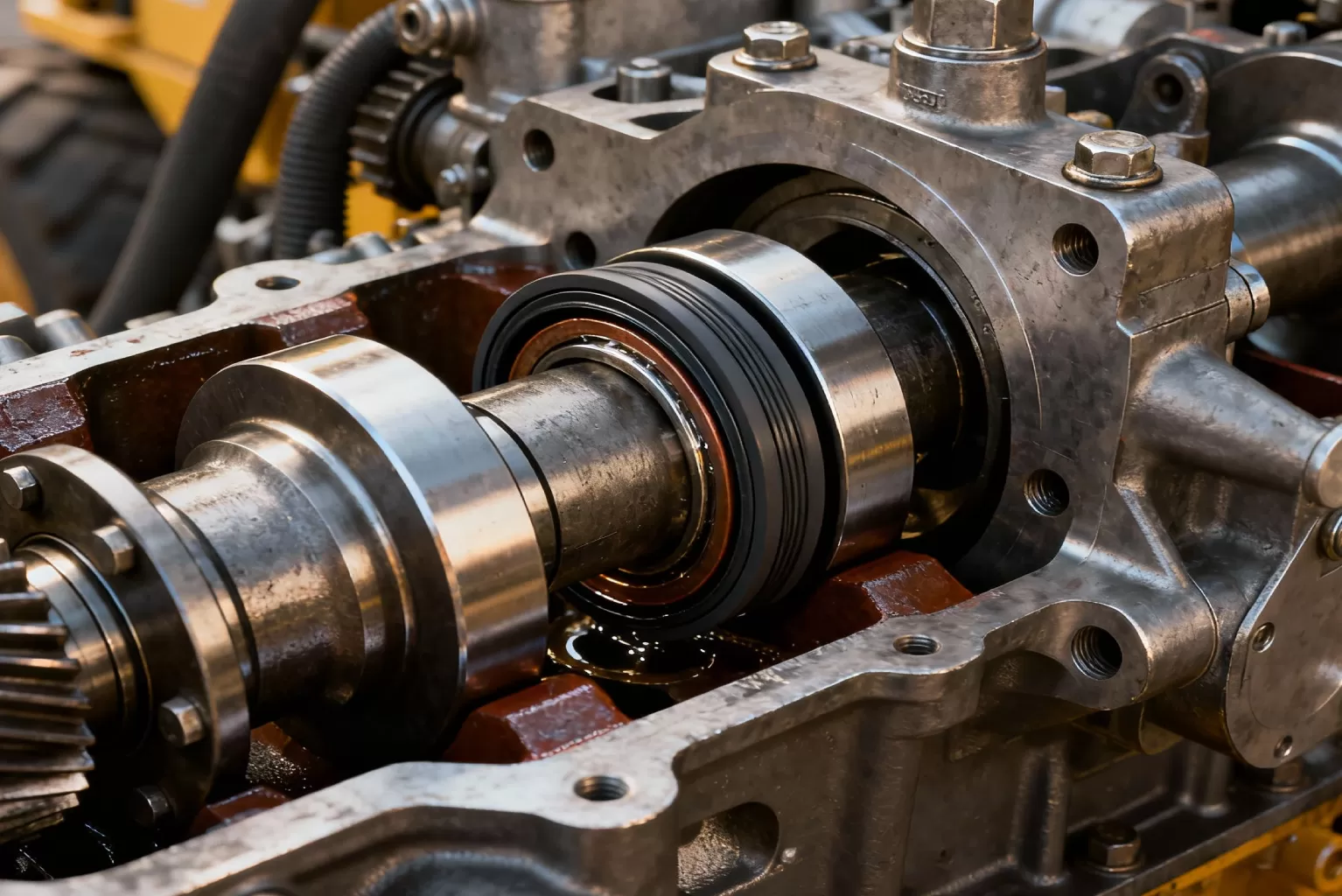
Engine main bearings play a critical role in supporting the crankshaft, reducing friction, and ensuring smooth rotation in diesel-powered heavy equipment. When these bearings begin to fail, the entire engine system can be affected, resulting in reduced performance, costly repairs, or complete breakdown. Understanding the root causes of failure and implementing proper maintenance can significantly extend engine life.
What Causes Engine Main Bearings Failure?
There are several factors that can contribute to premature failure of crankshaft bearings. The most common include:
Insufficient Lubrication
Main bearings rely on consistent lubrication to prevent metal-to-metal contact. Reduced oil pressure, contaminated oil, or irregular maintenance can accelerate diesel engine bearing wear.
Misalignment
If the crankshaft or connecting components are not properly aligned, uneven pressure is placed on the bearing surfaces, leading to accelerated failure.
Contamination
Dirt, metal particles, or coolant in the oil can damage the bearing surface. Even small contaminants can cause scoring and pitting over time.
Overloading
Heavy load conditions and extended high-RPM operation increase stress and heat, which may cause surface fatigue or bearing deformation.
Signs of Crankshaft Bearing Problems
Early detection can prevent major engine damage. Common warning signs include:
- Lower-than-normal oil pressure
- Metallic knocking noises during operation
- Vibration or reduced performance
- Metal particles found during oil analysis
- Overheating around the crankshaft area
If these symptoms appear, it may be necessary to inspect the bearings and surrounding components before continued use.
Preventive Maintenance Tips
Preventing diesel engine bearing wear requires a combination of proper maintenance and careful monitoring. Here are some best practices:
- Maintain clean and correctly rated engine oil
- Replace filters at recommended intervals
- Monitor oil pressure and engine temperature
- Address knocking or vibration immediately
- Inspect crankshaft and bearing fitment during rebuilds
- Avoid extended overloading or high-RPM operation
When replacing bearings or related components, many operators choose genuine or high-quality aftermarket parts that meet or exceed OEM specifications. This helps ensure proper material strength, fitment accuracy, and long-term performance.
Main bearings are essential to maintaining smooth and reliable engine performance. With proper lubrication, consistent monitoring, and high-quality replacement components, operators can significantly extend the life of their heavy equipment engines and avoid unexpected downtime.

About the Author