Worldwide Shipping

How to Identify the Correct Caterpillar V Belt for Your Machine

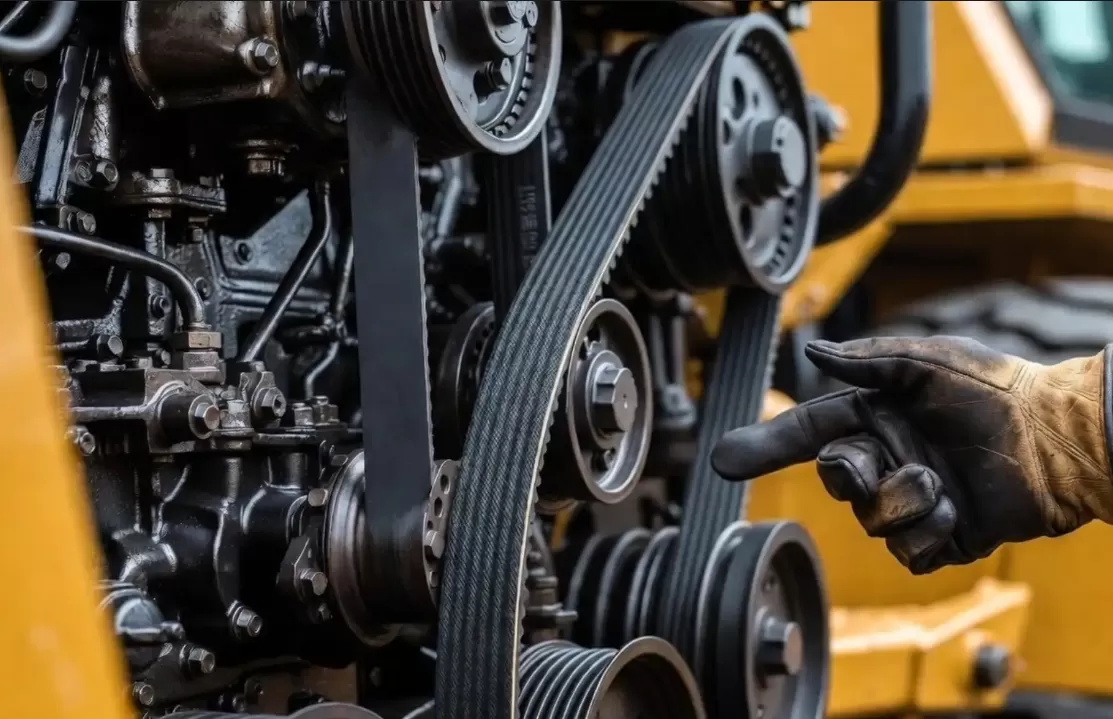
V Belts play a crucial role in keeping heavy equipment running smoothly. These belts transfer power from the engine to key systems such as alternators, cooling fans, and hydraulic pumps. When Engine Belts are incorrectly sized or worn, machines can lose efficiency, overheat, or shut down unexpectedly.
Identifying the correct Caterpillar V Belts for your machine is not just about replacing what looks similar. The right belt ensures proper tension, accurate power transfer, and long service life, especially in demanding work environments.
Why V Belts Matter in Heavy Equipment
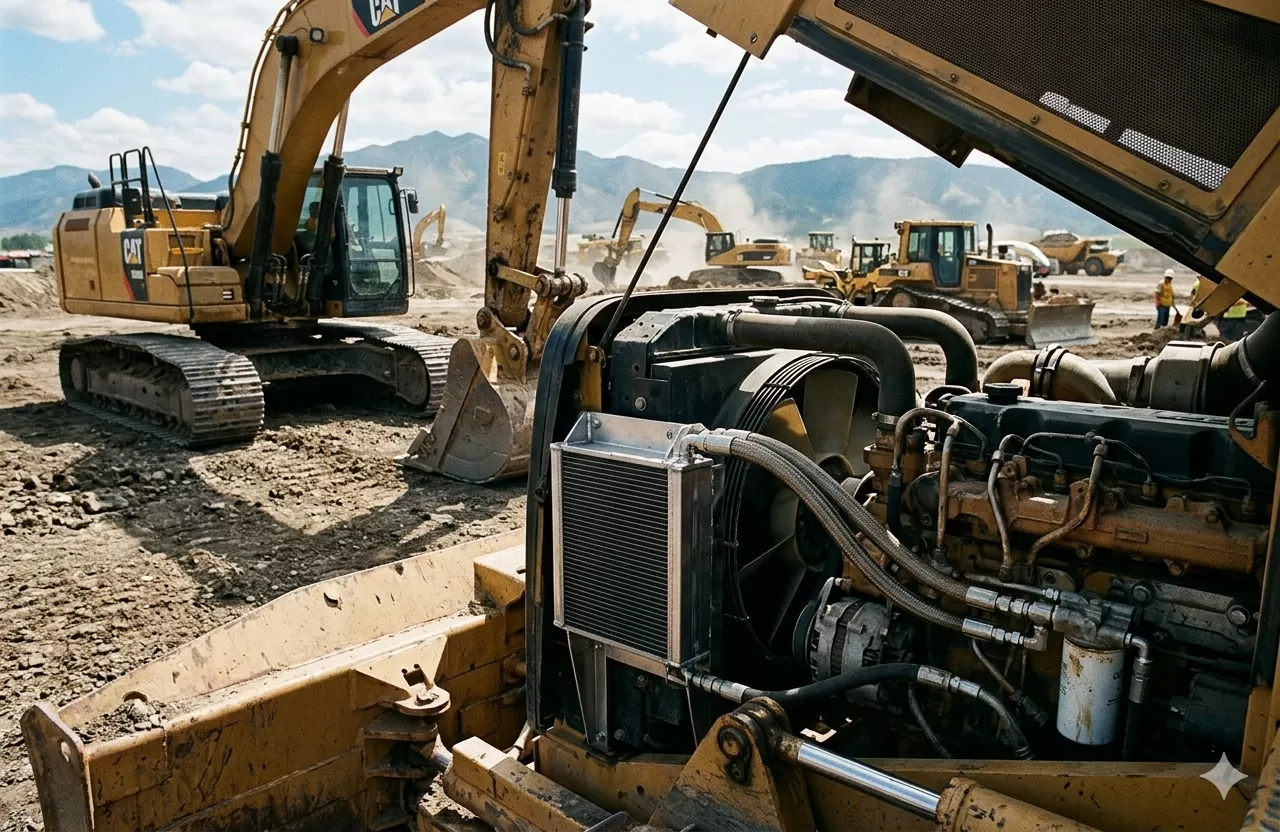
Unlike light-duty vehicles, heavy equipment operates under constant load and vibration. V Belts must withstand heat, friction, and extended run times. Their design allows them to grip pulleys tightly while maintaining flexibility, making them essential for engine-driven systems.
If the belt slips or stretches beyond its limits, engine belts can no longer maintain proper rotation speed. This can reduce cooling efficiency, drain battery systems, and strain connected components.
Key Factors for Identifying the Correct Belt
Choosing the correct belt requires more than matching length alone. Several technical factors must be considered to ensure compatibility and performance.
Belt width and profile determine how well the belt fits into the pulley groove. A belt that is too narrow can slip, while one that is too wide may sit incorrectly and wear faster. Length is also critical, as belts that are too short create excessive tension and those that are too long fail to grip properly.
Material construction matters as well. High-quality rubber compounds and reinforced cords help V Belts resist cracking, glazing, and stretching under load.
Checking the Existing Belt
The existing belt provides useful information when selecting a replacement. Look for part markings or measurements printed along the belt surface. These markings often indicate size and belt type. If markings are unreadable, measuring the belt’s width and length can help narrow down the correct option.
It is also important to inspect the belt for wear patterns. Uneven wear can indicate pulley misalignment or tension issues, which should be corrected before installing a new belt.
Understanding Engine Belt Types
Not all engine belts perform the same function. Some belts are designed for high-speed rotation, while others handle heavier torque loads. Certain systems may use multiple belts working together, which means each belt must match the same size and specification.
Using mismatched belts can cause uneven tension and reduce belt life. Consistency ensures stable performance across connected systems.
Replacement Best Practices
Replacing a belt should always involve checking pulley condition and alignment. Dirty or damaged pulleys can shorten the life of new V Belts. Proper tension is equally important. A belt that is too tight can stress bearings, while a loose belt may slip and overheat.
When replacing, choose genuine or high-quality aftermarket parts that meet or exceed OEM specifications. This approach ensures proper fit and reliable operation without limiting customers to only one type of replacement option. Premium aftermarket belts provide a dependable solution when selected carefully and installed correctly.
Preventing Future Belt Failures
Routine inspection helps catch belt wear before it becomes a breakdown. Cracks, glazing, and frayed edges are early warning signs. Regular maintenance also includes checking tension and keeping pulleys clean from oil or debris.
V Belts used in heavy equipment must perform consistently under harsh conditions. Protecting them through inspection and correct installation supports longer service life and smoother machine operation.
Why Proper Belt Selection Matters
Selecting the correct Caterpillar V belts ensures the machine operates at the designed speed and temperature. Proper belt fit reduces stress on rotating parts and supports steady power delivery. A single incorrect belt can affect multiple systems and lead to unnecessary downtime.
Understanding how to identify the right belt helps operators and maintenance teams make confident replacement decisions and maintain reliable performance across demanding job sites.

About the Author