Worldwide Shipping

How to Detect Early Signs of Engine Wear Before Major Failure

Engines are the heart of heavy equipment, and when they fail, the consequences can be costly. Most heavy equipment engine failure doesn’t happen overnight; it develops gradually through small warning signs that are often overlooked. Knowing what to watch for allows operators and fleet managers to act early, reduce downtime, and extend engine life.
By understanding early engine wear symptoms and following consistent preventive engine checks, you can address issues before they turn into major repairs.
Why Early Engine Wear Detection Matters
Catching engine wear early helps:
- Prevent unexpected breakdowns
- Reduce repair costs
- Improve fuel efficiency
- Extend overall equipment lifespan
Routine inspections combined with basic diesel engine diagnostics play a critical role in keeping machines reliable under demanding job site conditions.
Common Early Engine Wear Symptoms to Watch For
- Unusual Engine Noises
Knocking, ticking, or grinding sounds often indicate internal wear. These noises may point to worn bearings, valve train issues, or insufficient lubrication, all early indicators that should never be ignored.
- Excessive Exhaust Smoke
Changes in exhaust color can signal internal engine problems. Dark or bluish smoke may indicate oil consumption or incomplete combustion, both common early engine wear symptoms.
- Increased Oil Consumption
If your engine requires more frequent oil top-offs, internal components may be wearing faster than expected. Monitoring oil levels is one of the simplest preventive engine checks you can perform.
- Loss of Power or Poor Performance
A noticeable drop in engine power or responsiveness can indicate compression loss, injector issues, or airflow restrictions. Early diagnosis can prevent complete heavy equipment engine failure.
- Contaminated Engine Oil
Metal particles or sludge in engine oil are red flags. Regular oil analysis is a valuable diesel engine diagnostics tool that helps identify wear before visible damage occurs.
Preventive Engine Checks That Make a Difference
Inspect and Replace Filters Regularly
Clogged air, fuel, or oil filters restrict flow and accelerate engine wear. When replacing, choose genuine or high-quality aftermarket parts that meet or exceed OEM specifications to ensure consistent performance.
Monitor Operating Temperatures
Overheating accelerates internal wear. Regularly check cooling systems, hoses, and coolant levels as part of preventive engine checks.
Follow Scheduled Maintenance Intervals
Routine servicing isn’t just a recommendation it’s essential. Skipping maintenance often leads to undetected issues that result in heavy equipment engine failure.
Using Diesel Engine Diagnostics Effectively
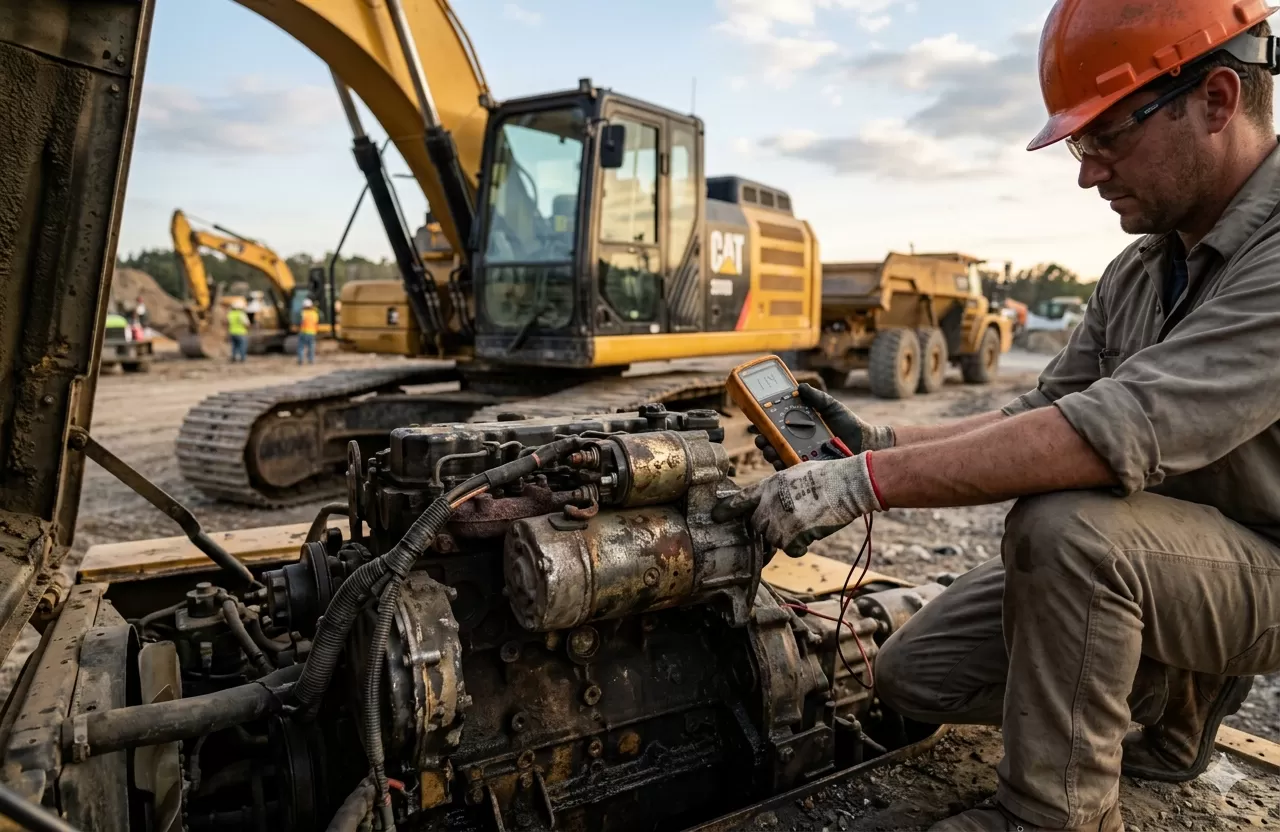
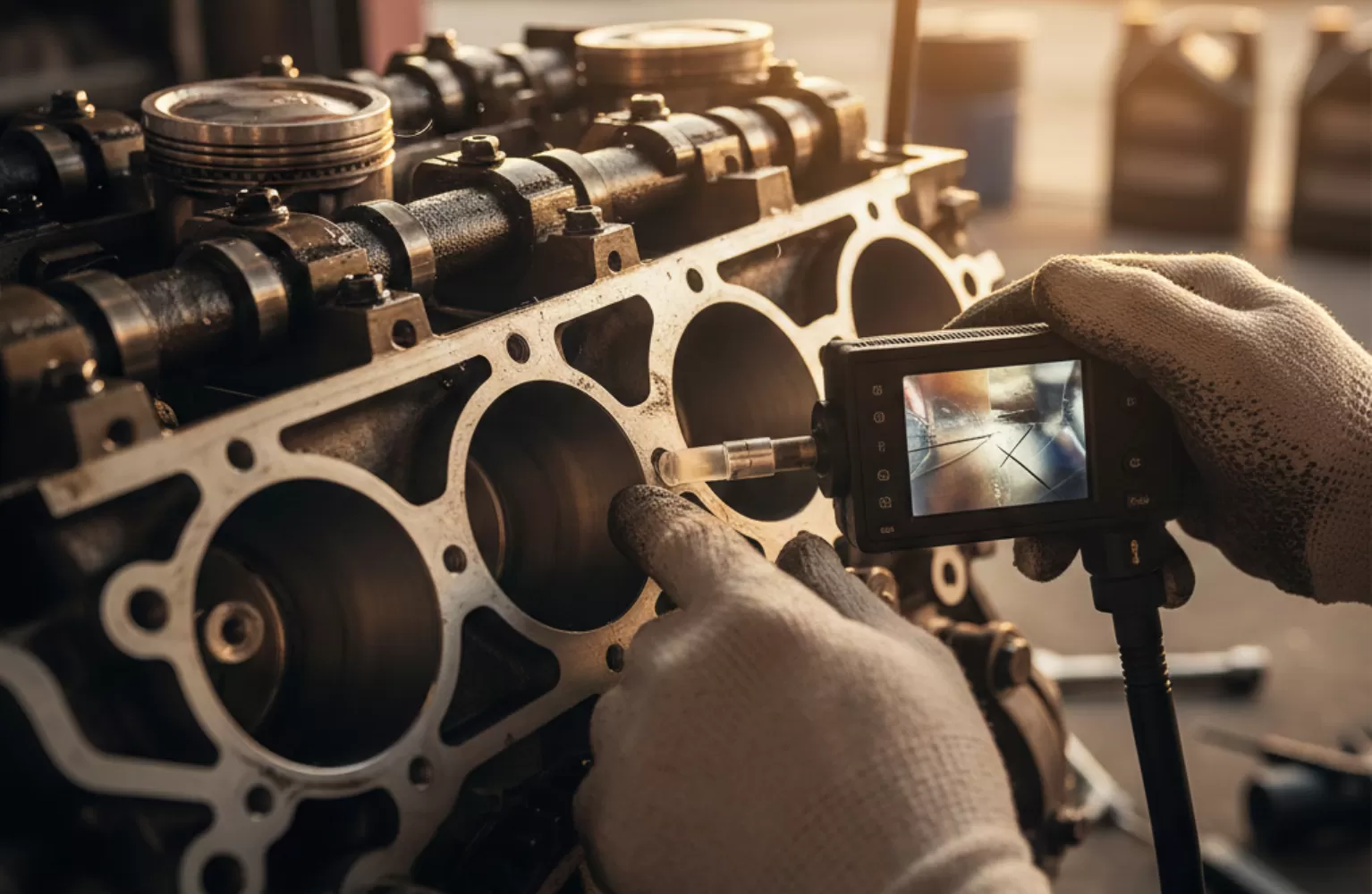
Modern diagnostics tools help identify problems long before a breakdown occurs. Tracking fault codes, monitoring sensor data, and reviewing performance trends allow technicians to pinpoint early engine wear symptoms with accuracy.
Combining diagnostics with visual inspections and quality replacement parts creates a proactive maintenance strategy rather than a reactive one.

About the Author