Worldwide Shipping

Cracked Rims and Worn Wheels: Safety Risks You Shouldn’t Ignore

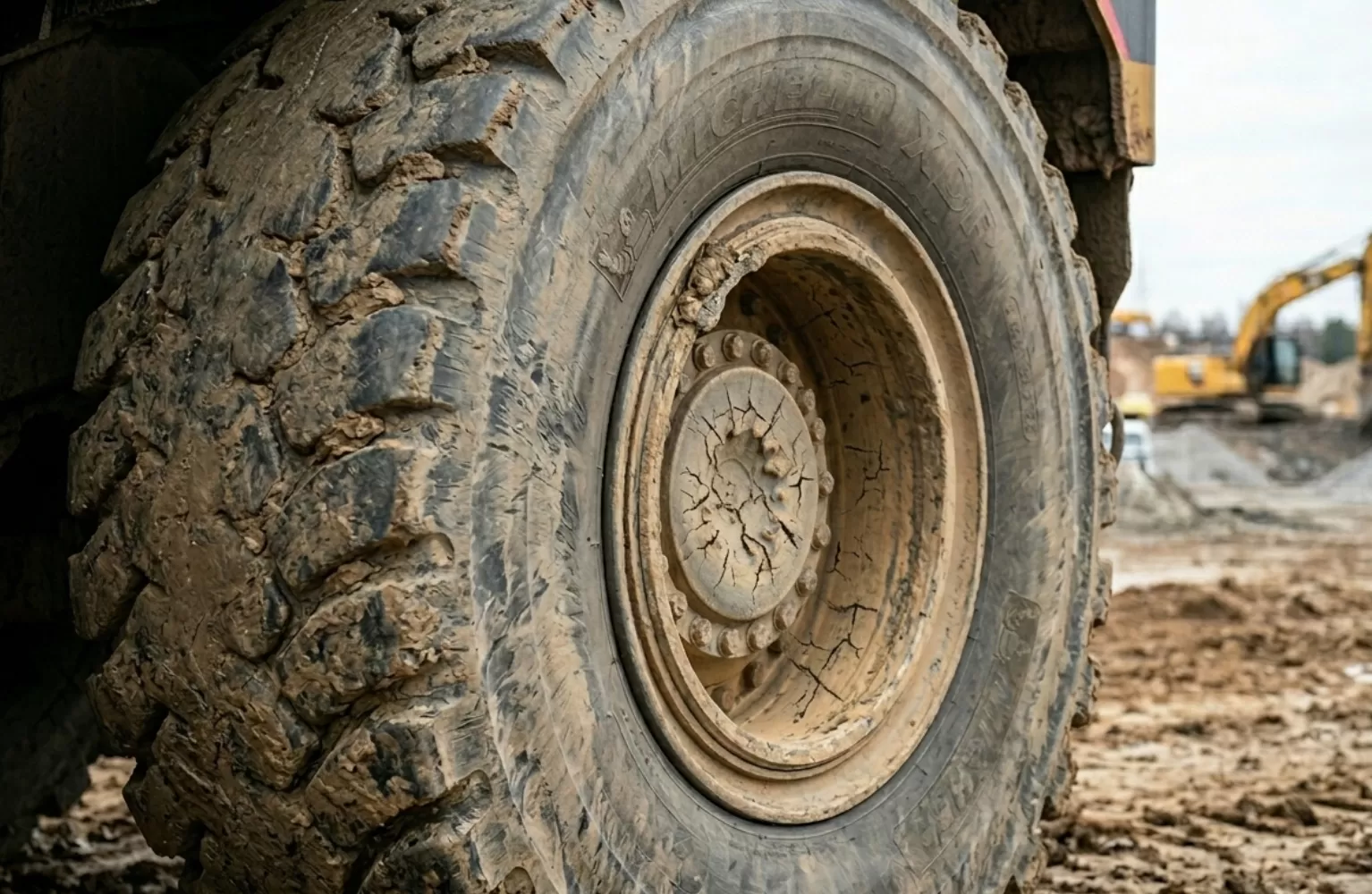
Heavy equipment works in demanding conditions, rough terrain, heavy loads, and long operating hours. Over time, these factors take a toll on heavy equipment rims and wheels. What may start as a small crack or uneven wear can quickly turn into a serious safety hazard if ignored.
Whether you manage loaders, graders, or other off-road machines, understanding wheel rim damage and knowing when to act can protect operators, reduce downtime, and prevent costly repairs.
Why Rim and Wheel Condition Matters
Rims and wheels are critical load-bearing components. They support the machine’s weight, maintain tire integrity, and ensure stability during operation. When compromised, they affect far more than ride comfort.
Common consequences of neglected rim or wheel issues include:
- Sudden tire failure under load
- Reduced machine stability on uneven ground
- Increased stress on axles and suspension components
- Safety risks for operators and nearby workers
For equipment used daily, especially in construction, mining, or material handling, worn wheels are not something to postpone.
Common Causes of Wheel Rim Damage
Understanding how damage occurs helps prevent repeat issues after replacement.
- Impact and Shock Loads
Operating on rocky or uneven terrain can cause repeated impacts. Over time, this leads to cracks, bends, or fractures in off-road equipment wheels.
- Overloading
Consistently operating beyond rated capacity puts excess stress on rims, accelerating fatigue and structural failure.
- Corrosion and Environmental Exposure
Moisture, chemicals, and debris can weaken metal surfaces, especially when protective coatings wear away.
- Improper Tire Installation
Incorrect mounting or mismatched components can create uneven pressure points that damage rims prematurely.
Warning Signs You Shouldn’t Overlook
Spotting problems early can prevent complete failure. Watch for:
- Visible cracks or hairline fractures
- Bent or misshapen rims
- Persistent air pressure loss
- Uneven tire wear patterns
- Vibrations during operation
If any of these signs appear, it’s time to inspect the wheel assembly and consider loader wheels replacement before the issue escalates.
Safety Risks of Delaying Replacement
Running equipment with compromised rims increases the risk of sudden breakdowns. A cracked rim can fail without warning, especially under heavy loads or at operating temperature extremes. This not only damages nearby components but also puts operators at risk.
Planned replacement is always safer and more cost-effective than emergency repairs in the middle of a job site.
Choosing the Right Replacement Wheels and Rims
When replacing worn or damaged components, quality and compatibility are essential. Always select parts designed for your machine’s specifications, load ratings, and operating conditions.
When replacing, choose genuine or high-quality aftermarket parts that meet or exceed OEM specifications. Premium aftermarket options are engineered to deliver reliable performance and durability, making them a practical and dependable solution for many operations.
Ensuring proper fitment and correct installation is just as important as the part itself for long-term performance.
Proactive Maintenance Saves Time and Money
Regular inspections and timely replacement of heavy equipment rims and wheels help:
- Extend tire life
- Reduce strain on driveline components
- Improve operator confidence and safety
- Minimize unplanned downtime
In demanding environments, proactive maintenance isn’t optional it’s essential.

About the Author